Climate Warning: The Potential Collapse of the Atlantic Meridional Overturning Circulation (AMOC)

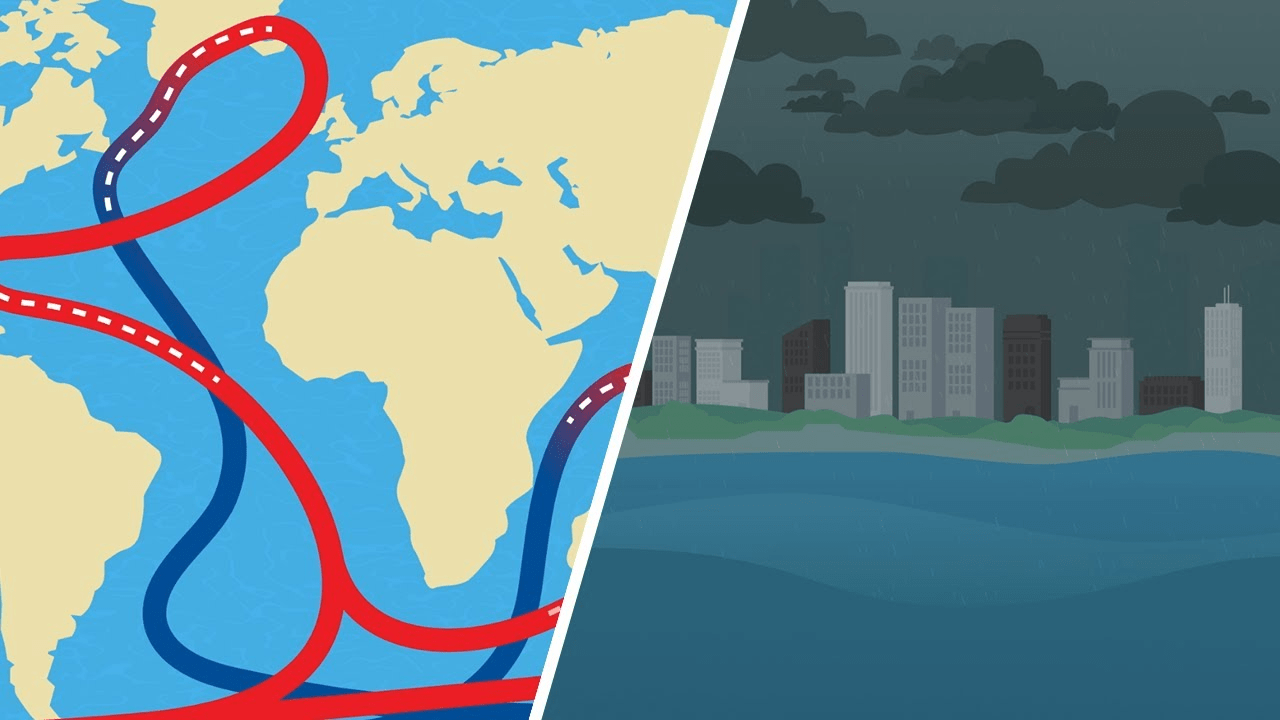
Climate scientists are warning Nordic ministers about the potential collapse of the Atlantic Meridional Overturning Circulation (AMOC), a major ocean current crucial for regulating global weather patterns. A collapse could lead to severe consequences, including colder winters in the Northern Hemisphere, rising sea levels, and shifts in precipitation patterns. To prevent this, immediate action is essential, including reducing greenhouse gas emissions, investing in climate adaptation, and fostering international cooperation.
Billionaires and Their Carbon Budgets: Unpacking Oxfam’s Alarming Report

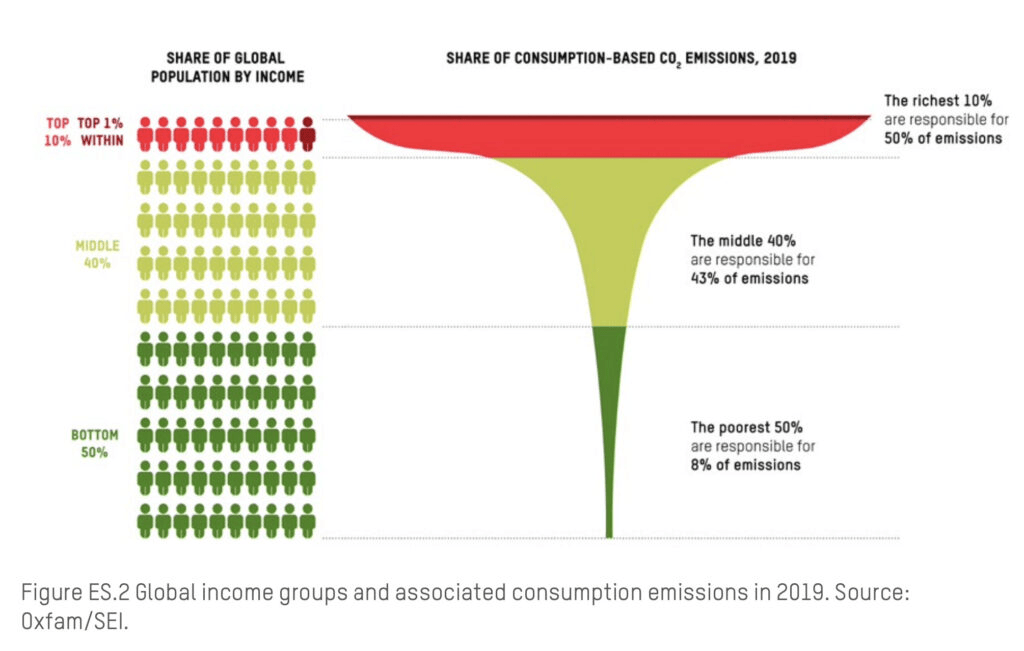
Solutions like carbon taxes on luxury emissions, a climate wealth tax, and incentives for green investments could help redirect the ultra-wealthy towards more sustainable practices and investments, fostering accountability and lowering high emissions associated with billionaire lifestyles.

With Coastal Development Regulations Gone, Nova Scotia’s Communities Must Face Rising Seas on Their Own Terms

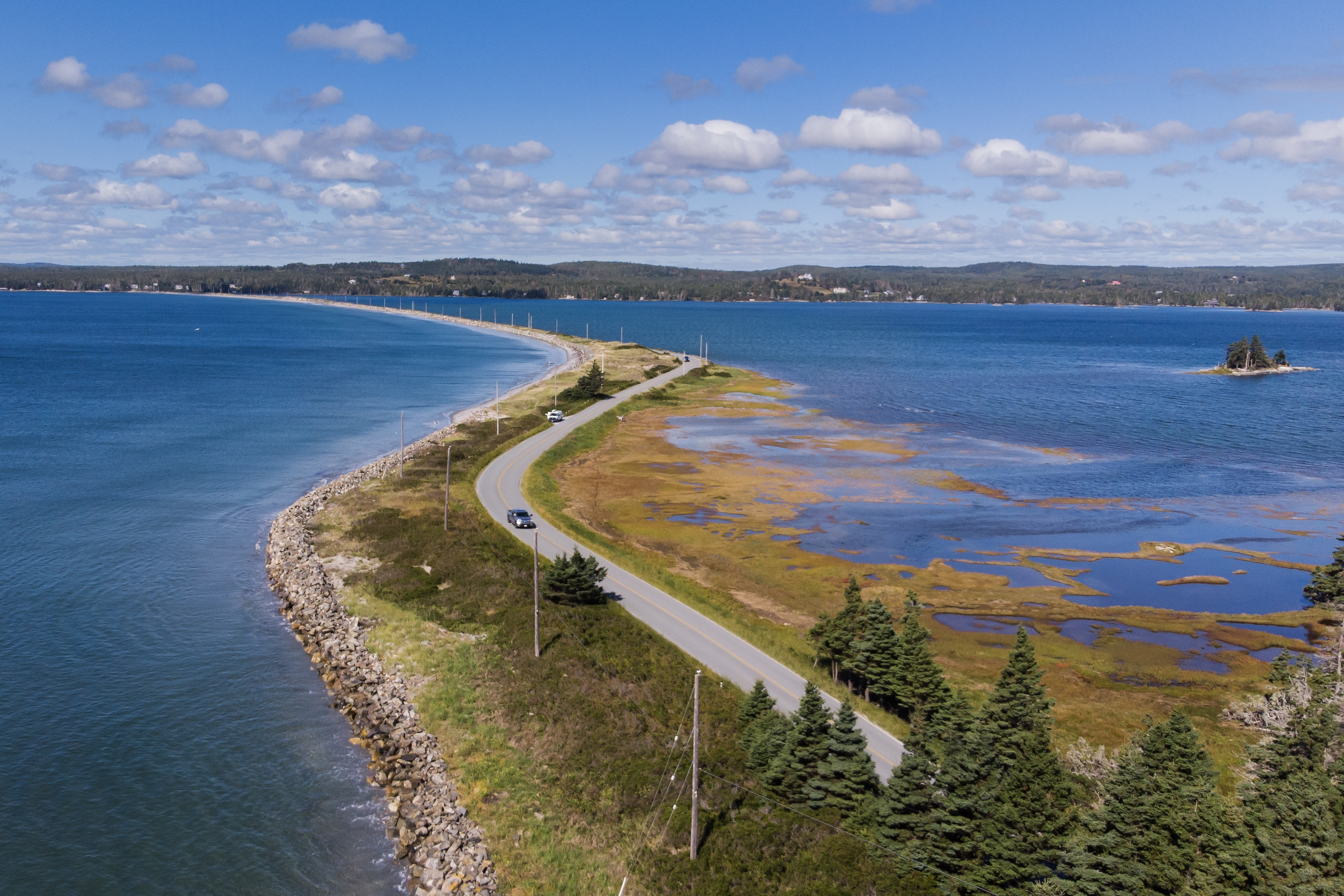
The recent easing of coastal development regulations in Nova Scotia has left local communities to navigate the challenges posed by rising sea levels. Without strict oversight, the responsibility for managing climate-related risks has shifted to homeowners and municipalities. As they face increased vulnerability, environmental degradation, and economic consequences, Nova Scotia’s communities must choose wisely how to approach development and consider strategies for resilience.

Sahara’s Stunning Transformation: Desert Sands Fill with Water

Recent satellite observations show a remarkable transformation in the Sahara Desert, with lakes like Sebkha el Melah in Algeria experiencing rare refilling events. This phenomenon offers insights into the region’s historical climate, highlighting the Sahara’s past as a greener landscape. Following heavy rainfall in September 2024, Sebkha el Melah was partially filled, covering 191 square kilometers to a depth of 2.2 meters. Researchers are exploring the implications of these events for understanding climate change and the Sahara’s future.

NASA: Parts of Spain Will Be Uninhabitable in 30 Years

NASA has warned that by 2050, parts of Spain could become uninhabitable due to climate change, with rising temperatures making life unsustainable. Regions like Madrid, Valencia, and Andalucía are at particular risk as extreme heat events become more frequent. Without urgent action, vulnerable populations could face dire consequences, highlighting the need for effective adaptation strategies and community engagement to address these challenges.

Reducing Sustainability and Waste Impacts Through Carbon Emissions by Country

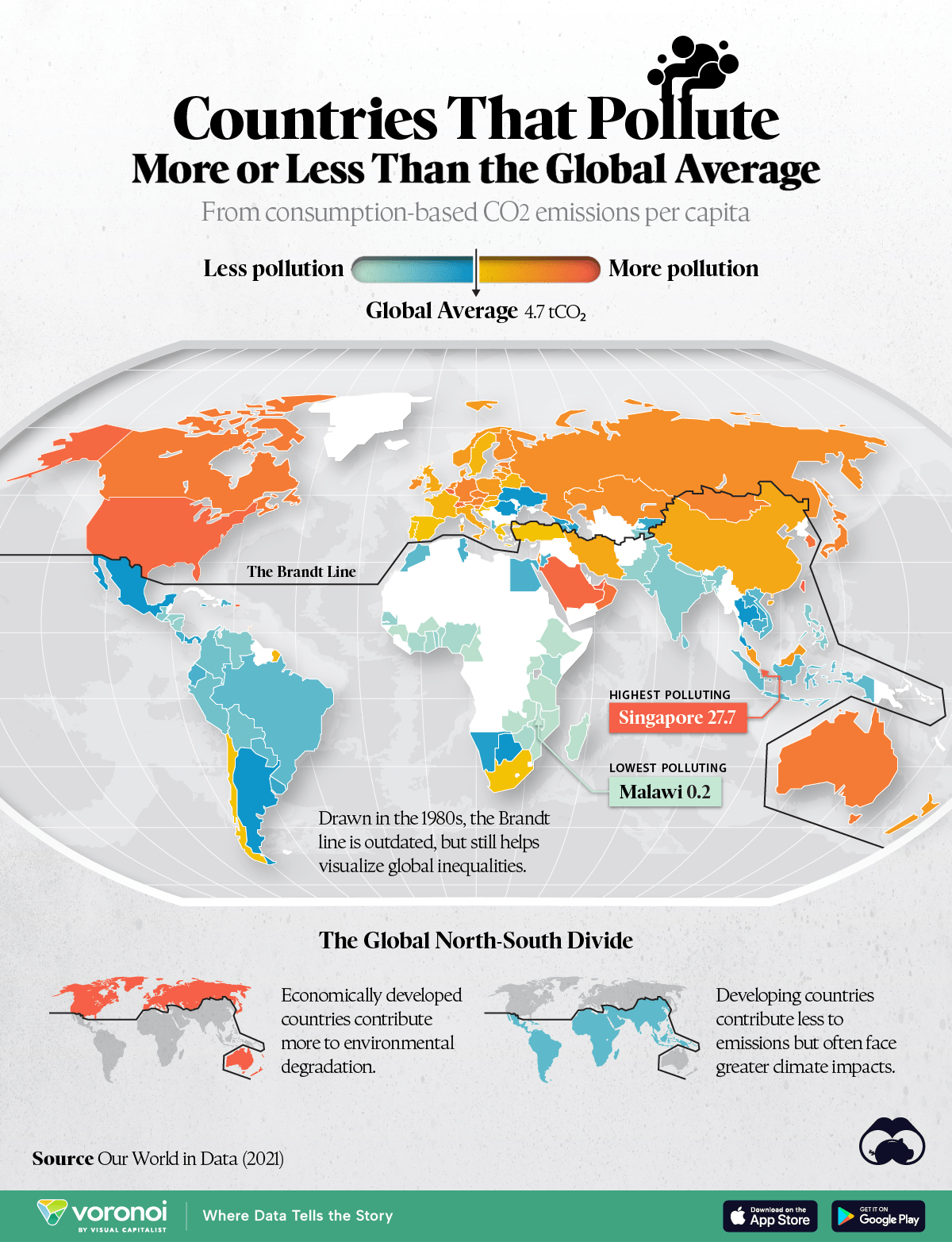
This article delves into the disparities between countries in consumption-based carbon emissions per capita and explores the solutions various nations can implement to reduce their sustainability and waste impact. From solar energy projects in Qatar and Singapore to circular economies in the U.S. and conservation efforts in Brunei, countries across the globe are taking unique paths to address their environmental footprints.

Free Worldwide shipping

On orders dispatched and delivered within the same country.

Easy 30 days returns

30 days money back guarantee

International Warranty

Offered in the country of usage

100% Secure Checkout

PayPal / MasterCard / Visa