Alert: The Weakening of the Atlantic Ocean Current Could Threaten the Amazon Rainforest

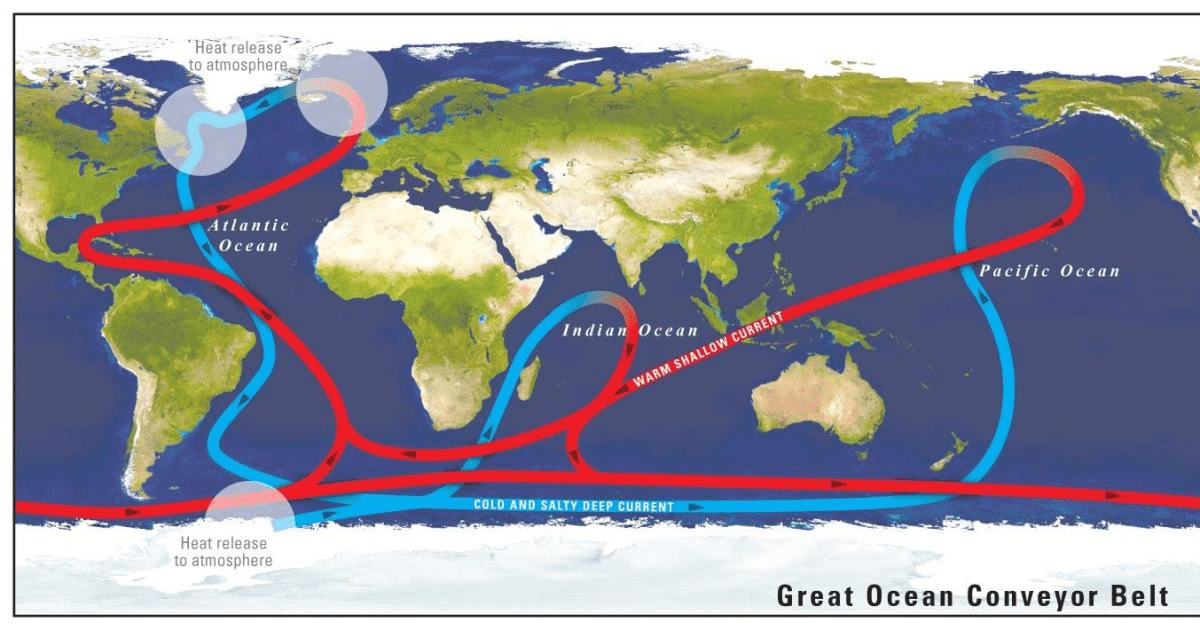
The weakening of the Atlantic Meridional Overturning Circulation (AMOC) could have profound effects on the Amazon rainforest’s precipitation patterns, potentially leading to drier conditions in the north and heavier rains in the south. This imbalance, intensified by deforestation, threatens to alter the Amazon’s ecosystem, with parts of the rainforest at risk of becoming savanna-like regions. Addressing both deforestation and global warming is critical to preserving the Amazon’s resilience in the face of these climatic shifts.

Chonkus: A Carbon-Hungry Microbe Revolutionizing Carbon Capture

Chonkus, a microbe found near hydrothermal vents, has shown promise for industrial carbon capture due to its unique ability to absorb and store CO₂ in carbon-rich environments. Living in extreme conditions, Chonkus captures carbon, which sinks to the ocean floor after the organism’s life cycle ends, offering a natural form of long-term sequestration. The microbe’s rapid growth and carbon sink potential suggest it could be a powerful ally in reducing atmospheric carbon. However, scientists are evaluating the environmental impact of large-scale use to ensure ecosystem safety.

Megabasins: A Band-Aid or a Long-Term Solution for Climate Change?

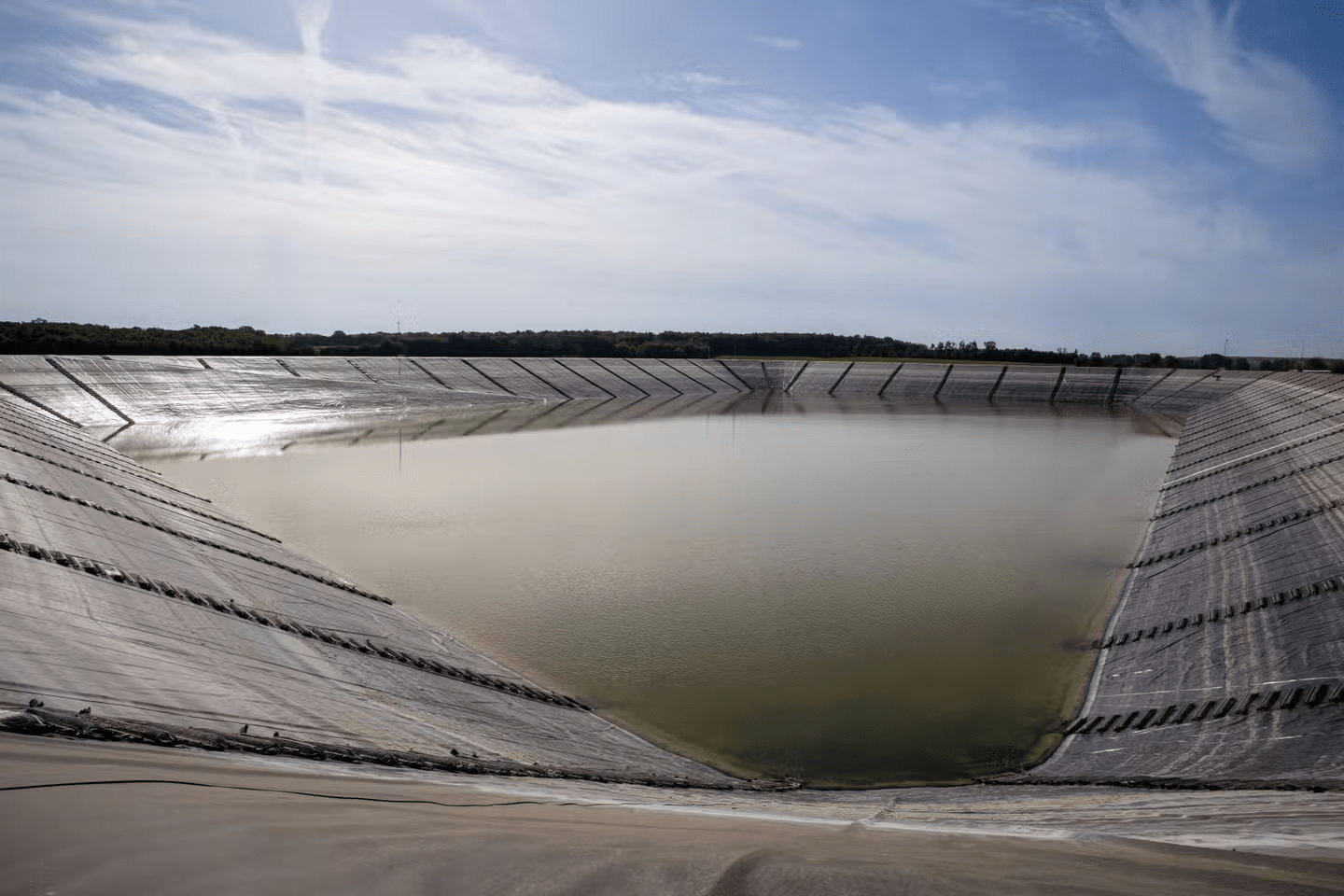
The increasing strain on global water resources, largely driven by climate change and rising agricultural demands, has led to the exploration of megabasins—massive artificial reservoirs designed to store water for use during droughts. While proponents see megabasins as a strategic buffer for water security, their environmental and social costs are undeniable. The disruption of natural water cycles, potential community displacement, and habitat loss are just some of the concerns. Balancing these challenges, alternative solutions like water conservation, recycling, and integrated water management may offer more sustainable, long-term paths forward.

Reducing Meat Consumption: A Practical Step Toward Climate Sustainability

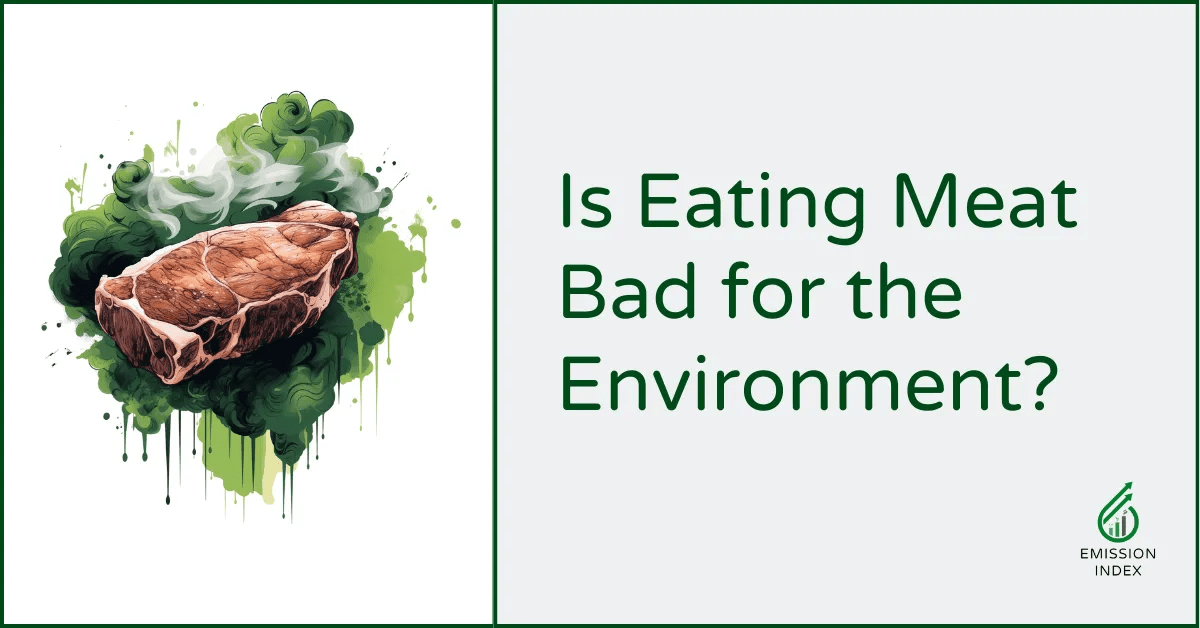
As the impact of climate change becomes increasingly urgent, even small reductions in meat consumption can contribute significantly to climate goals. By moderating meat intake, especially of high-impact foods like beef, individuals can lower greenhouse gas emissions, conserve vital forest ecosystems, and help stabilize food security globally. Rather than advocating for complete vegetarianism, this approach encourages gradual, realistic shifts in dietary habits that collectively foster a healthier planet.

Lake Geneva’s Unexpected CO2 Emissions: Unraveling the Mystery

Recent scientific investigations have revealed a surprising factor contributing to the carbon dioxide (CO2) emissions from Lake Geneva: rock weathering. Contrary to longstanding beliefs that organic material decomposition was the primary source of these emissions, researchers have discovered that the lake receives minimal organic matter. This shift in understanding has significant implications for the broader study of carbon cycling in freshwater systems.

Climate Warning: The Potential Collapse of the Atlantic Meridional Overturning Circulation (AMOC)

Climate scientists are warning Nordic ministers about the potential collapse of the Atlantic Meridional Overturning Circulation (AMOC), a major ocean current crucial for regulating global weather patterns. A collapse could lead to severe consequences, including colder winters in the Northern Hemisphere, rising sea levels, and shifts in precipitation patterns. To prevent this, immediate action is essential, including reducing greenhouse gas emissions, investing in climate adaptation, and fostering international cooperation.

Free Worldwide shipping

On orders dispatched and delivered within the same country.

Easy 30 days returns

30 days money back guarantee

International Warranty

Offered in the country of usage

100% Secure Checkout

PayPal / MasterCard / Visa