
If you read the tourism brochures, Paphos is an untouched Mediterranean Eden: wild gorges, ancient cedar forests, and quiet coves where endangered sea turtles haul themselves onto golden sand. If you read the environmental audit reports, court referrals, and coastal pollution logs, a sharper, more complicated picture emerges.
Western Cyprus genuinely holds some of the eastern Mediterranean’s richest ecological treasures. Yet it is also a textbook case of how rapid real-estate expansion, mass tourism, and weak enforcement collide with fragile island ecosystems. An honest look at Paphos’s environment requires holding both truths at once.
What Makes Paphos Ecologically Exceptional
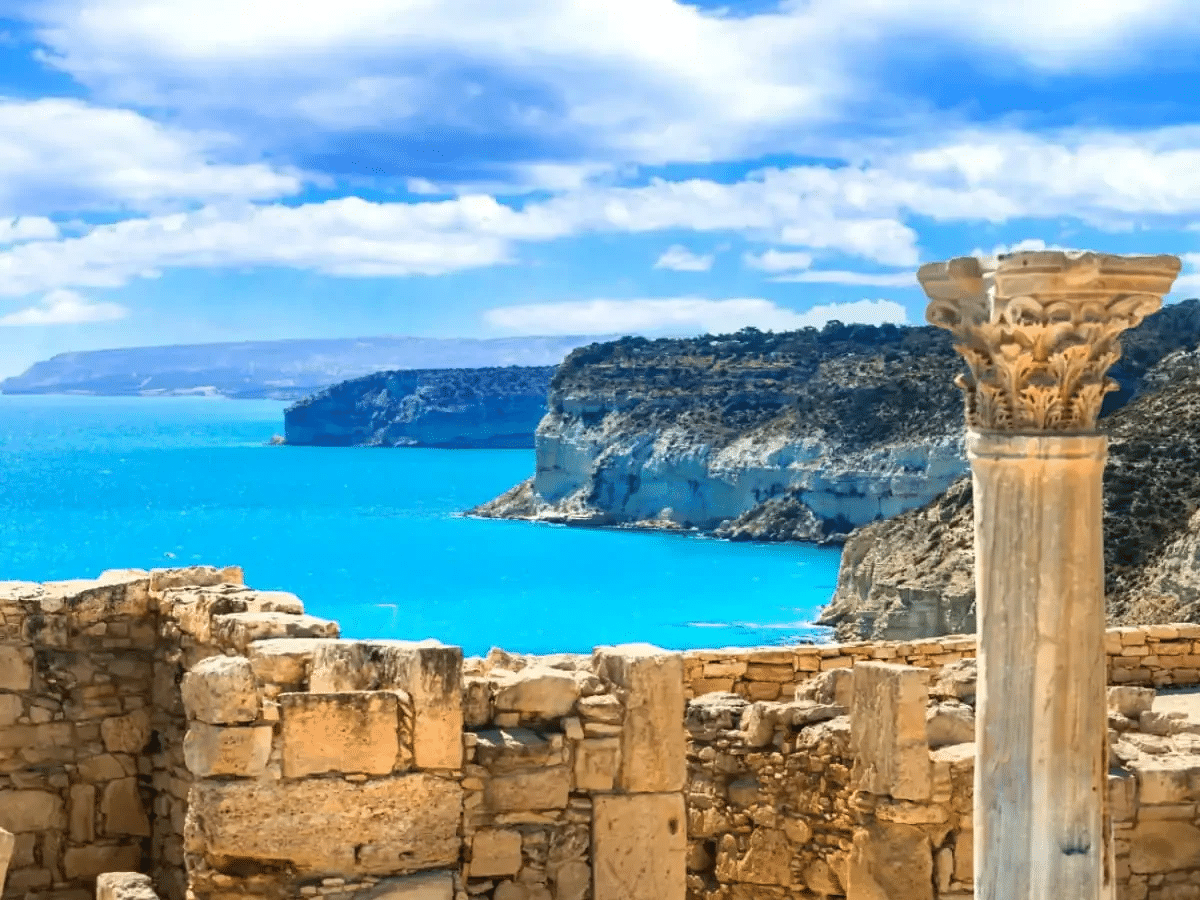
Before looking at what is going wrong, it is worth understanding what is actually at stake. Because Cyprus is an isolated island at the crossroads of Europe, Asia, and Africa, the Paphos district packs extraordinary biodiversity into a relatively small footprint:
- The Akamas Peninsula: Located at the northwestern tip of Paphos, Akamas is one of the last large, unbuilt coastal stretches in the eastern Mediterranean. Its limestone gorges (such as Avakas), maquis shrubland, and coastal cliffs harbor hundreds of plant species—dozens of them endemic to Cyprus—and sit along a major migratory flyway for birds crossing between continents.
- Lara and Toxeftra Turtle Sanctuaries: Since the late 1970s, Cyprus’s pioneering turtle conservation program on the Akamas coast has protected critical nesting beaches for both the loggerhead turtle (Caretta caretta) and the far rarer Mediterranean green turtle (Chelonia mydas). Wire cages over nests and seasonal access rules have kept these beaches viable even as surrounding coastlines urbanized.
- The Paphos Forest and Cedar Valley: Inland in the Troodos foothills, the Paphos State Forest protects the endemic Cyprus cedar (Cedrus brevifolia), a tree found nowhere else on Earth, alongside the Cyprus mouflon (Ovis gmelini ophion), a wild mountain sheep brought back from the brink of extinction in the twentieth century.
Where the Ecological Reality Gets Uncomfortable
Behind the postcard imagery, Paphos faces severe, well-documented environmental pressures—many driven by local policy choices and others by regional Mediterranean dynamics.
1. The Akamas Road Controversy and Governance Failures
The sharpest flashpoint in Cypriot conservation is the Akamas National Forest Park itself. Rather than safeguarding the peninsula through strict low-impact access, state infrastructure upgrades inside the Natura 2000
site triggered years of legal and ecological battles.
Following construction suspensions, referrals to the EU Court of Justice over Habitats Directive compliance, and formal Audit Office investigations, official reviews documented over-excavation, unchecked dumping of construction rubble on natural habitats, and poorly designed culverts obstructing endangered European eels. Even as authorities retendered works with stricter environmental monitors to repair past damage, conservation groups like Terra Cypria and BirdLife Cyprus have continued to warn that opening routes to heavy private and safari-vehicle traffic undermines the very purpose of a protected park.
2. Coastal Sprawl and “Hard” Shoreline Engineering
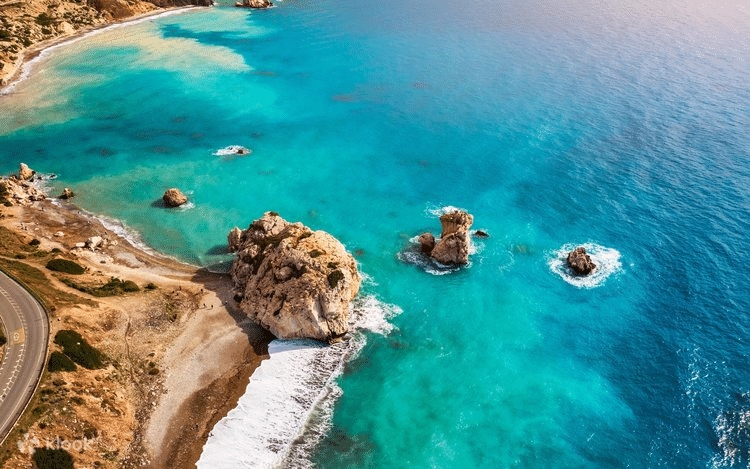
Outside Akamas, much of the Paphos–Geroskipou and Peyia–Coral Bay coastline has been transformed by decades of holiday-villa and hotel construction. Beyond replacing coastal scrub and agricultural land with concrete, developers and municipalities have relied heavily on chains of offshore rock breakwaters to create calm swimming lagoons and fight erosion. Coastal engineers point out that these hard structures disrupt natural sediment transport—starving neighboring beaches of sand while acting as physical traps for marine debris.
3. The Microplastic Reality on Paphos Beaches
Even clean-looking Paphos beaches carry a hidden burden. The eastern Mediterranean seabed holds some of the highest concentrations of plastic pollution in the world, driven largely by currents carrying waste from coastal landfills and river outflows across the Levantine basin. Monitoring by the AKTI Project and Research Centre has recorded up to 4,000 microplastic particles per square meter on Paphos beaches. Because fragments smaller than five millimeters cannot be swept up by municipal crews without stripping the beach sand itself, rough seas repeatedly wash fresh waves of microplastics ashore.
4. Water Scarcity and Climate Stress
Paphos sits on the front line of eastern Mediterranean drying. Prolonged droughts, hotter summers, and rising water demand from tourism, golf courses, and residential pools place chronic pressure on the district’s reservoirs—such as the Asprokremmos and Evretou dams. While seasonal rains periodically replenish dam stocks, Cyprus remains structurally dependent on energy-intensive desalination plants to avoid acute summer water deficits, trading water security for higher electricity emissions and hypersaline brine discharge into coastal waters. Meanwhile, hotter summer temperatures and drier forest floors heighten wildfire risks in the Paphos Forest and threaten drought-stressed cedar stands.
Solutions for the Future: What Actually Needs to Change
Paphos does not lack environmental laws on paper; it suffers from an enforcement and investment gap. Across Cyprus, European Commission assessments estimate an annual biodiversity funding shortfall of roughly €96 million—a serious vulnerability in a country where half of gross value added depends directly on healthy ecosystems. Turning things around in Paphos requires concrete shifts rather than greenwashing:
- Car-Free Core Zones in Akamas: Replacing private 4×4 and quad-bike convoys inside sensitive zones with regulated electric shuttle buses, marked hiking trails, and strict vehicle caps would cut dust, noise, erosion, and wildfire ignition risks immediately.
- Enforceable Restoration and Audits: Ensuring that legally binding environmental conditions—such as habitat restoration, waste removal, and ecological supervision—are enforced before and during infrastructure work rather than litigated years after damage occurs.
- Soft Coastal Management: Moving away from artificial breakwater chains toward nature-based coastal protection, including protecting Posidonia oceanica (Neptune grass) seagrass meadows, which naturally dampen wave energy, sequester carbon, and shelter juvenile fish.
- Circular Water and Tourism Caps: Tying new hospitality and residential permits strictly to water recycling, solar-powered desalination, and graywater reuse, while shifting Paphos’s tourism model from high-volume coastal sprawl toward low-impact, year-round nature and cultural travel.
Paphos remains a place of genuine ecological wonder, where you can still watch endemic cedars catch mountain mist in the morning and see protected turtle tracks on a wild beach by dusk. Whether it stays that way depends on whether Cyprus treats its western coast as a finite living ecosystem—or simply as real estate with a sea view.
Related Content
- Paphos Tours
- A Land for Strangers Non-Native Individuals and Communities in Cyprus
- Corfu Travel Guide 2026: 4 Secrets to Sustainable Tourism
- Climate Change: The Harsh Reality and Hopeful Horizon of 2025
- Rozino Bee Venom: A Natural Wonder for Skin and Beyond
- 2024: A Year of Climate Extremes
- Broad spectrum of issues that highlight the interconnectedness of technology, environment, entertainment, and global affairs
- 2024: A Year of Unprecedented Heat
- Benchmarking the Top 40 Sustainable Companies and Exploring Opportunities, Challenges & Eco-Friendly Brands
- Eat Your Way to a Stronger Spine: Top Foods for Back Health
- She Needs Protein: How Much is Enough for Female Athletes?
- Sweet Tooth Savior: Fruits that Satisfy Your Cravings and Your Health
- Unlocking the Truth: Beware of These Sneaky Liver Saboteurs in Your Diet!
- Boost Your Immune System Naturally: Top Tips for Staying Healthy All Year