The Future of Sustainable Transport: Talgo’s High-Speed Hydrogen-Powered Trains

At an altitude of 2,900 meters above sea level, the effects of climate change are starkly visible. The ski station has resorted to using plastic sheeting to preserve snow, illustrating the need for more sustainable solutions. Meanwhile, the transportation sector is seeing promising innovations like Talgo’s hydrogen-powered trains, or hydrail. This technology eliminates the need for overhead wires and significantly cuts carbon emissions, providing a potential game-changer in the fight against climate change. However, challenges such as hydrogen infrastructure costs and storage efficiency must be addressed before widespread implementation can take place. Governments and industries need to work together to overcome these obstacles, invest in hydrogen production, and build the necessary infrastructure.


Booking.com Accused of Profiting from Israeli Settlements: A Legal and Ethical Battle

Booking.com is facing accusations from a coalition of NGOs for profiting from Israeli settlements in the occupied Palestinian territory, considered illegal under international law. The coalition filed a criminal complaint in the Netherlands, accusing Booking.com of money laundering by facilitating bookings in these settlements, which they argue supports war crimes. Booking.com defends itself by claiming compliance with applicable laws and stating that it’s up to travelers to decide where to go. The article also discusses the involvement of other travel platforms like Airbnb, pressures from US anti-boycott laws, and the responsibility of institutional investors in stopping financing businesses linked to illegal settlements.

Melting Glaciers: A Growing Threat to Alpine Valleys

The sound of melting is all around us as we arrive on the Stubai glacier in Austria. Today the ice may lose a centimetre or two of depth, because the sun is shining and temperatures are well above zero. As we walk slowly from the ski lift, glaciologist Andrea Fischer warns us to watch out for holes and cracks in the icy mud.

Top eCommerce Trends for 2024: What Businesses Need to Know

As the eCommerce landscape continues to evolve, 2024 brings new trends that retailers must embrace to stay competitive. From personalization and omnichannel experiences to the rise of social and voice commerce, businesses will need to leverage technology and customer insights. Subscription models and sustainability will also play key roles, driving convenience and meeting eco-conscious consumer demands. Staying agile and innovative will be essential for success in this dynamic market.

Crossing the Seventh Planetary Boundary: A Dire Warning and Path to Action

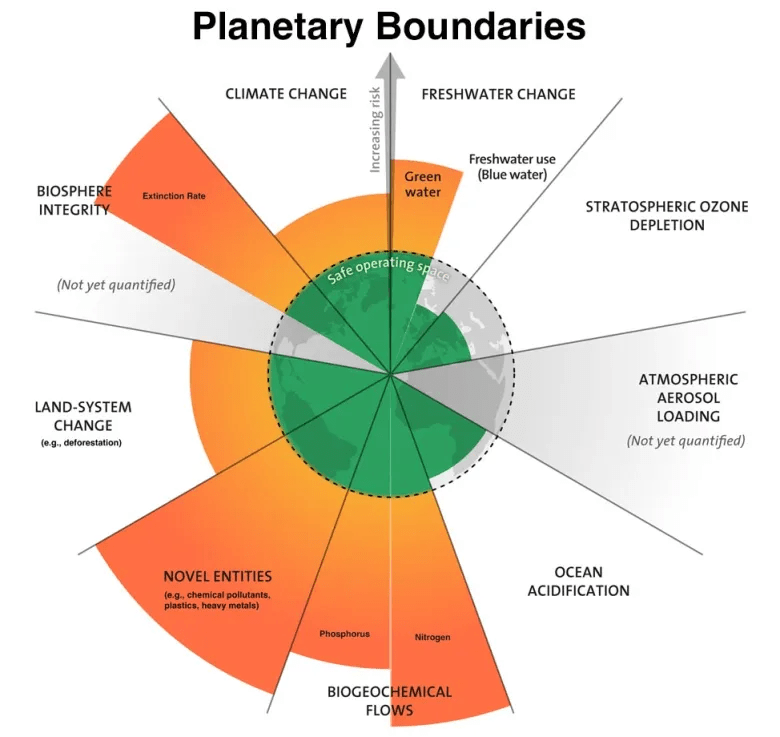
Ocean acidification, driven by the absorption of excess carbon dioxide by the oceans, threatens to become the seventh planetary boundary that humanity crosses. This phenomenon is already destabilizing marine ecosystems, impacting biodiversity, and endangering food security for millions. While six boundaries, including climate change and biodiversity loss, have already been breached, ocean acidification could compound these issues with far-reaching consequences. To avoid this outcome, immediate and coordinated global efforts are required to reduce carbon emissions, transition to renewable energy, restore ecosystems, and develop sustainable solutions for both marine life and human communities. The urgency of addressing ocean acidification highlights the interconnectedness of environmental issues and the critical need for international cooperation.

The Environmental Catastrophe of War: Understanding the Crisis in Gaza

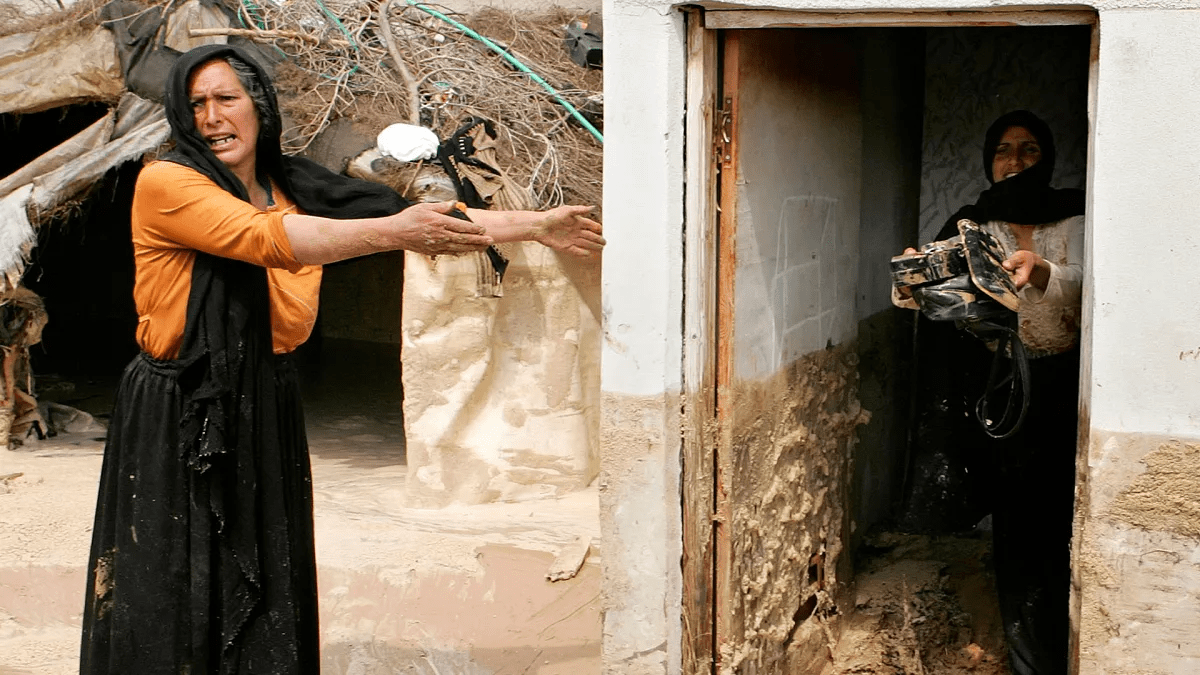
The ongoing conflict in the Gaza Strip is not only a staggering humanitarian crisis but also an environmental disaster with lasting consequences. As military operations escalate, the region faces compromised access to clean water, infrastructure destruction, and ecological disturbances, threatening the lives and well-being of millions. Addressing the intertwined challenges of war and environmental degradation is imperative for sustainable recovery and future resilience. This extended analysis explores the multifaceted environmental impacts of the conflict, from water scarcity and energy crises to ecosystem disruption and climate change vulnerability, emphasizing the need for a holistic approach to post-conflict reconstruction that prioritizes both human rights and environmental sustainability.

Free Worldwide shipping

On orders dispatched and delivered within the same country.

Easy 30 days returns

30 days money back guarantee

International Warranty

Offered in the country of usage

100% Secure Checkout

PayPal / MasterCard / Visa