The Gulf Stream Could Be in Trouble: Examining the AMOC’s Collapse and Pragmatic Solutions

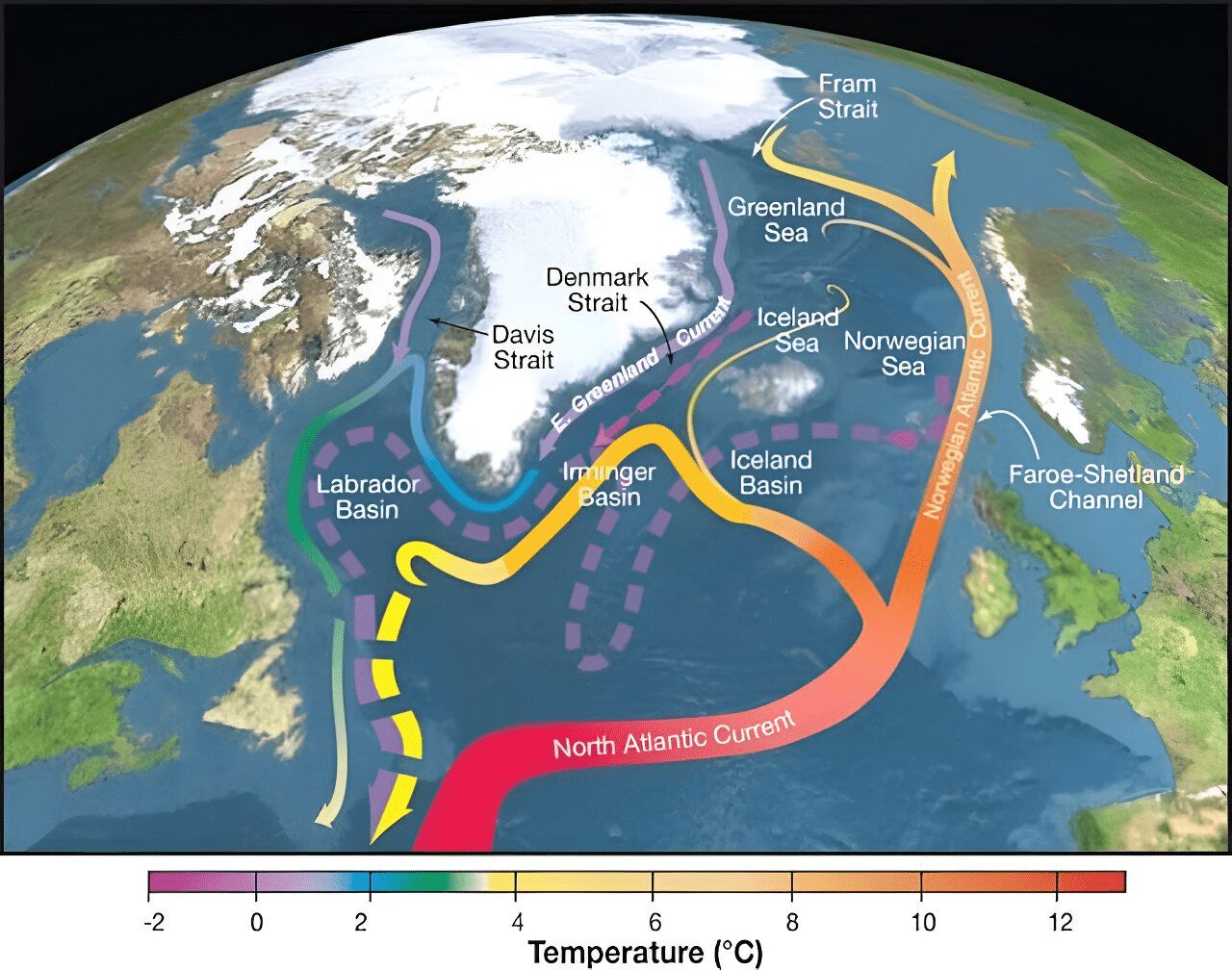
The Atlantic Meridional Overturning Circulation (AMOC) powers the Gulf Stream, regulating global weather and ocean systems. However, climate change, driven by greenhouse gas emissions and Arctic ice melt, is weakening the AMOC. If this critical system collapses by mid-century, it could lead to extreme weather, rising sea levels, and marine ecosystem collapse.

Addressing this crisis requires transitioning to renewable energy, protecting forests, and adopting sustainable agricultural practices. International cooperation is essential to enforce stronger climate policies and finance climate adaptation in vulnerable regions. Meanwhile, individual actions, such as reducing carbon footprints and supporting conservation efforts, also play a vital role in safeguarding our oceans and climate.

30 Days of Heatwave Per Year, Up to 50°C Feared: Why Île-de-France Could Become a Hell in Summer by 2050

By 2050, the Île-de-France region could face up to 30 days of heatwave conditions annually, with temperatures reaching as high as 50°C. The urban heat island effect in Paris exacerbates these extreme temperatures, posing significant health risks and infrastructure challenges. Solutions such as urban greening, sustainable building designs, renewable energy adoption, and comprehensive heat action plans are essential for mitigating these effects. Collaboration between local governments, the private sector, and communities will be key to creating a more resilient, sustainable urban environment in the face of climate change.

Legendary German Brand MAHLE Shifts Gears: Hydrogen Engines Join the Race, Not Replace EVs

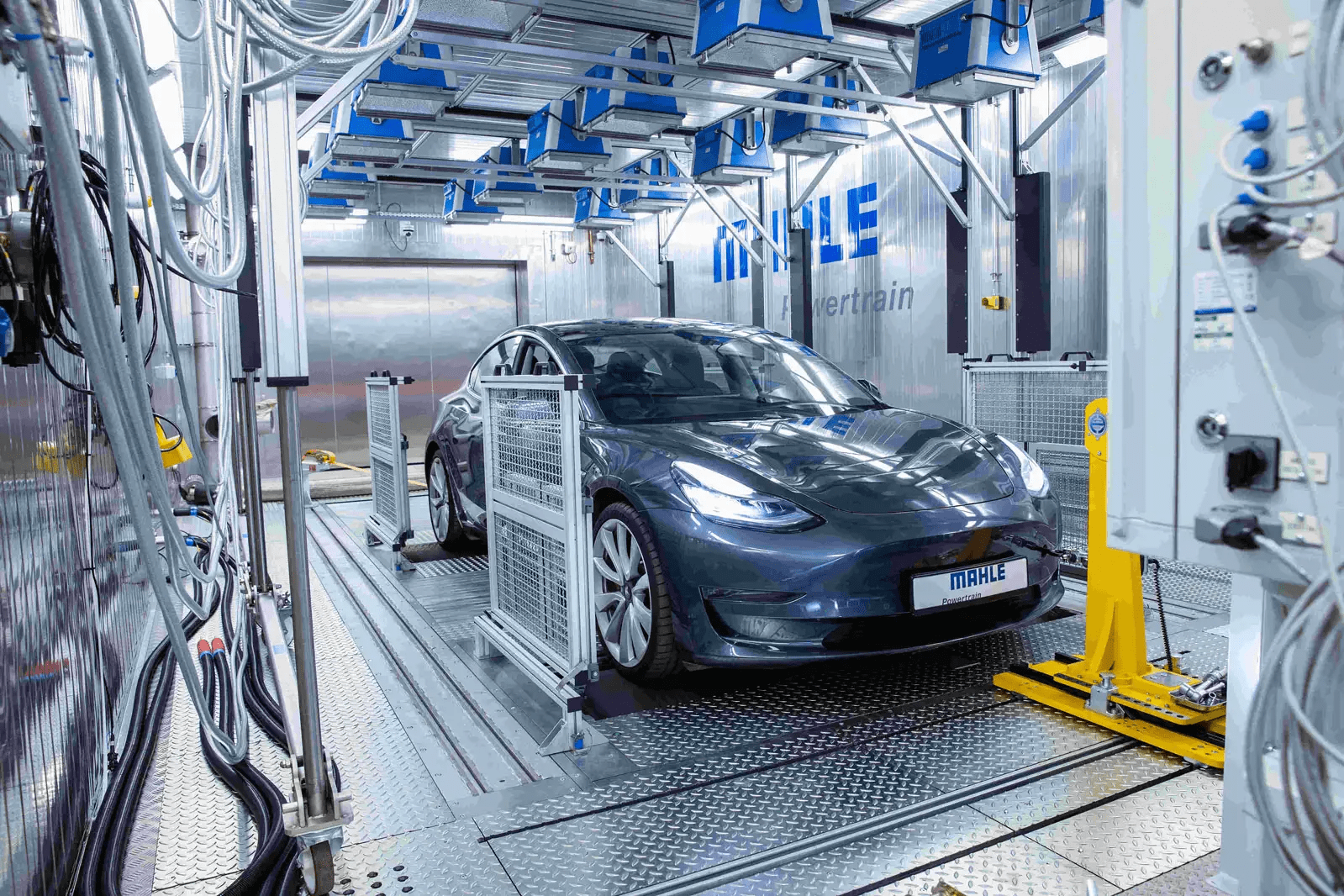
MAHLE’s collaboration with DEUTZ to develop hydrogen engines marks a pivotal moment in sustainable mobility. Rather than competing with electric vehicles (EVs), hydrogen technology complements it by addressing the limitations of EVs in heavy-duty applications. Hydrogen engines offer advantages such as reduced emissions, faster refueling times, and adaptability to existing infrastructure. However, challenges like hydrogen infrastructure and green hydrogen production need to be addressed. MAHLE’s multi-pronged approach reflects the future of transportation, where a combination of hydrogen and electric solutions will pave the way for a cleaner, greener future.

Toyota’s Green Fuel Engine: A Versatile Approach to Sustainability

Toyota’s new green fuel engine represents a versatile and innovative solution for achieving carbon neutrality in the transportation sector. Capable of running on hydrogen and bioethanol, this engine significantly reduces emissions while maintaining flexibility in fuel sources. Toyota’s approach combines its legacy of environmental responsibility with a commitment to developing multiple sustainable technologies. While infrastructure, costs, and public perception remain challenges, Toyota’s green fuel engine could play a key role in the transition to a more sustainable and eco-friendly transportation future.

Ain Department in France Embraces Green Gas: A Step Toward Energy Independence

The Ain department in France is leading an innovative project to produce biogas from agricultural waste, injecting it into the local gas grid. This initiative helps reduce carbon emissions and fosters energy independence, utilizing methane digesters installed on farms. The broader adoption of green gas worldwide could play a critical role in reducing fossil fuel reliance and supporting sustainable agricultural practices, with countries like Germany and Denmark already making significant strides. Green gas presents both opportunities and challenges, requiring supportive policies, investment, and technological advancement to unlock its full potential.

Solar Highways: A Bold Vision for a Greener Future

A groundbreaking proposal for solar highways envisions covering roadways with solar panels to generate clean energy and reduce carbon emissions. This innovative approach leverages existing infrastructure, utilizing highways to produce renewable energy without competing for additional land. A recent study highlights the potential for solar highways to generate significant amounts of electricity while offering ecological benefits, such as improved air quality and reduced traffic accidents through glare reduction. However, the initiative faces challenges, including construction costs, maintenance requirements, aesthetic concerns, and the need for grid integration. By overcoming these hurdles through technological advancements and international collaboration, solar highways could pave the way for a greener and more sustainable future.

Free Worldwide shipping

On orders dispatched and delivered within the same country.

Easy 30 days returns

30 days money back guarantee

International Warranty

Offered in the country of usage

100% Secure Checkout

PayPal / MasterCard / Visa