From the Alpine classrooms of Saint-Julien-en-Genevois to the research laboratories of Lausanne and Zurich, European educational institutions are leading a profound green transformation. This article explores how schools and universities across the continent are embedding sustainability, ecology, and climate action into the very fabric of their missions — through curriculum reform, campus innovation, and community engagement.
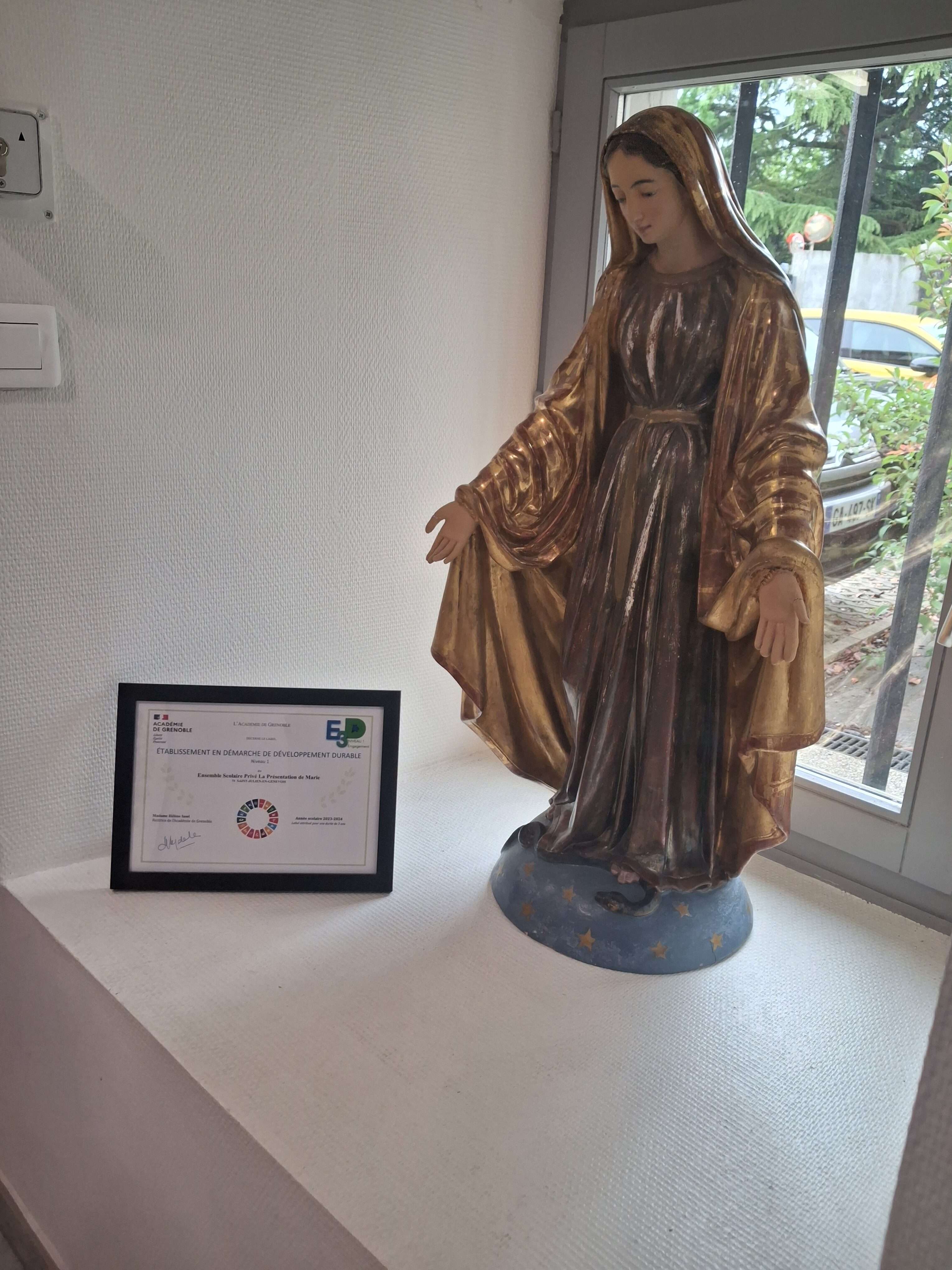
In France, the E3D certification framework is turning schools into living laboratories of sustainable practice, with La Présentation de Marie serving as a compelling case study of how a values-driven institution can unite environmental responsibility with educational excellence. Across the border in Geneva, École Schulz demonstrates how vocational training — through Pearson’s BTEC qualifications — is preparing a new generation of digitally skilled professionals for a green economy. Meanwhile, Pearson itself has made sustainability a design principle of its entire 2025 qualification suite, ensuring that ecological literacy reaches learners in every sector.
At the summit of this movement stand Switzerland’s two federal technical universities: EPFL, whose Solutions4Sustainability initiative and mandatory sustainability curriculum are engineering real-world solutions to the carbon crisis, and ETH Zurich, whose Net Zero 2024–2030 programme and encyclopaedic sustainability course catalogue are setting the global standard for climate-responsible higher education.
Together, these institutions tell a single, urgent story: the future is not just something we study — it is something we are already building, within the walls of our schools.