Floating Solar Power Plants: A New Horizon for Renewable Energy in Extreme Marine Conditions

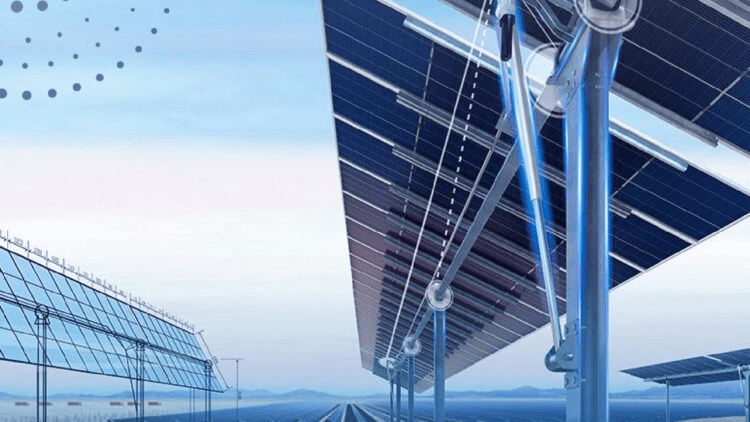
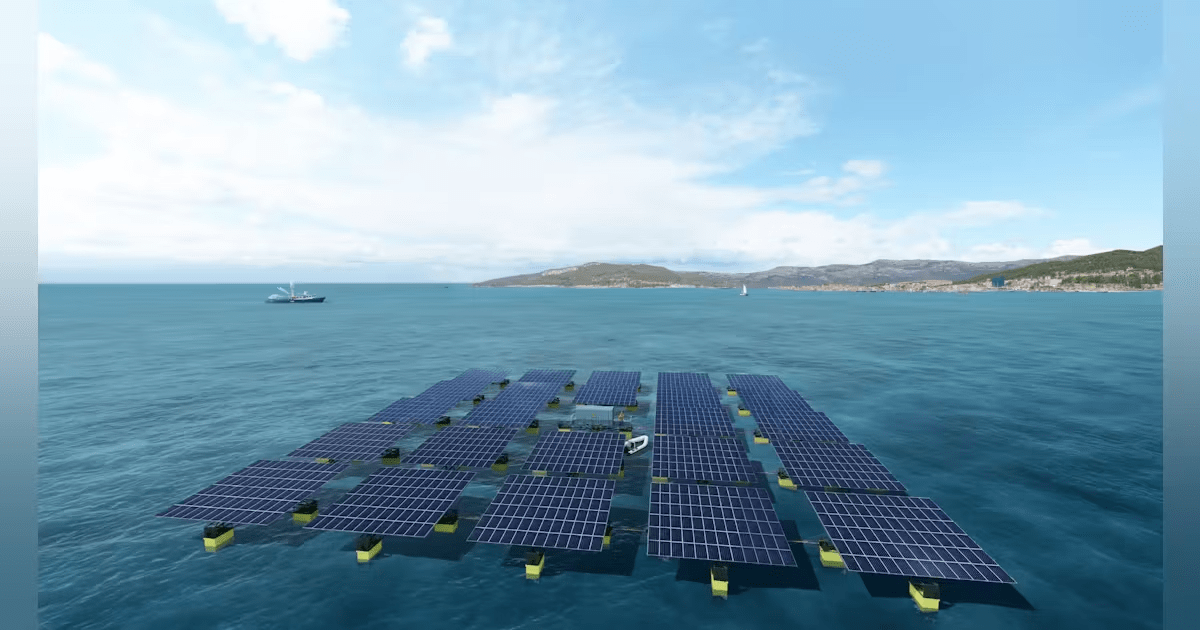
The development of XolarSurf, a floating solar power plant by Italian startup Saipem, offers a groundbreaking solution to the challenges of clean energy production in extreme marine environments. By harnessing solar energy on the ocean’s surface, XolarSurf presents a promising path forward for regions with limited land space or harsh weather conditions. However, challenges like high initial costs, maintenance in corrosive saltwater, and potential environmental impacts on marine ecosystems remain. With collaboration between governments, the private sector, and international bodies, floating solar technology can play a crucial role in reducing our dependence on fossil fuels and securing a sustainable future for humankind.
Reducing Paper Use with ME-QR: A Step Toward Sustainability

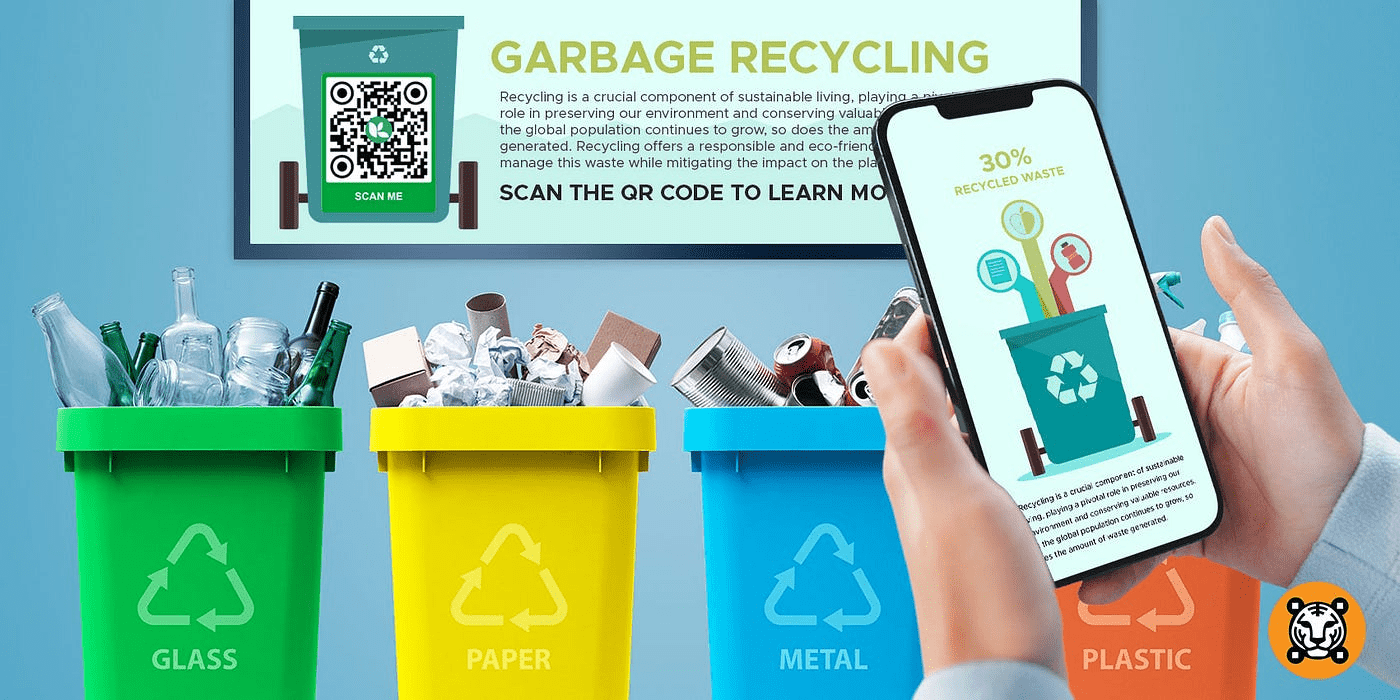
This article explores the use of ME-QR.com to reduce paper consumption and highlights the additional benefits of QR code technology. By eliminating printed materials, enhancing customer engagement, and promoting sustainability, businesses can leverage QR codes to foster a more environmentally friendly approach while improving operational efficiency.

9 of the Best Sustainable Vegan Restaurants Across the U.S.: Ecological Solutions for a Greener Future

As the environmental consequences of animal agriculture become more pressing, vegan restaurants across the U.S. are stepping up to provide more than just plant-based meals. Beyond being vegan, many are embracing significant sustainability practices that reduce their overall environmental impact. These ecological solutions include everything from renewable energy to waste reduction, demonstrating that dining can be both delicious and responsible.

The biggest project in history begins: 52 billion solar panels, and America covered

The United States has launched the largest solar energy project in history, aiming to deploy over 52 billion solar panels across the country. This initiative seeks to harness renewable energy on an unprecedented scale, potentially generating four times the nation’s current annual energy needs while offsetting nearly 29% of annual carbon emissions. Despite the significant environmental benefits, the project faces challenges, including high production and maintenance costs and potential ecological impacts. Balancing innovation with sustainability will be crucial for the project’s success and its broader implications for the global transition to renewable energy.

The World’s First Hydrogen Tram Service Suspended in Foshan, China

The suspension of Foshan’s hydrogen tram service after four and a half years reflects the challenges of implementing hydrogen technology on a large scale. Despite hydrogen’s promise as a clean energy source, issues such as high production costs, low ridership, and the need for robust public education and economic models have highlighted the complexities of transitioning to hydrogen-powered transportation. While this pause may seem like a setback, it offers valuable lessons for future green energy projects, emphasizing the need for a holistic approach that considers technological, economic, environmental, and social factors.

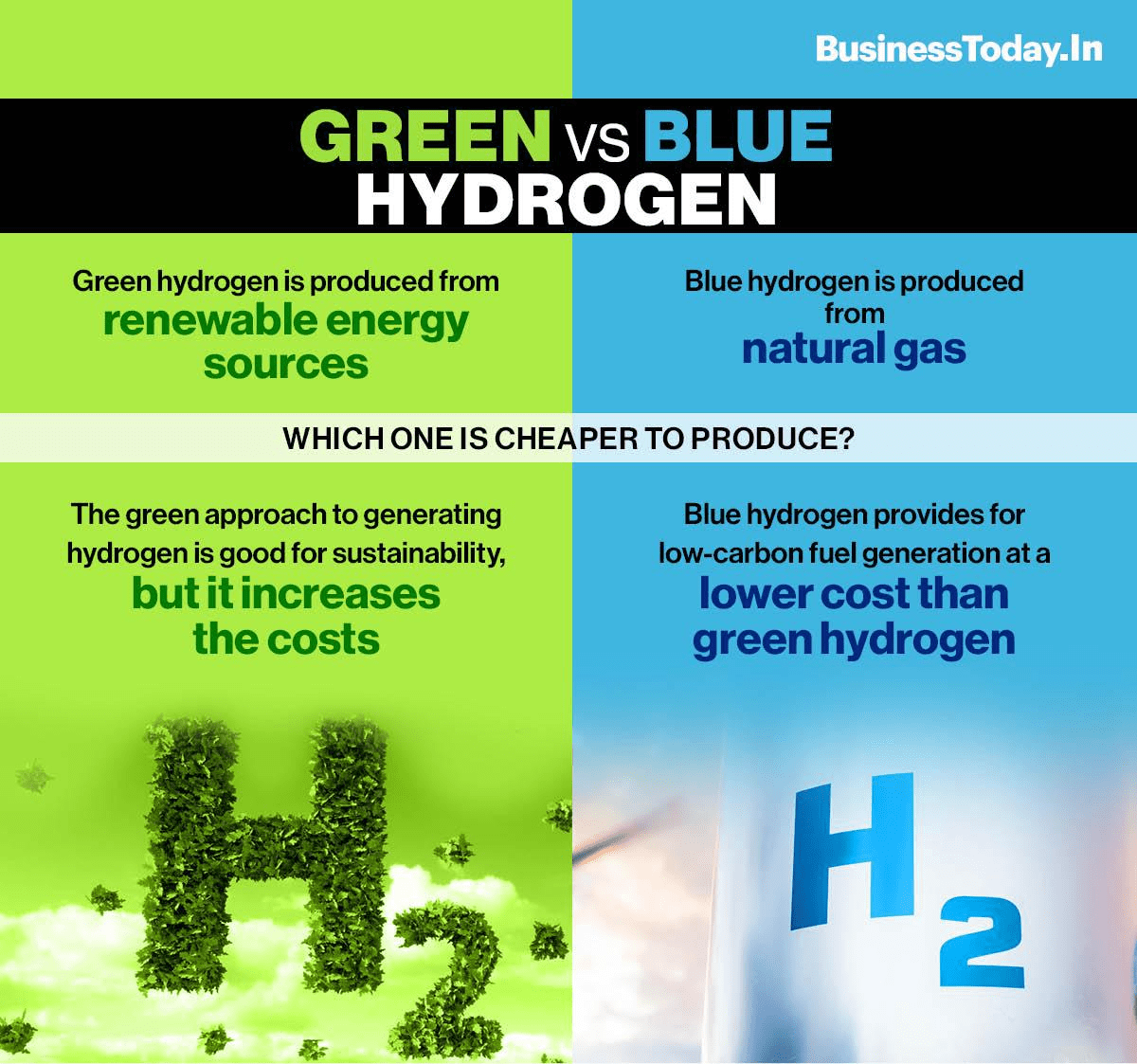
Blue Hydrogen: A Green Dream or Ecological Nightmare?

Blue Hydrogen: A Clean Energy Dilemma
Despite being touted as a cleaner alternative to traditional fossil fuels, blue hydrogen faces significant environmental challenges. The production process, which involves carbon capture and storage (CCS), can lead to methane leakage, energy-intensive CCS operations, and potential CO2 storage leaks. These factors undermine the notion of blue hydrogen as a truly clean energy source, raising concerns about its contribution to climate change.

Free Worldwide shipping

On orders dispatched and delivered within the same country.

Easy 30 days returns

30 days money back guarantee

International Warranty

Offered in the country of usage

100% Secure Checkout

PayPal / MasterCard / Visa