Green Blog

The Orbital Engine Trade-Off: How Elon Musk Repurposed Jet Turbines for AI—and Sparked an Environmental Firestorm

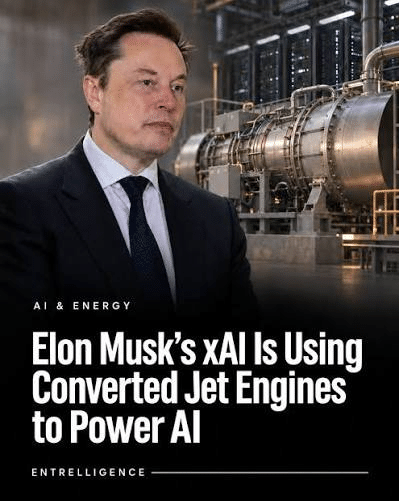
Elon Musk’s xAI has converted eight General Electric aircraft engines—originally mounted on Boeing 747 and 767 aircraft—into natural gas generators to power its Colossus 2 data center. Reconditioned by ProEnergy, each turbine can produce up to 50 MW, delivering a combined 400 MW, roughly enough electricity for 120,000 homes. The permit covers 41 permanent turbines with a total capacity approaching 1.2 GW, as Musk promised this summer to multiply the data center’s capacity by seven. The modified engines were chosen because they can be deployed far faster than grid connections, which typically take years. However, the installation brings significant pollution: the permit allows a carbon monoxide ceiling twice as high for these eight turbines as for certain other installations at the site, along with 25% more volatile organic compounds, including formaldehyde, a known carcinogen. The Southern Environmental Law Center is contesting the state authorization, arguing that xAI underestimated projected emissions and failed to demonstrate compliance with certain limits. It also criticizes the use of reconditioned Boeing engines when modern turbines emit far less. The permit was approved last March despite strong local opposition. xAI has faced legal action for months: the NAACP and environmental groups previously sued over 27 temporary turbines used without what they deemed mandatory federal permits. According to Reuters, 57 turbines operate at Colossus 2, and 30 of them reportedly release nearly 2,500 tonnes of nitrogen oxides and 4,000 tonnes of carbon monoxide per year. Last month, a federal judge refused to dismiss that case. Residents nearby also complain of constant noise, day and night, just a few hundred meters from their homes. Last June, three residents launched a class action against xAI and SpaceX for noise nuisance and loss of property value. To quell the discontent, Musk has offered to buy several houses in the nearby Colonial Hills neighborhood—with a clause prohibiting sellers from joining the lawsuit.
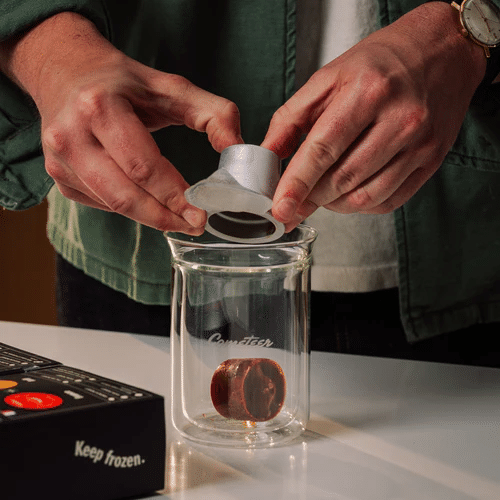
Cometeer Review: A Specialty Coffee Shop in Your Freezer

Cometeer delivers specialty-coffee-shop quality in a frozen capsule — flash-frozen at -321°F, ready in seconds, and wrapped in fully recyclable aluminum with 100% of spent grounds composted. We break down the taste, the $2-per-cup price, and who it’s actually for.

Rivers Dry: The Hidden Toll of Global Heatwaves

As global heatwaves shatter historical records from North America to Asia and Europe, our planet’s vital lifelines—great rivers like the Rhône, Rhine, and Danube—are trickling down to historic lows. Beyond disrupting freight and power grids, this double blow of scorching air and parched soil is fracturing pollination systems, starving trees, and pushing pollinators to the brink. Here is a look at the cascading climate crisis—and the systemic solutions needed to adapt.

Corfu Travel Guide 2026: 4 Secrets to Sustainable Tourism

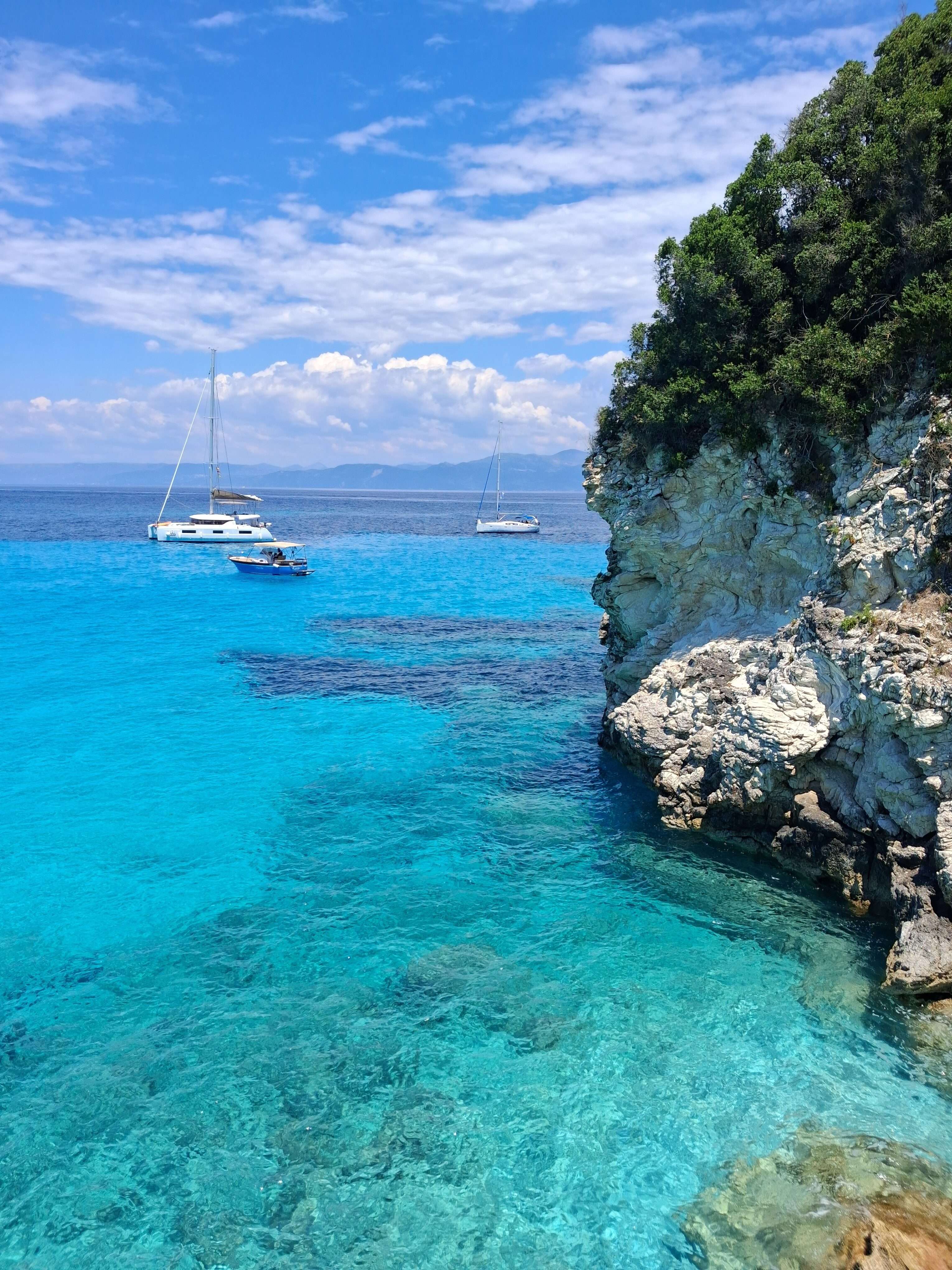
Explore the captivating balance between the natural, Venetian-infused beauty of the Ionian Islands and the escalating infrastructural pressures of modern tourism. From the breathtaking cliffs of Cape Drastis and the pristine sanctuaries of Paxos and Antipaxos to systemic municipal waste crises and aviation’s roadmap to net-zero, this comprehensive guide offers a journalistic look at navigating Corfu in 2026. Discover how sustainable travel strategies, eco-tourism initiatives, and conscious consumer choices can help preserve the fragile, glowing blue horizon of the Mediterranean for generations to come.

4 Revolutionary Ways European Schools are Saving the Planet Today

From the Alpine classrooms of Saint-Julien-en-Genevois to the research laboratories of Lausanne and Zurich, European educational institutions are leading a profound green transformation. This article explores how schools and universities across the continent are embedding sustainability, ecology, and climate action into the very fabric of their missions — through curriculum reform, campus innovation, and community engagement.
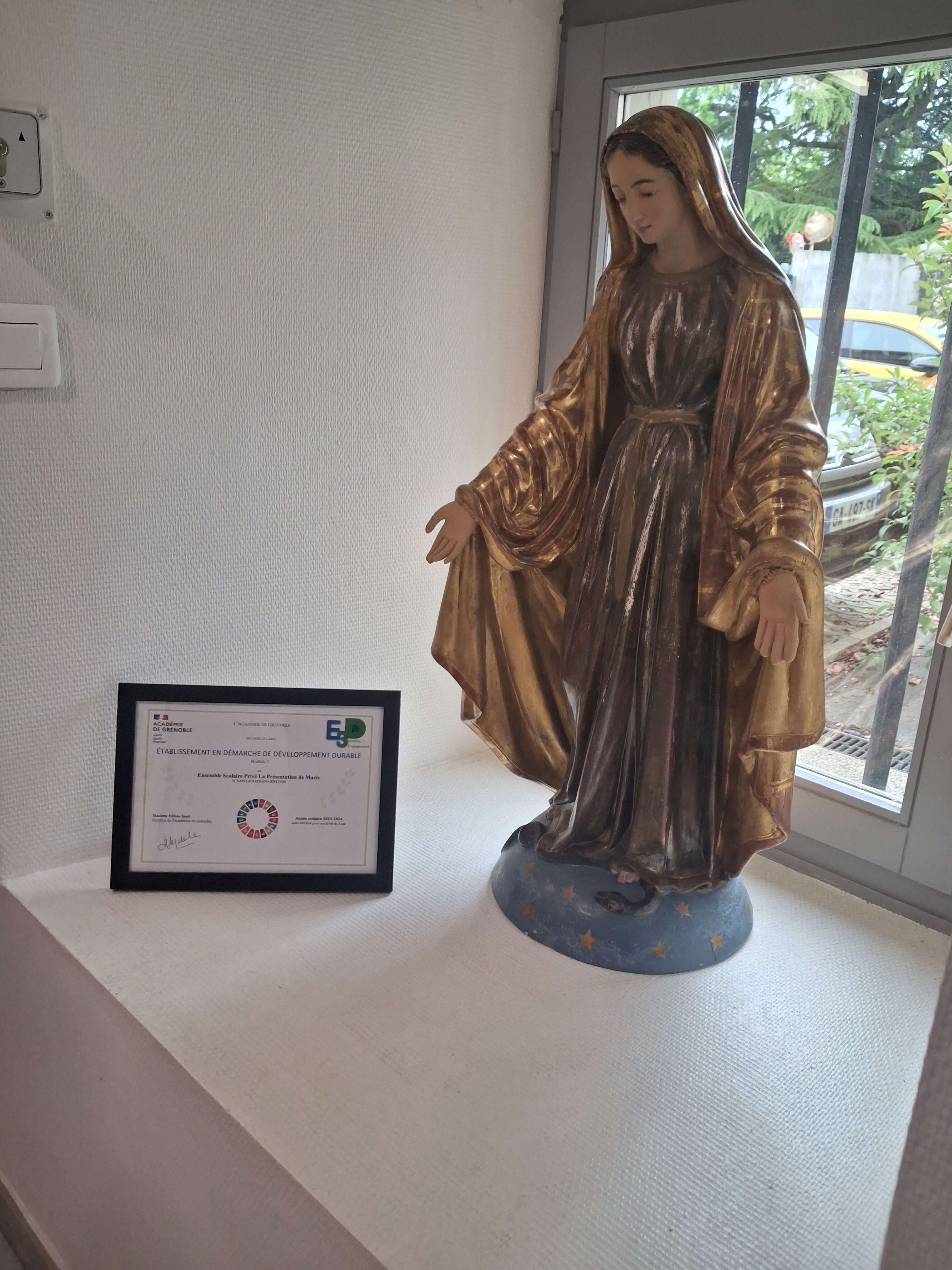
In France, the E3D certification framework is turning schools into living laboratories of sustainable practice, with La Présentation de Marie serving as a compelling case study of how a values-driven institution can unite environmental responsibility with educational excellence. Across the border in Geneva, École Schulz demonstrates how vocational training — through Pearson’s BTEC qualifications — is preparing a new generation of digitally skilled professionals for a green economy. Meanwhile, Pearson itself has made sustainability a design principle of its entire 2025 qualification suite, ensuring that ecological literacy reaches learners in every sector.
At the summit of this movement stand Switzerland’s two federal technical universities: EPFL, whose Solutions4Sustainability initiative and mandatory sustainability curriculum are engineering real-world solutions to the carbon crisis, and ETH Zurich, whose Net Zero 2024–2030 programme and encyclopaedic sustainability course catalogue are setting the global standard for climate-responsible higher education.
Together, these institutions tell a single, urgent story: the future is not just something we study — it is something we are already building, within the walls of our schools.

Free Worldwide shipping

On orders dispatched and delivered within the same country.

Easy 30 days returns

30 days money back guarantee

International Warranty

Offered in the country of usage

100% Secure Checkout

PayPal / MasterCard / Visa