How to Choose Between ESG and Traditional ETFs in 2026: The Real Cost of NESG, SPXE vs EQQS and SPXS

The transition from traditional investment indices to ESG-centric alternatives like NESG and SPXE highlights a pragmatic shift in finance. This move acknowledges that integrating Environmental, Social, and Governance criteria offers strategic advantages through risk mitigation, operational efficiency, and enhanced brand reputation, without sacrificing financial performance. A growing body of evidence suggests ESG strategies can perform comparably to, or even outperform, conventional benchmarks, proving that “doing good” and “doing well” are increasingly intertwined.
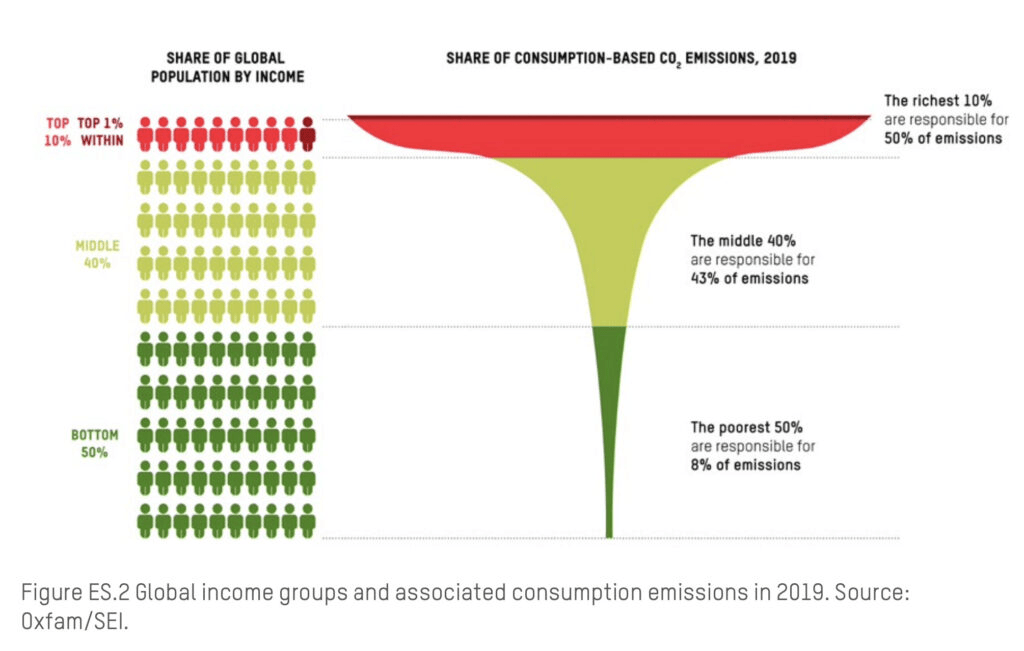
Billionaires and Their Carbon Budgets: Unpacking Oxfam’s Alarming Report

Solutions like carbon taxes on luxury emissions, a climate wealth tax, and incentives for green investments could help redirect the ultra-wealthy towards more sustainable practices and investments, fostering accountability and lowering high emissions associated with billionaire lifestyles.

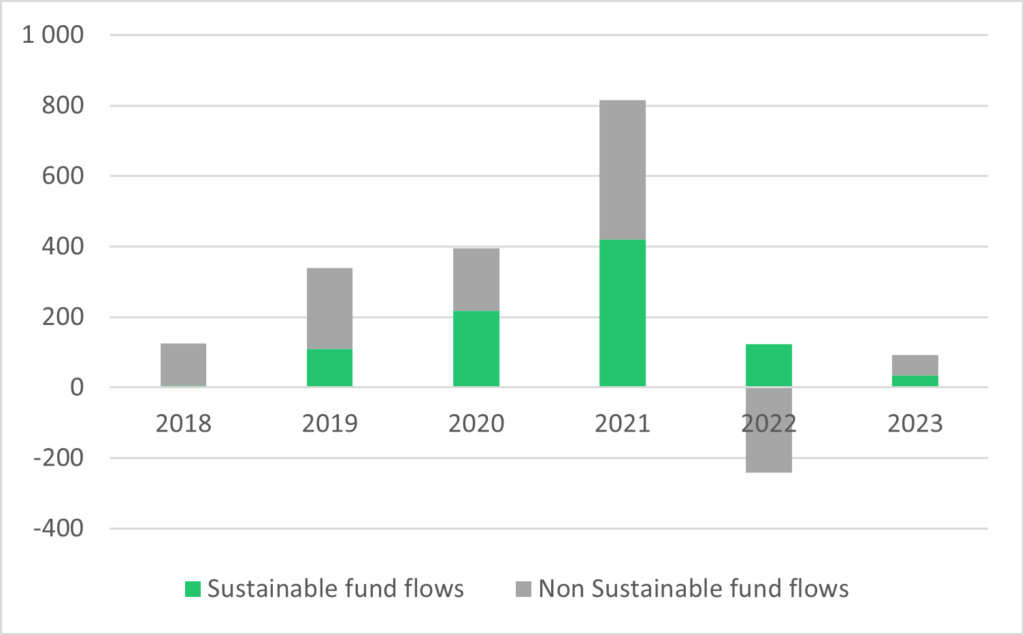
The Sharp Decline of ESG Funds: Is Sustainable Finance at a Crossroads?

Sustainable finance is facing an unexpected downturn, with ESG (Environmental, Social, Governance) funds experiencing a sharp decline in 2024. After years of rapid growth, the number of new ESG fund launches dropped by 50% in the first half of the year. This decline is driven by market normalization, regulatory uncertainty, and greenwashing scandals, particularly affecting the U.S. market. However, Europe remains resilient, with French giants Amundi and BNP Paribas Asset Management leading new fund launches. To ensure sustainable growth in ESG investing, investors should focus on diversification, transparency, and innovation.

Free Worldwide shipping

On orders dispatched and delivered within the same country.

Easy 30 days returns

30 days money back guarantee

International Warranty

Offered in the country of usage

100% Secure Checkout

PayPal / MasterCard / Visa