Germany Turns on the Most Powerful Generator in History: RWE’s Green Hydrogen Initiative

In a significant milestone for the global energy transition, Germany has switched on one of the most powerful generators in the world, as part of an ambitious green energy project led by RWE, one of the country’s leading energy providers. This groundbreaking initiative focuses on the production of green hydrogen, a clean, sustainable fuel that has the potential to transform industries reliant on fossil fuels. The generator is central to Germany’s strategy to decarbonize key sectors, reduce carbon emissions, and shift towards renewable energy sources. This project not only underscores Germany’s leadership in green innovation but also highlights the growing importance of hydrogen as a key player in achieving global climate targets. With this initiative, the country moves closer to creating a sustainable energy infrastructure that could revolutionize the energy industry worldwide.
Hydrogen Storage and Transportation: The Role of LOHC Technology in a Sustainable Energy Future

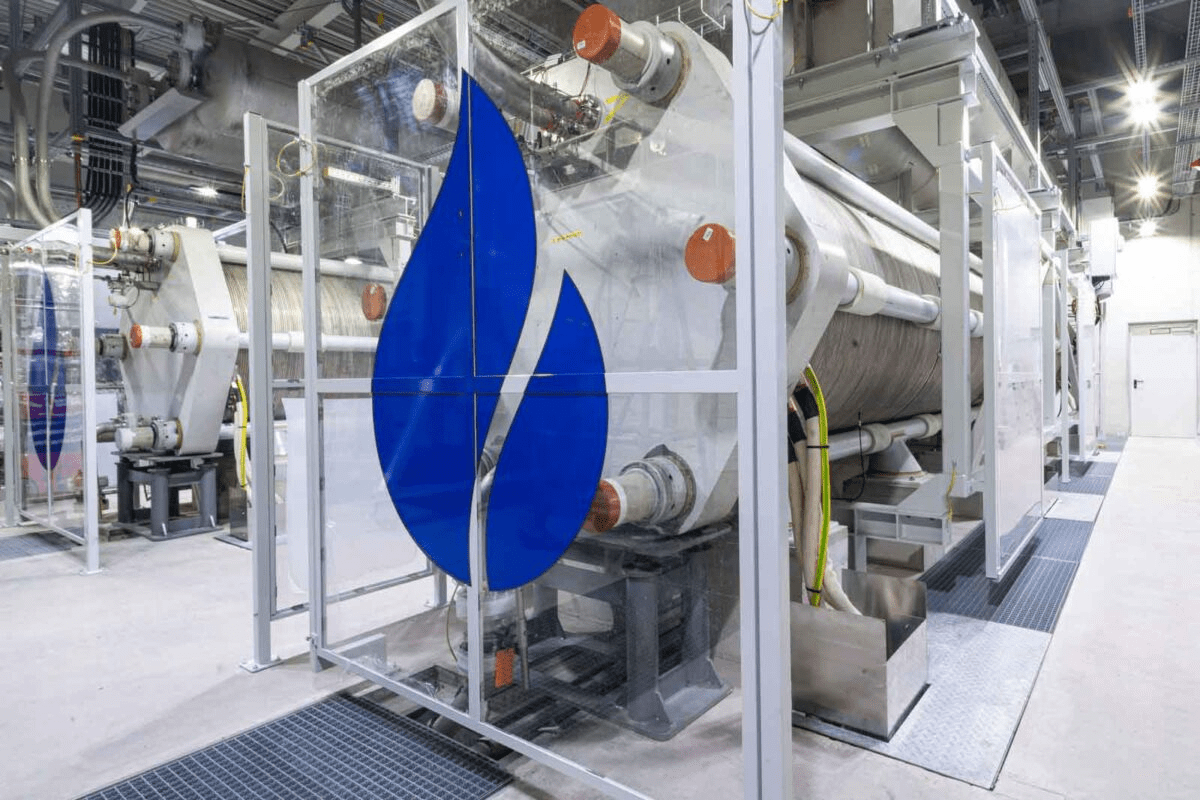
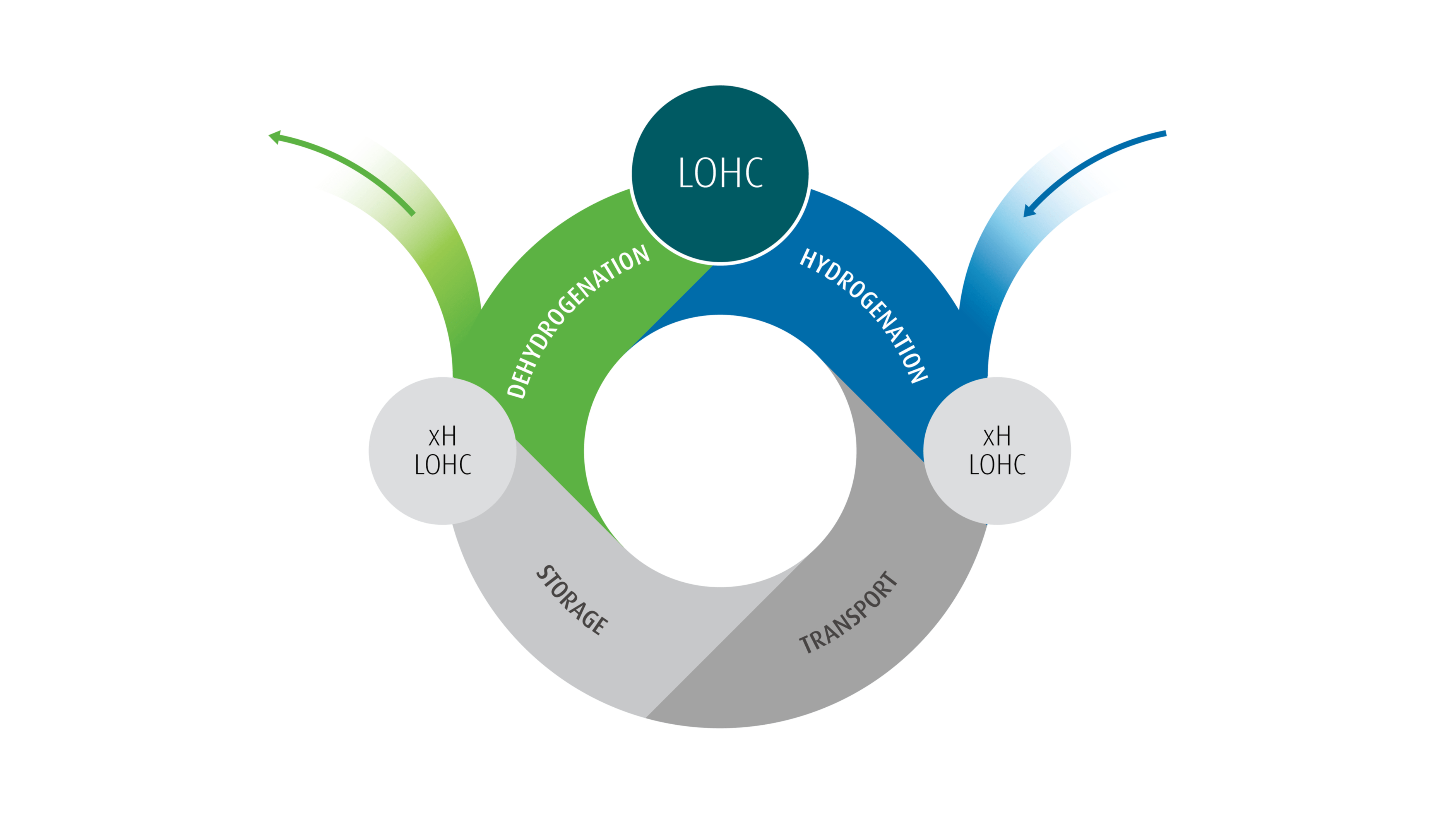
As the world transitions to cleaner energy, hydrogen is a promising alternative to fossil fuels. However, storing and transporting hydrogen is challenging due to its low density and the extreme conditions needed to keep it in liquid form. Traditional methods require high-pressure compression or cryogenic temperatures, which are costly and energy-intensive. LOHC technology (Liquid Organic Hydrogen Carriers) offers a solution by allowing hydrogen to be stored and transported safely at ambient temperatures and pressures. This innovation could revolutionize industries like shipping, heavy manufacturing, and transportation by making hydrogen more accessible and cost-effective, contributing to a sustainable energy future.

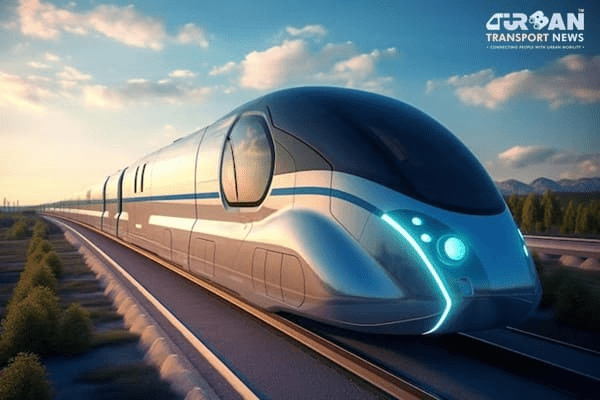
The Future of Sustainable Transport: Talgo’s High-Speed Hydrogen-Powered Trains

At an altitude of 2,900 meters above sea level, the effects of climate change are starkly visible. The ski station has resorted to using plastic sheeting to preserve snow, illustrating the need for more sustainable solutions. Meanwhile, the transportation sector is seeing promising innovations like Talgo’s hydrogen-powered trains, or hydrail. This technology eliminates the need for overhead wires and significantly cuts carbon emissions, providing a potential game-changer in the fight against climate change. However, challenges such as hydrogen infrastructure costs and storage efficiency must be addressed before widespread implementation can take place. Governments and industries need to work together to overcome these obstacles, invest in hydrogen production, and build the necessary infrastructure.

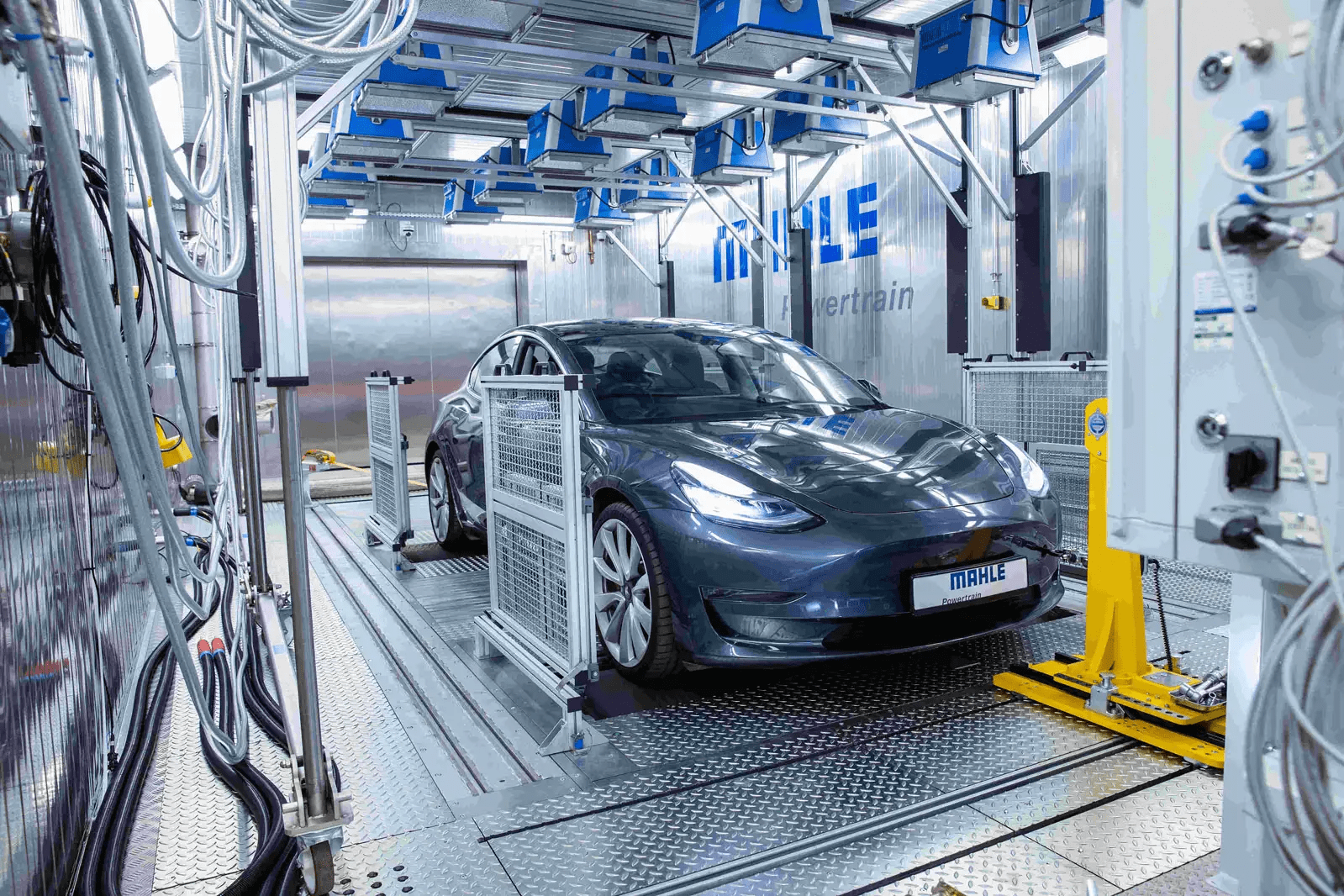
Legendary German Brand MAHLE Shifts Gears: Hydrogen Engines Join the Race, Not Replace EVs

MAHLE’s collaboration with DEUTZ to develop hydrogen engines marks a pivotal moment in sustainable mobility. Rather than competing with electric vehicles (EVs), hydrogen technology complements it by addressing the limitations of EVs in heavy-duty applications. Hydrogen engines offer advantages such as reduced emissions, faster refueling times, and adaptability to existing infrastructure. However, challenges like hydrogen infrastructure and green hydrogen production need to be addressed. MAHLE’s multi-pronged approach reflects the future of transportation, where a combination of hydrogen and electric solutions will pave the way for a cleaner, greener future.

Free Worldwide shipping

On orders dispatched and delivered within the same country.

Easy 30 days returns

30 days money back guarantee

International Warranty

Offered in the country of usage

100% Secure Checkout

PayPal / MasterCard / Visa