The CRAM Revolution: A Leap Forward in AI Sustainability

The development of Computational Random Access Memory (CRAM) by researchers at the University of Minnesota represents a significant breakthrough in AI technology. By integrating memory and processing functions, CRAM drastically reduces energy consumption, addressing critical concerns about the sustainability of AI. This innovation not only promises more efficient AI computation but also has far-reaching environmental benefits, potentially reducing the carbon footprint of AI systems and decreasing electronic waste.

Nuclear Power: A Cornerstone of the Energy Transition?

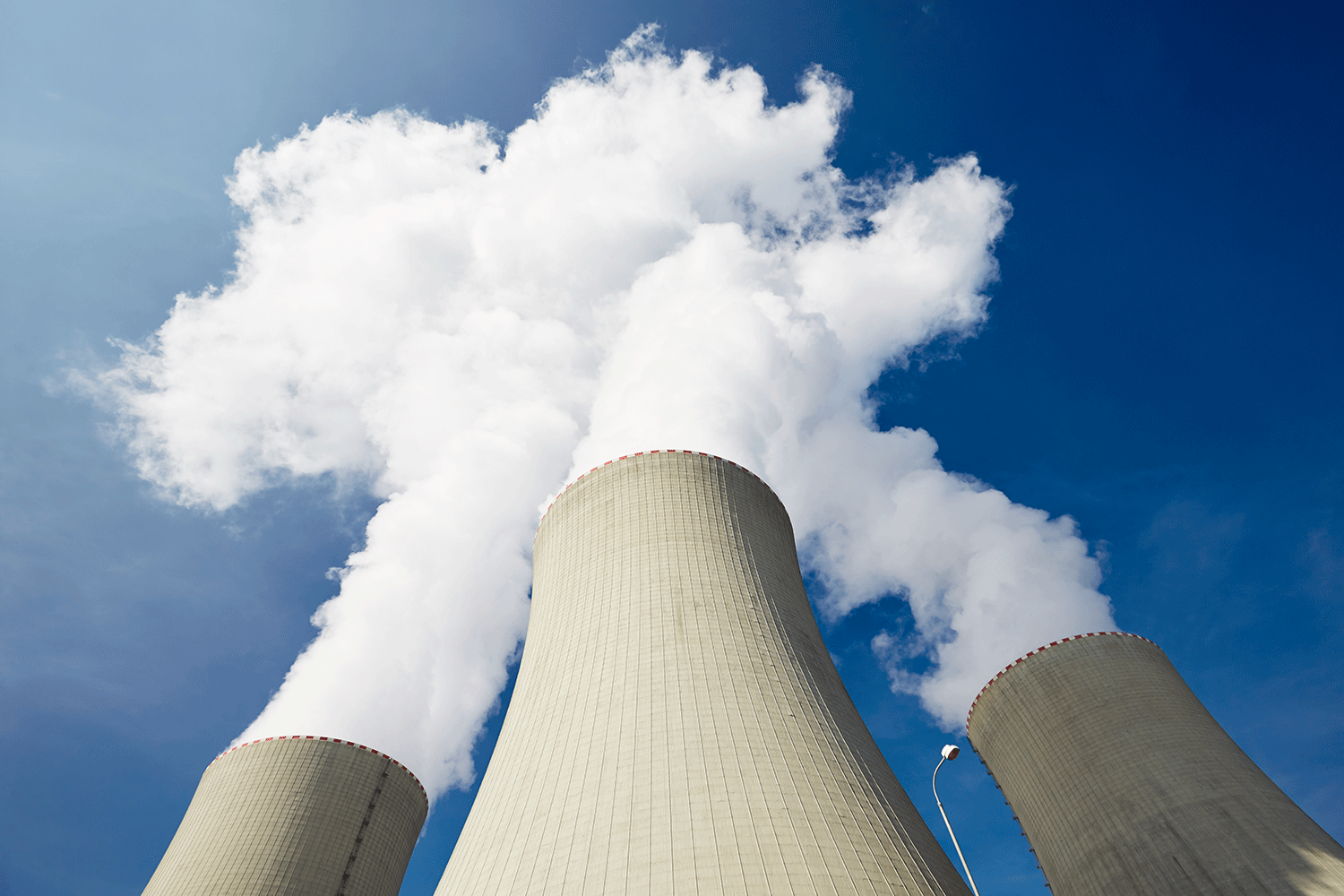
Nuclear power is emerging as a crucial element in the transition to a low-carbon energy system. With a global capacity of 396 gigawatts as of late 2023, and significant investments in new projects, nuclear energy offers substantial benefits in reducing greenhouse gas emissions and providing reliable baseload power. However, its widespread adoption faces challenges such as high construction costs, long lead times, and complex waste management issues. Addressing these challenges, investing in advanced technologies, and fostering international cooperation will be essential for nuclear power to contribute effectively to a sustainable energy future.

Top Countries by Fossil Fuel Consumption in 2023: A Complex Picture of Growth, Sustainability, and Ecological Impact

In 2023, global fossil fuel consumption reached new highs, with China and the United States responsible for nearly half of the total. Despite significant growth in renewable energy, fossil fuels still dominated the global energy mix, raising concerns about the environmental impact and the sustainability of current energy practices. As countries like China and India continue to expand their economies, balancing energy needs with ecological preservation remains a critical challenge.

Earth Has Six Continents, Not Seven: Radical New Study with Ecological and Sustainability Solutions

A groundbreaking study challenges the traditional view that Earth has seven continents, suggesting instead that North America and Europe should be considered a single continent. This discovery, focused on Iceland and the Greenland Iceland Faroes Ridge (GIFR), has profound implications for geology, ecology, and sustainability. The interconnectedness of these landmasses underscores the need for sustainable resource management, ecosystem restoration, and international conservation efforts to address climate change and protect our planet’s natural heritage.

Ecology, the Olympics, and the Future of Our Planet

The Olympic Games, a global spectacle, have evolved beyond athletic competition to address worldwide challenges. Paris, the host for the 2024 Games, is setting a precedent for sustainability. The Paris 2024 Organizing Committee has prioritized eco-friendly initiatives, aiming to power the event with renewable energy, utilize existing or temporary venues, expand public transportation, and implement advanced waste management strategies. This approach not only aims to reduce the event’s environmental impact but also to inspire global efforts toward sustainability.

Free Worldwide shipping

On orders dispatched and delivered within the same country.

Easy 30 days returns

30 days money back guarantee

International Warranty

Offered in the country of usage

100% Secure Checkout

PayPal / MasterCard / Visa