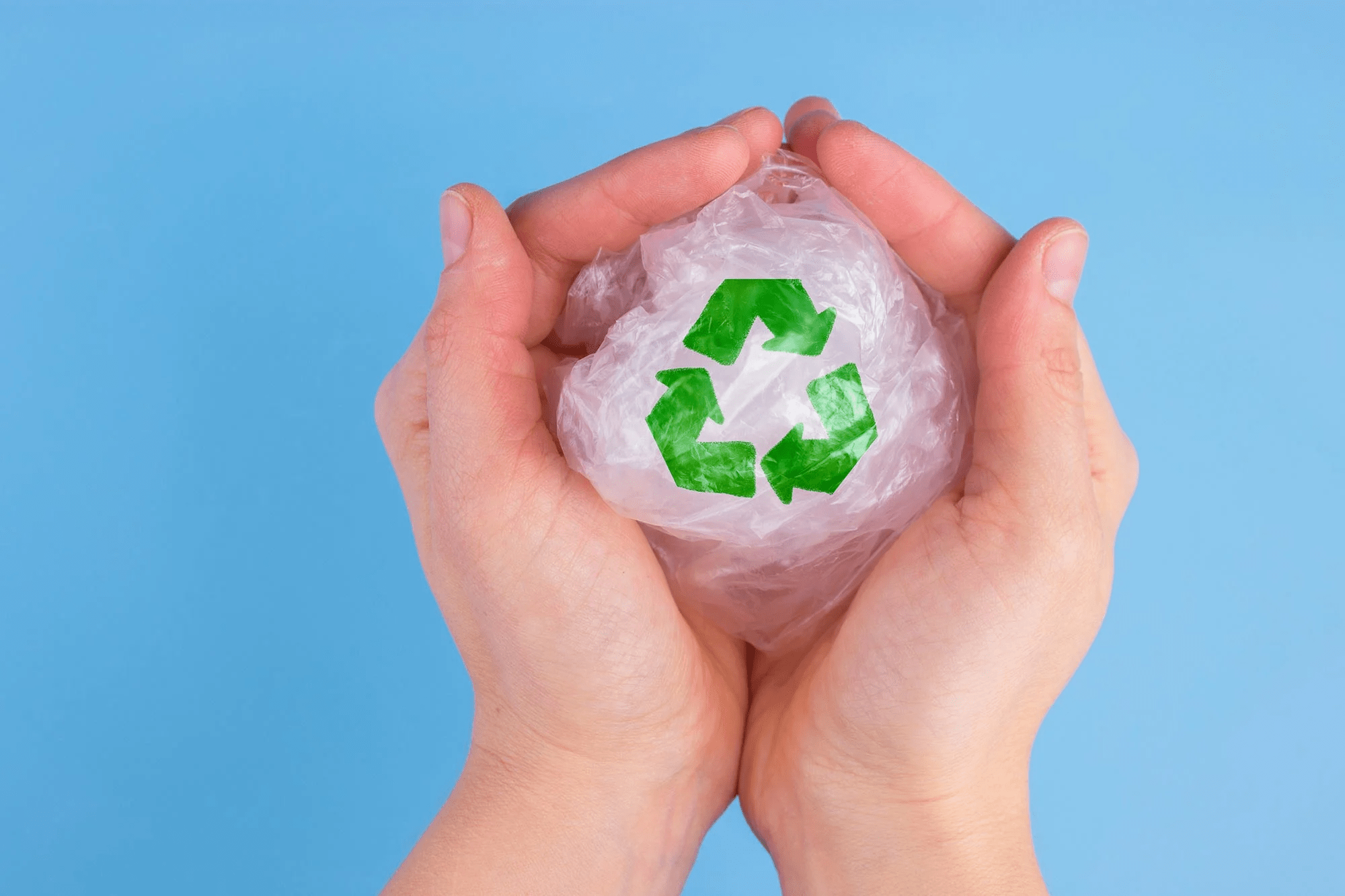
New Method Recycles Plastic into Valuable Chemicals and Clean Energy

A German research team has developed an iron-catalyzed, solar-powered method to break down polystyrene plastic into valuable chemicals and clean hydrogen. This innovative process offers a solution to the growing problem of plastic pollution, particularly the recycling challenges posed by polystyrene, and supports clean energy production. The process not only reduces plastic waste but also promotes a circular economy by converting waste into usable industrial chemicals and renewable hydrogen, paving the way for more sustainable practices in both recycling and energy production.
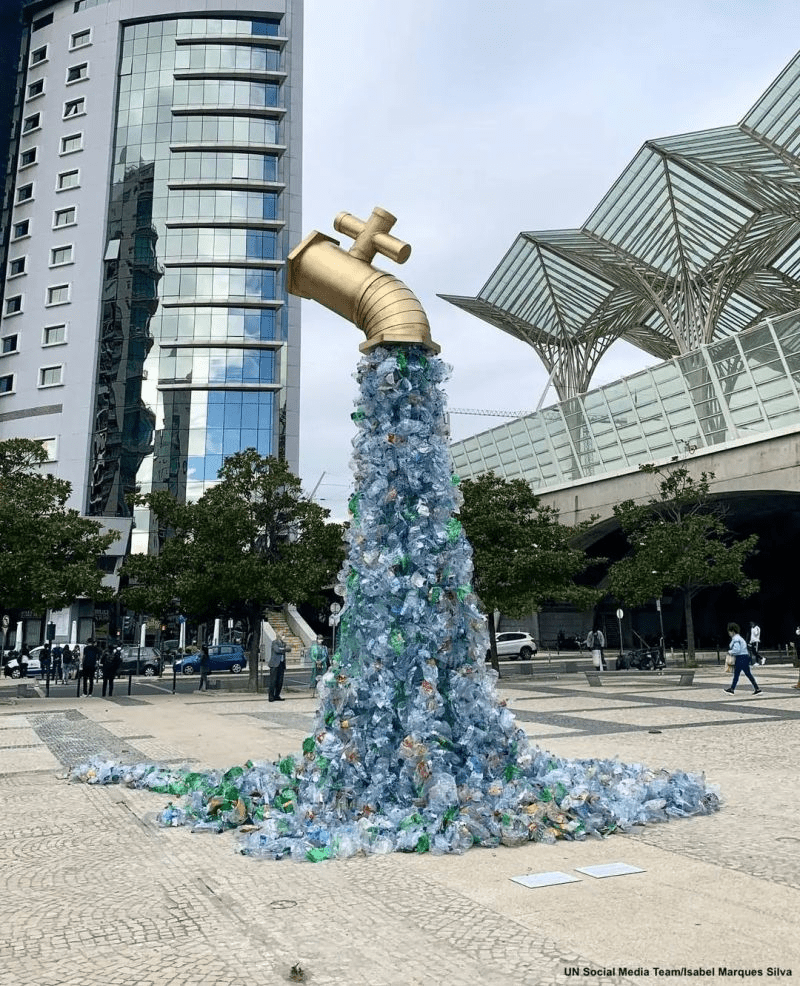
Choking on Plastic: The Global Crisis and the Call for a Treaty

Plastic pollution is everywhere—from our oceans to our bodies, even our blood. Each year, people may ingest up to 50 plastic bags’ worth of microplastics through food and water. This November, the UN has a historic chance to address this crisis by negotiating a global treaty to end plastic pollution. The treaty must be ambitious, enforceable, and equitable, tackling the issue from production to disposal. With public demand for change surging, the time for action is now. Let’s ensure that this opportunity is not wasted—for the planet and for future generations.

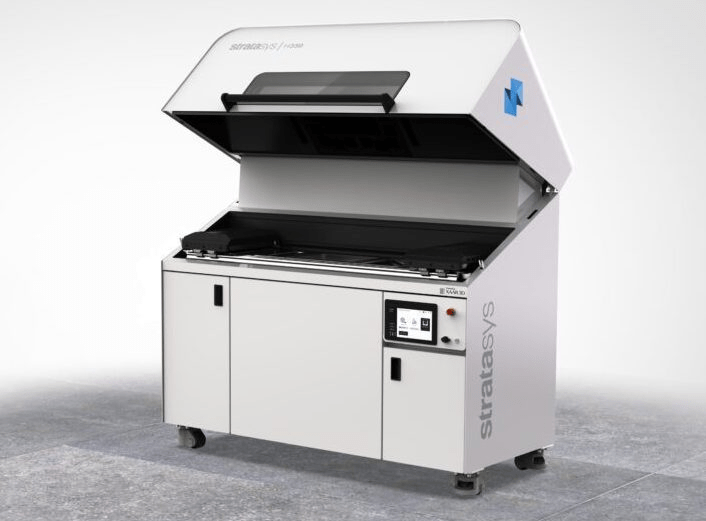
Stratasys Unveils SAF ReLife: Transforming Additive Manufacturing Waste into Valuable Parts

Stratasys’ SAF ReLife solution marks a major advancement in sustainable additive manufacturing by recycling waste powder into valuable parts. This approach not only reduces environmental impact but also slashes production costs, enhances efficiency, and aligns with circular economy principles. Early adopters like Wehl Green have already benefited from decreased costs and waste reduction, highlighting SAF ReLife’s real-world impact. By prioritizing innovations like SAF ReLife, Stratasys leads the charge in creating sustainable AM solutions, paving the way for an eco-friendly future in manufacturing.

EU’s Significant Climate Progress: A Step Towards a Sustainable Future

In a landmark year for climate action, the European Union has achieved substantial reductions in greenhouse gas emissions, marking a pivotal step towards a sustainable future. Emissions in the EU dropped by 8% in 2023, an impressive feat that echoes the early emissions decreases seen during the COVID-19 pandemic. This progress is largely driven by the rise in renewable energy sources, including solar and wind, and the phase-out of coal-fired power plants. Despite lingering challenges, particularly in the transportation and agriculture sectors, the EU is steadfast in its climate goals, embracing innovative solutions like electrification, circular economy principles, and carbon capture technologies to meet its targets. As the EU continues to lead on climate policy, the union’s comprehensive approach offers a hopeful blueprint for global climate resilience and sustainability.

Ain Department in France Embraces Green Gas: A Step Toward Energy Independence

The Ain department in France is leading an innovative project to produce biogas from agricultural waste, injecting it into the local gas grid. This initiative helps reduce carbon emissions and fosters energy independence, utilizing methane digesters installed on farms. The broader adoption of green gas worldwide could play a critical role in reducing fossil fuel reliance and supporting sustainable agricultural practices, with countries like Germany and Denmark already making significant strides. Green gas presents both opportunities and challenges, requiring supportive policies, investment, and technological advancement to unlock its full potential.

Free Worldwide shipping

On orders dispatched and delivered within the same country.

Easy 30 days returns

30 days money back guarantee

International Warranty

Offered in the country of usage

100% Secure Checkout

PayPal / MasterCard / Visa