

Could a pinch of salt end the microplastic crisis? 🧂
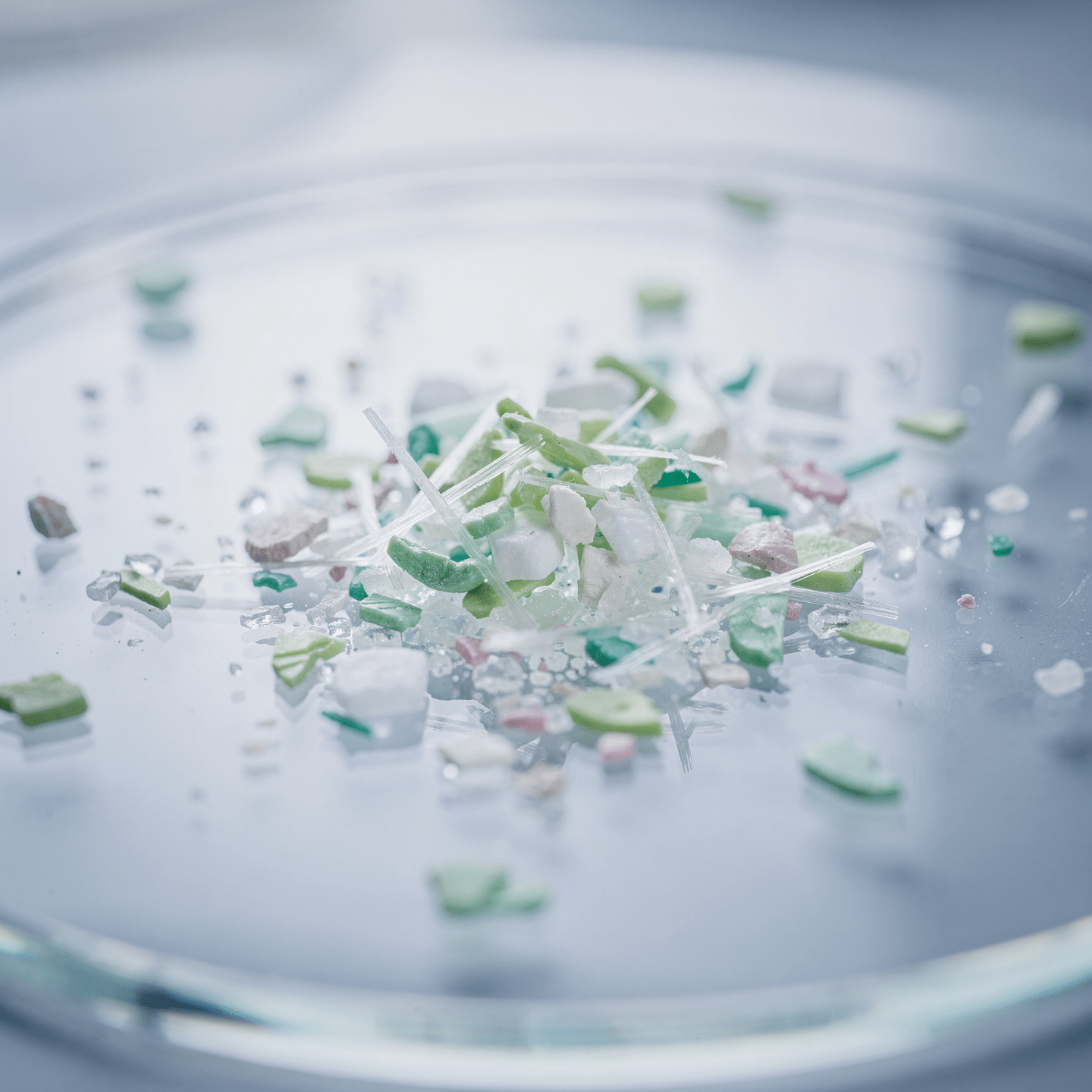
Discover the definitive guide to the RIKEN Center’s groundbreaking “supramolecular” plastic. This isn’t just another bioplastic—it is a total reimagining of material science. Published in early 2026, this report details a new class of transparent, high-strength polymers held together by reversible salt bridges that literally “unpack” and disappear when they hit seawater.
Inside This Digital Innovation Report
- 🧪 The Science of “Salt Bridges”: How ionic assembly replaces permanent covalent bonds, allowing plastic to dissolve via ion exchange in the ocean.
- 🇯🇵 The RIKEN Breakthrough: Exclusive insights into Takuzo Aida’s research and the move from lab-scale miracles to industrial pilot programs.
- 🏗️ Tunable Performance: Learn how adjusting salt content creates everything from Glass-Like Rigidity to Rubber-Band Stretch.
- 📉 Economic Disruption: Why this material eliminates the “green premium” by using inexpensive, food-safe components like cellulose and choline chloride.
- ⏱️ The Dissolution Timeline: Detailed comparisons showing why this material succeeds where PLA and PET fail in cold marine environments.
Key Features of the Supramolecular Era
- 🚫 Zero Microplastics: Breaks down into harmless, non-toxic components that marine bacteria can safely digest.
- 🥗 Edible Ingredients: Crafted from renewable wood pulp and edible salts—safe for the planet and human health.
- 🏭 Seamless Integration: Compatible with existing manufacturing equipment, allowing a “drop-in” transition for packaging firms.
- 🩺 Medical & Food Safe: FDA-compliant materials suitable for everything from surgical implants to grocery wraps.
Comparative Environmental Performance
| Material Type | Persistence in Seawater | Industrial Composting? | Toxicity |
| Traditional PET | 450+ Years | No | High (Leachates) |
| Standard Bioplastic | 50+ Years (In sea) | Yes (Required) | Moderate |
| Salt-Based Plastic | 14 – 30 Days | No (Self-Dissolving) | None (Food Safe) |
The “Green-Collar” Opportunity 💼
For our community of innovators and developers, this report outlines the Circular Supply Chain opportunities of 2026. From “Digital Product Passports” to the engineering of ultra-thin films for medical devices, the transition away from petroleum-based polymers represents the single largest market disruption in the materials sector this decade.
“We are no longer just managing waste; we are designing waste out of the system entirely. The materials of the future will be strong when we need them, and invisible when we don’t.”
Product Summary
- Format: High-resolution PDF Digital Download
- Release Date: January 2026
- Target Audience: Ecological Innovators, Supply Chain Managers, Sustainable Investors, and Policy Makers.
- Includes: Technical schematics, industrial adoption timelines, and a Call to Action for “Sea-Safe” certification.