Biomanufacturing using chemically synthesized sugars enables sustainable supply of sugar without competing with food

In the quest for sustainable industrial practices, the realm of biomanufacturing has emerged as a beacon of promise, offering eco-conscious alternatives to conventional methods. However, the reliance on biomass sugars, particularly sourced from agricultural staples like corn, has precipitated formidable challenges, chief among them being the competition with food production. The burgeoning demand for fuels and chemical products exacerbates this strain, prompting concerns about the sustainability and ethical implications of further expanding agricultural processes. In a watershed study recently published in ChemBioChem, a consortium of researchers from Osaka University, in collaboration with esteemed partners, has unveiled a paradigm-shifting approach to biomanufacturing. Their groundbreaking methodology, underpinned by the utilization of chemically synthesized non-natural sugars, promises to revolutionize the landscape of industrial production by circumventing traditional resource constraints. This innovative approach not only addresses the pressing issue of food competition but also offers a glimpse into a future where industrial processes can thrive without imposing undue burdens on agricultural systems.

Beyond Human Limits: Can AI Crack the Mysteries of the Universe?

In the ever-expanding quest to grasp the intricacies of the cosmos, the emergence of artificial intelligence (AI) stands as a beacon of hope, offering unprecedented opportunities to transcend human limitations. With its capacity to swiftly analyze massive datasets, recognize intricate patterns, and even simulate complex phenomena, AI has become an invaluable tool in the realm of astrophysics and cosmology. From deciphering the enigmatic nature of dark matter to unraveling the mysteries surrounding the origins of the universe, AI is poised to revolutionize our understanding of the cosmos. However, amidst the excitement, we must also confront the inherent challenges and limitations of AI in this domain. The sheer complexity of cosmic data presents formidable obstacles, while the interpretation of results and the generation of novel hypotheses remain tasks that elude purely algorithmic approaches. Thus, while AI holds tremendous promise in cracking the mysteries of the universe, its true potential lies in collaboration—a fusion of human intuition with machine intelligence—to navigate the vast expanses of cosmic inquiry.

A new design for quantum computers

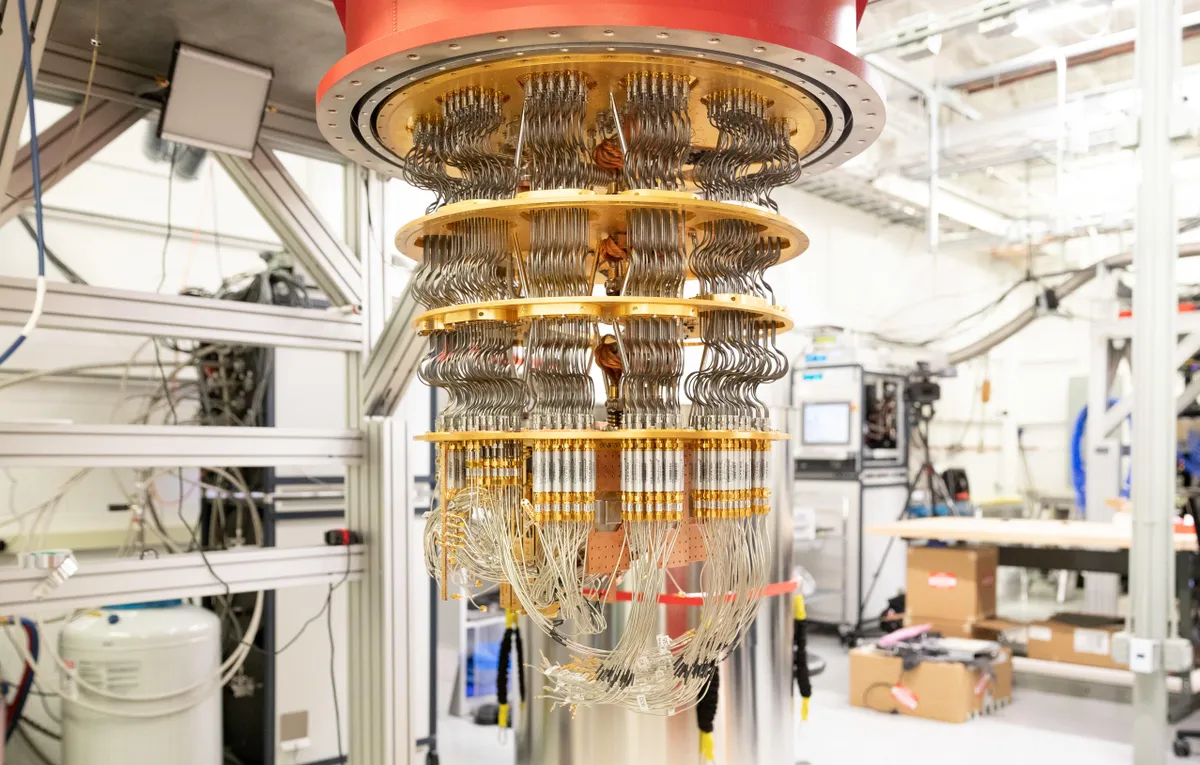
In the ever-expanding vista of scientific exploration, few pursuits hold as much promise and intrigue as the quest for quantum supremacy. At the nexus of this scientific odyssey lies the formidable challenge of crafting a quantum computer potent enough to decipher the enigmatic complexities of the universe. Quantum physicist Natalia Chepiga, hailing from the esteemed Delft University of Technology, emerges as a trailblazing figure in this realm, poised to redefine the boundaries of quantum computing with her pioneering research on quantum simulators. As we delve deeper into the intricacies of Chepiga’s work, we unravel a tapestry of innovation and insight, poised to reshape our understanding of the cosmos.

Unveiling Mimas’ Hidden Secret: A Youthful Ocean Beneath Saturn’s Tiny Moon

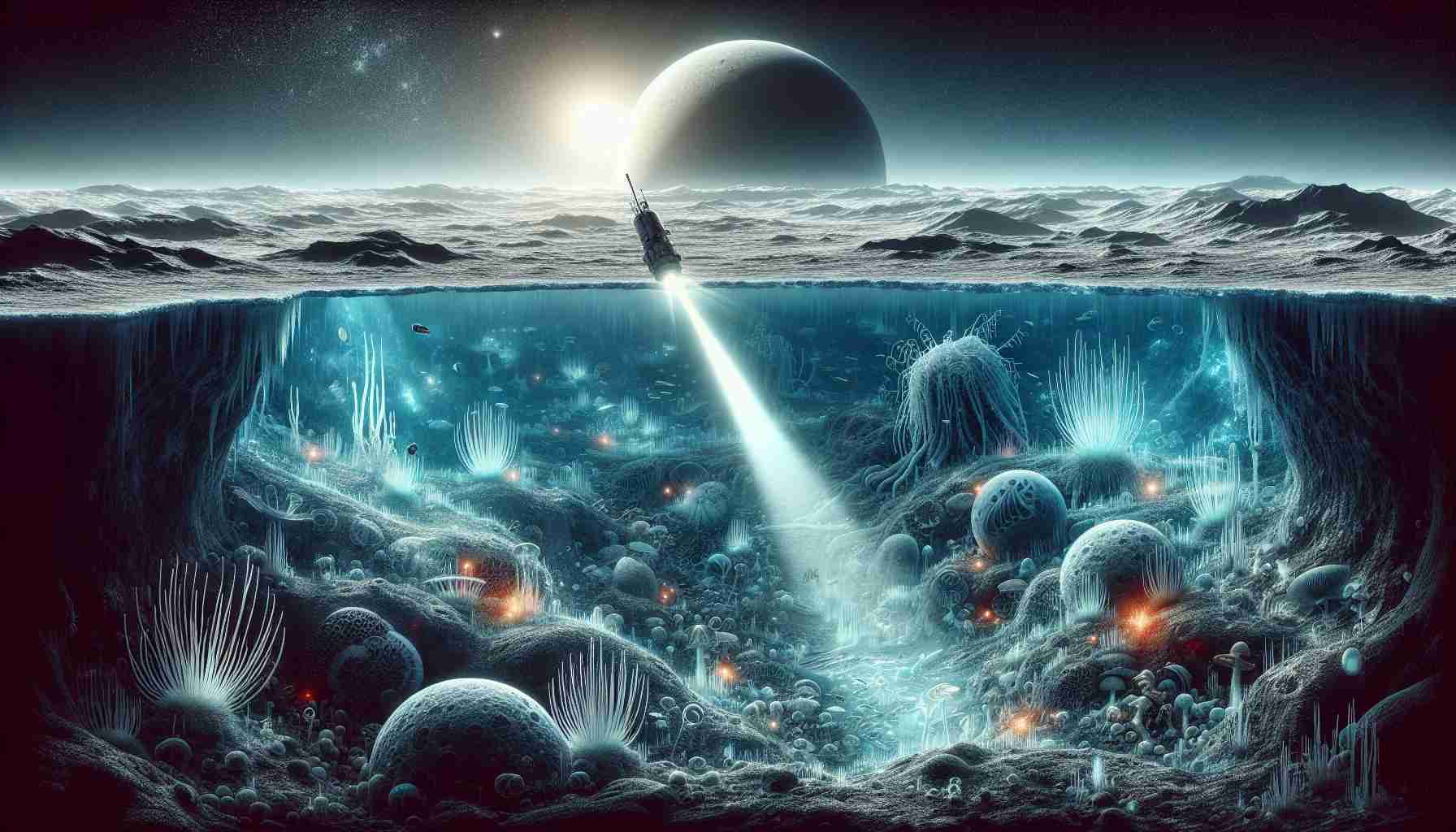
In the vast expanse of our Solar System, amidst the rings and moons of Saturn, a small celestial body harbors a profound secret: Mimas, one of Saturn’s smallest moons, hides beneath its cratered exterior a vast, global ocean of liquid water. This revelation, spearheaded by Dr. Valéry Lainey of the Observatoire de Paris-PSL and unveiled in the renowned pages of Nature, not only reshapes our understanding of Mimas but also ignites speculation about the potential for life beyond Earth. The discovery of this youthful ocean, believed to have formed a mere 5 to 15 million years ago, casts Mimas in a new light, positioning it as a captivating enigma awaiting further exploration and investigation.

Embarking on a Cosmic Odyssey: Illuminating the Enigmatic Depths of Dark Matter

In the remote reaches of Antarctica, where the icy winds whisper secrets of the universe and the polar night stretches endlessly, stands a bastion of human ingenuity and scientific exploration: the South Pole Telescope. Over the span of more than five years, this remote outpost has served as a beacon of cosmic inquiry, its solitary silhouette against the frozen horizon symbolizing humanity’s relentless quest to unravel the mysteries of the cosmos. Here, amidst the desolate beauty of the southern continent, scientists have undertaken a monumental endeavor – a quest to probe the deepest recesses of space and time in search of answers to the most profound questions that have captivated the human imagination for millennia.

Machines that Marvel: How AI is Revolutionizing Scientific Discovery

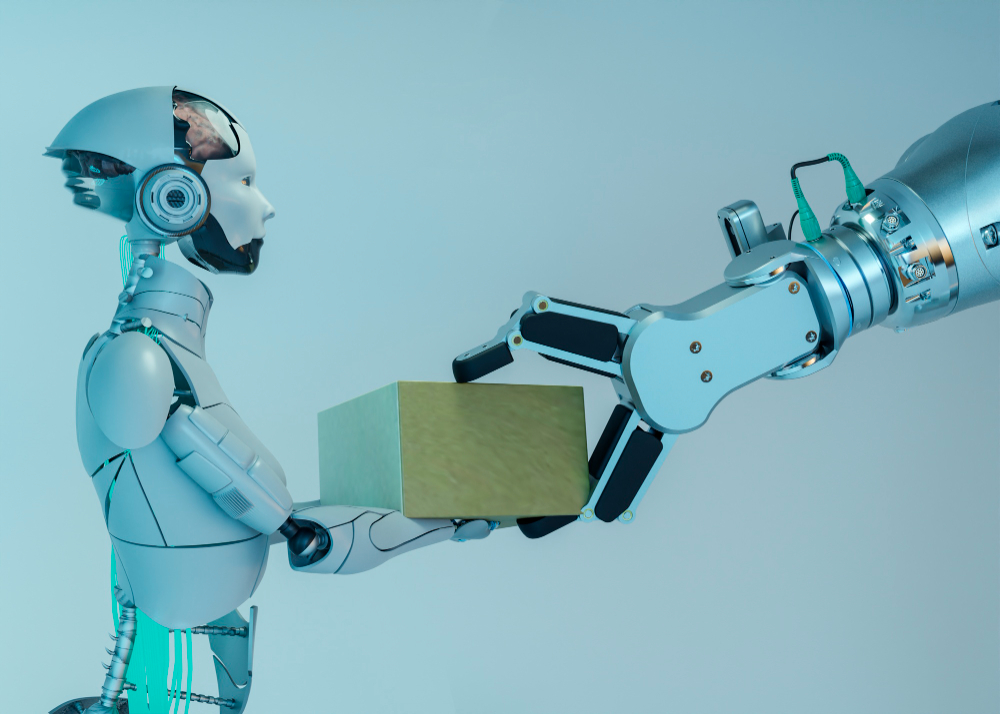
Artificial intelligence (AI) is reshaping scientific discovery by revolutionizing research methodologies across disciplines. Its capacity to process extensive data and discern intricate patterns has propelled advancements in drug discovery and astrophysics, among other fields. In drug discovery, AI expedites candidate identification by swiftly analyzing molecular datasets, leading to the rapid development of novel treatments. Similarly, in astrophysics, AI aids researchers in analyzing vast astronomical datasets, unveiling hidden phenomena, and advancing our understanding of the cosmos. This collaboration between AI and human researchers promises groundbreaking discoveries that were previously unimaginable, underscoring the transformative impact of AI on scientific exploration.

Free Worldwide shipping

On orders dispatched and delivered within the same country.

Easy 30 days returns

30 days money back guarantee

International Warranty

Offered in the country of usage

100% Secure Checkout

PayPal / MasterCard / Visa