A groundbreaking study conducted by scientists at the University of Surrey and Southeast University in China suggests that the key to mitigating the ‘urban heat island’ effect may lie in the countryside.


A groundbreaking study conducted by scientists at the University of Surrey and Southeast University in China suggests that the key to mitigating the ‘urban heat island’ effect may lie in the countryside.

Researchers at Newcastle University have developed a groundbreaking membrane technology that uses ambient energy to extract carbon dioxide from the air. This innovation addresses the pressing need for efficient carbon capture methods, given the significant role of CO2 in climate change.

5G technology promises significant improvements in energy efficiency compared to previous generations, but its true environmental impact hinges on its deployment and usage. From beamforming and infrastructure sharing to energy harvesting, these innovations offer pathways to a more sustainable future. However, challenges such as increased device production, e-waste, and data center energy consumption must be carefully managed to ensure 5G’s ecological benefits are fully realized.
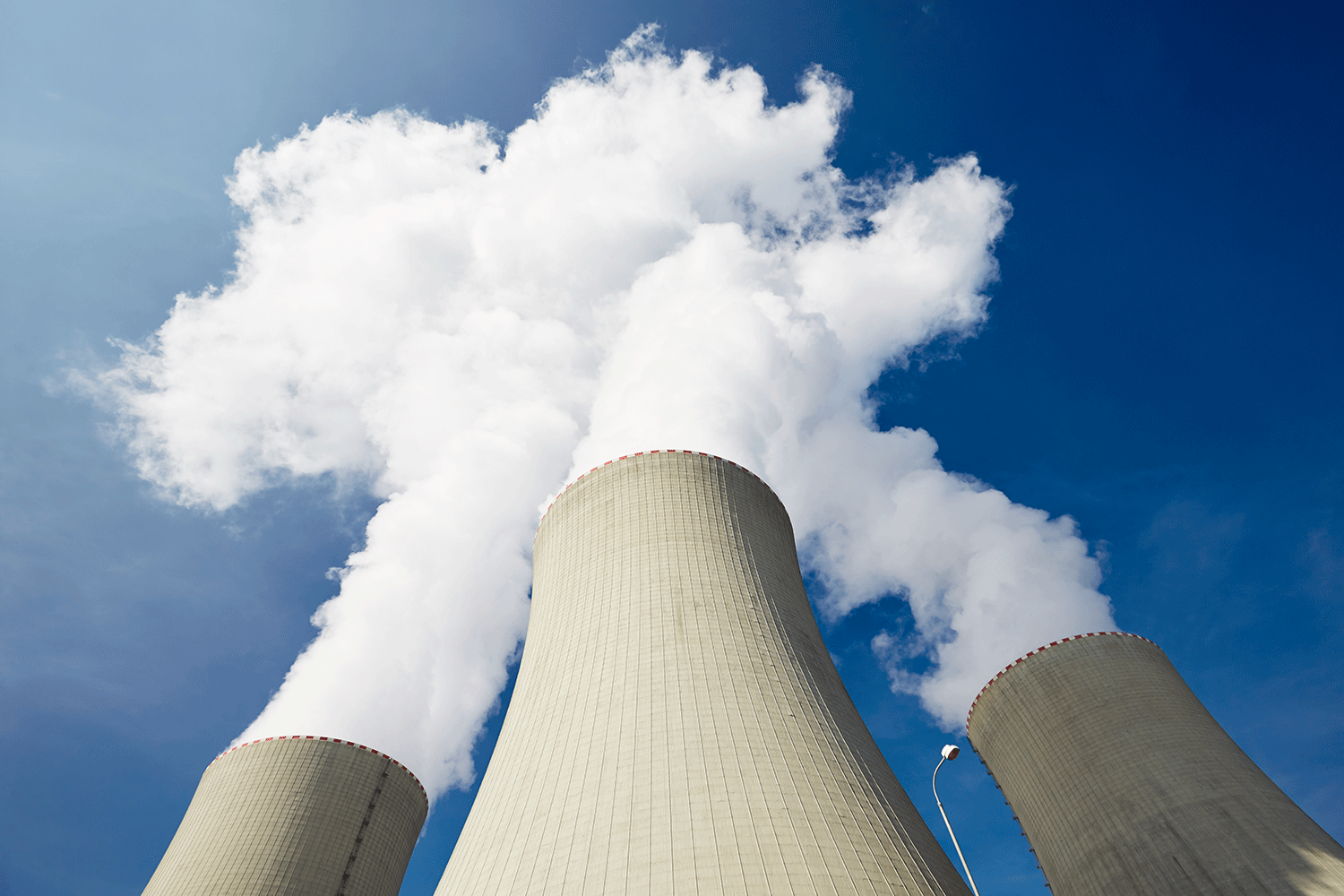
Nuclear power is emerging as a crucial element in the transition to a low-carbon energy system. With a global capacity of 396 gigawatts as of late 2023, and significant investments in new projects, nuclear energy offers substantial benefits in reducing greenhouse gas emissions and providing reliable baseload power. However, its widespread adoption faces challenges such as high construction costs, long lead times, and complex waste management issues. Addressing these challenges, investing in advanced technologies, and fostering international cooperation will be essential for nuclear power to contribute effectively to a sustainable energy future.

In 2023, global fossil fuel consumption reached new highs, with China and the United States responsible for nearly half of the total. Despite significant growth in renewable energy, fossil fuels still dominated the global energy mix, raising concerns about the environmental impact and the sustainability of current energy practices. As countries like China and India continue to expand their economies, balancing energy needs with ecological preservation remains a critical challenge.

The world was wrong to expect that climate change would trigger rapid and widespread desertification in the world’s arid lands. In fact, the reverse is happening. But it could be a similar folly to imagine that the dramatic greening now visible in satellite images across many of those same regions is a reason to declare their troubles over.