Fusion Energy: A Path to a Sustainable Future

Tokamak Energy’s new fusion pilot plant design could mark a significant breakthrough in clean energy production. With a capacity to generate 800 MW of fusion power and 85 MW of net electricity, this technology promises to power over 70,000 homes. Utilizing a high-field spherical tokamak and advanced superconducting magnets, the design represents a major step toward scalable, carbon-free fusion energy. By prioritizing increased investment, fostering collaborative partnerships, ensuring grid compatibility, and integrating fusion into decarbonization strategies, we can advance toward a sustainable energy future.

SoHyCal: Pioneering the Future of Renewable Hydrogen Production

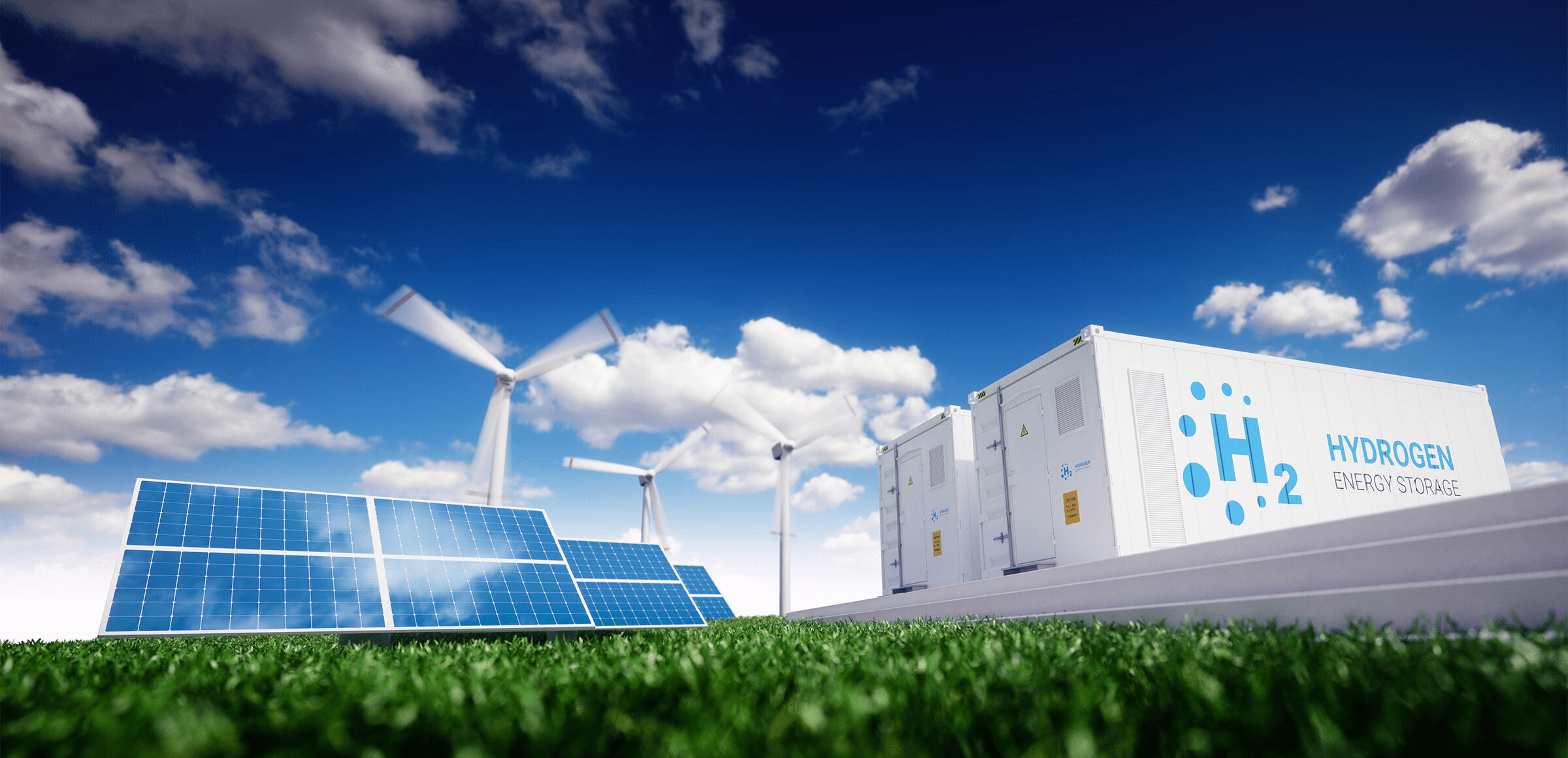
The SoHyCal project is a pioneering venture in renewable hydrogen production, utilizing cutting-edge technologies like electrolysis and biogas to create clean energy. Located in California, it aims to scale up operations by 2025, producing enough hydrogen to fuel thousands of vehicles and buses, significantly reducing greenhouse gas emissions. With robust support from the California Energy Commission, SoHyCal serves as a model for integrating hydrogen into the energy mix and advancing the global transition toward decarbonization.

Green Hydrogen Can’t Fully Decarbonize Cement Production: An In-Depth Look at Solutions

While green hydrogen presents a promising opportunity for reducing emissions in the cement industry, achieving substantial decarbonization requires a broader, multi-faceted approach. Key strategies include increasing the use of clinker alternatives like fly ash and calcined clay, improving energy efficiency through technological upgrades, and adopting carbon capture, utilization, and storage (CCUS) solutions. Additionally, ongoing research and development, alongside supportive government policies and incentives, will be essential to driving innovation and sustainable practices within the industry.

Rivian: A Leader in Electric Vehicle Innovation

Rivian Automotive is redefining the electric vehicle landscape with its innovative designs, off-road capabilities, and strong commitment to sustainability. By developing eco-friendly materials and advanced battery technology, Rivian’s R1T and R1S vehicles not only meet consumer demands for performance but also address environmental concerns. As the EV market grows, Rivian distinguishes itself from competitors like Tesla, Ford, and Lucid Motors by focusing on adventure-ready vehicles and a greener future.

Hydrogen Storage and Transportation: The Role of LOHC Technology in a Sustainable Energy Future

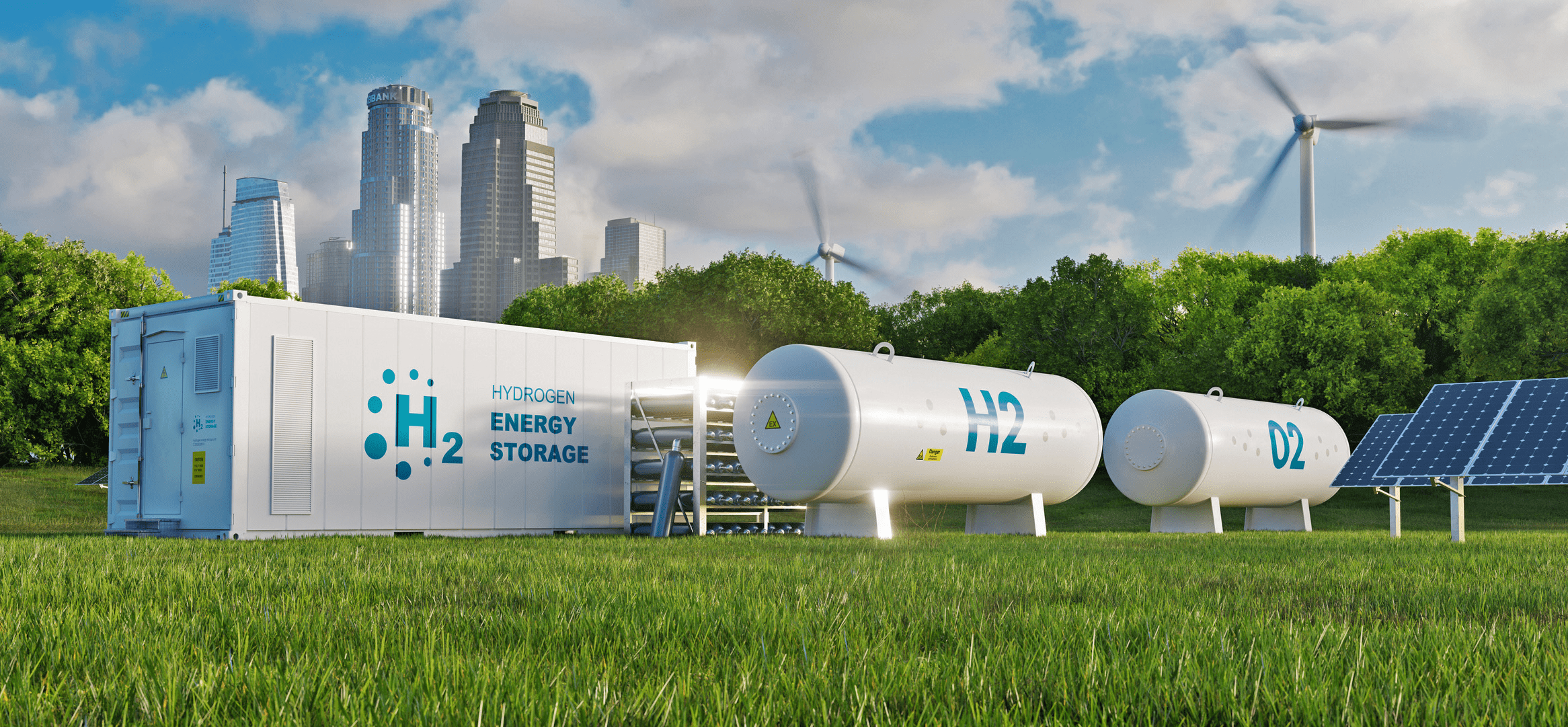
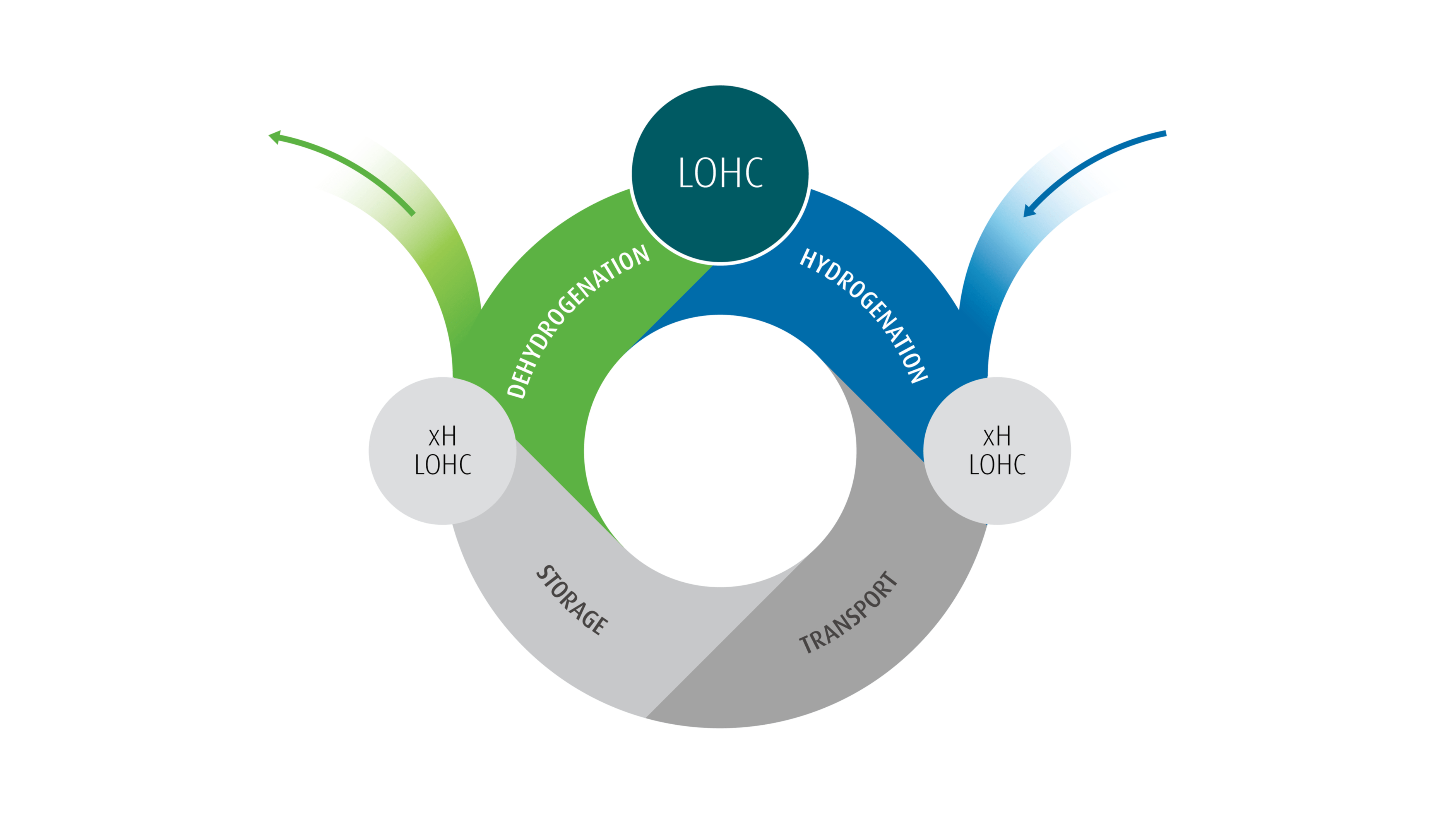
As the world transitions to cleaner energy, hydrogen is a promising alternative to fossil fuels. However, storing and transporting hydrogen is challenging due to its low density and the extreme conditions needed to keep it in liquid form. Traditional methods require high-pressure compression or cryogenic temperatures, which are costly and energy-intensive. LOHC technology (Liquid Organic Hydrogen Carriers) offers a solution by allowing hydrogen to be stored and transported safely at ambient temperatures and pressures. This innovation could revolutionize industries like shipping, heavy manufacturing, and transportation by making hydrogen more accessible and cost-effective, contributing to a sustainable energy future.

Free Worldwide shipping

On orders dispatched and delivered within the same country.

Easy 30 days returns

30 days money back guarantee

International Warranty

Offered in the country of usage

100% Secure Checkout

PayPal / MasterCard / Visa