Hydrogen Storage and Transportation: The Role of LOHC Technology in a Sustainable Energy Future

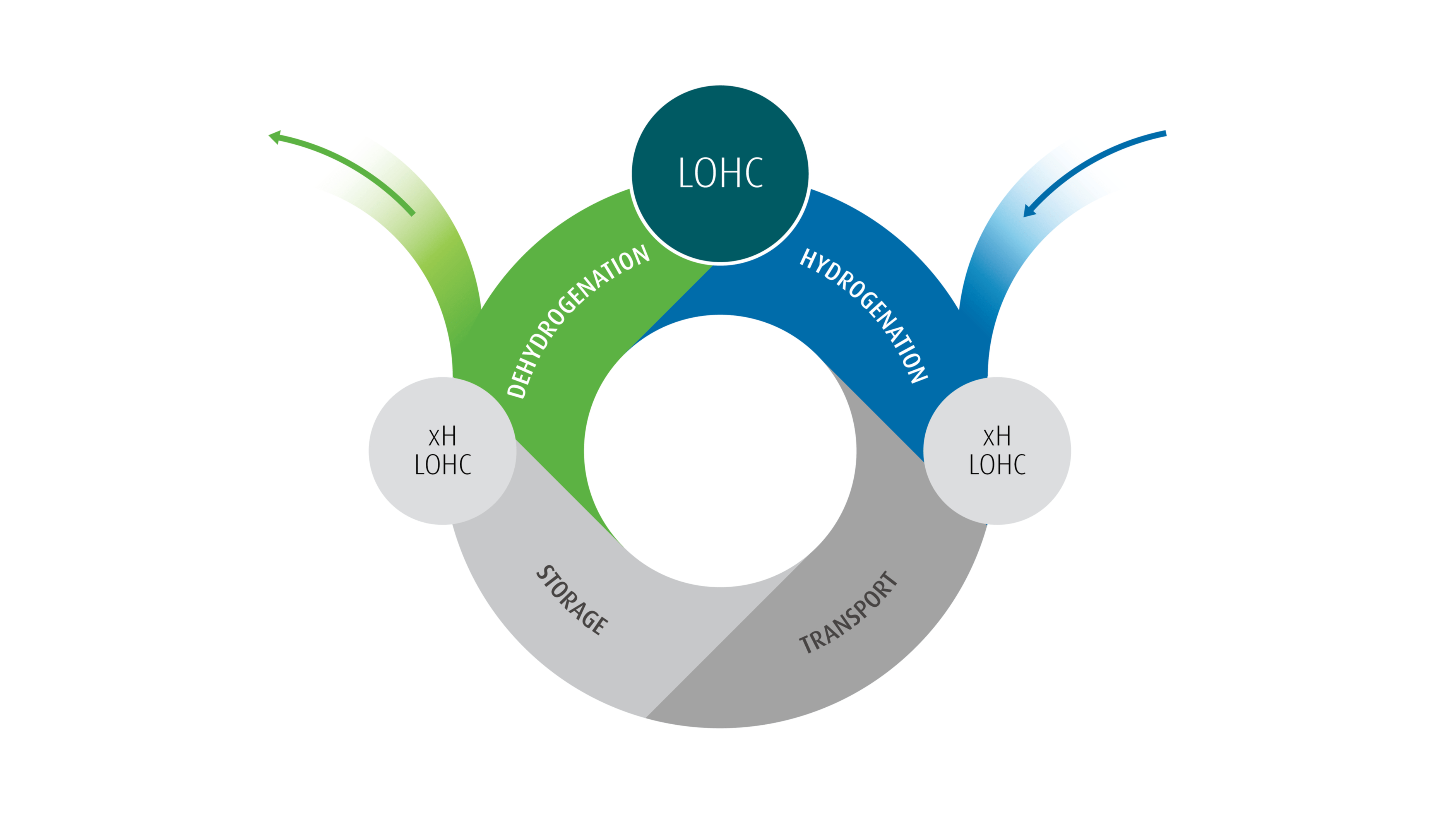
As the world transitions to cleaner energy, hydrogen is a promising alternative to fossil fuels. However, storing and transporting hydrogen is challenging due to its low density and the extreme conditions needed to keep it in liquid form. Traditional methods require high-pressure compression or cryogenic temperatures, which are costly and energy-intensive. LOHC technology (Liquid Organic Hydrogen Carriers) offers a solution by allowing hydrogen to be stored and transported safely at ambient temperatures and pressures. This innovation could revolutionize industries like shipping, heavy manufacturing, and transportation by making hydrogen more accessible and cost-effective, contributing to a sustainable energy future.
The Future of Sustainable Transport: Talgo’s High-Speed Hydrogen-Powered Trains

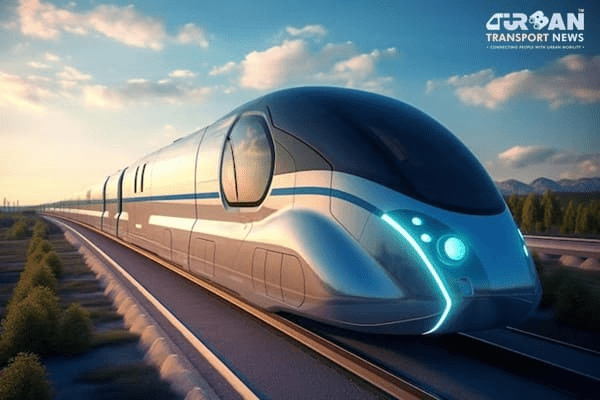
At an altitude of 2,900 meters above sea level, the effects of climate change are starkly visible. The ski station has resorted to using plastic sheeting to preserve snow, illustrating the need for more sustainable solutions. Meanwhile, the transportation sector is seeing promising innovations like Talgo’s hydrogen-powered trains, or hydrail. This technology eliminates the need for overhead wires and significantly cuts carbon emissions, providing a potential game-changer in the fight against climate change. However, challenges such as hydrogen infrastructure costs and storage efficiency must be addressed before widespread implementation can take place. Governments and industries need to work together to overcome these obstacles, invest in hydrogen production, and build the necessary infrastructure.

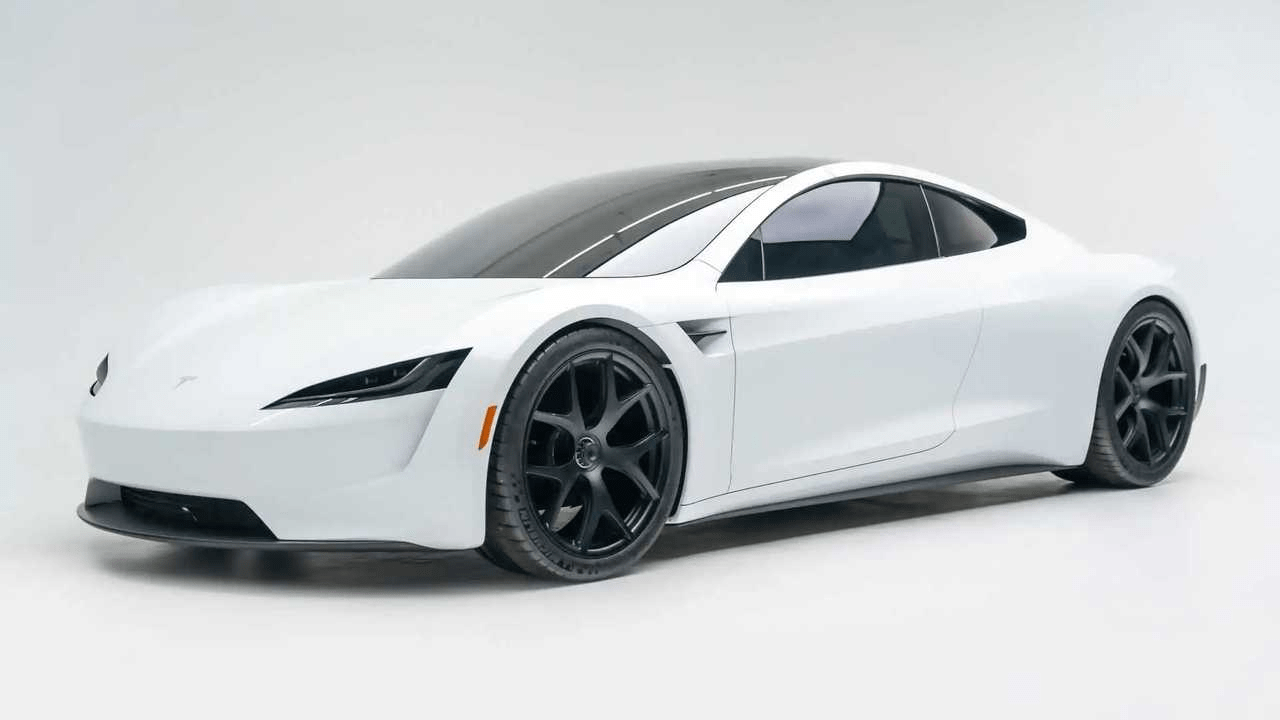
Tesla: A Balancing Act Between Clean Energy and Production Footprint

Tesla stands at the forefront of the electric vehicle revolution, celebrated for its significant role in reducing carbon emissions through clean energy products. While its electric vehicles (EVs) and renewable energy solutions represent a transformative step towards sustainability, the environmental footprint of the production process, particularly in battery manufacturing, raises important concerns. This article explores Tesla’s dual commitment to innovation and sustainability, examining its efforts to mitigate the environmental impacts of its manufacturing processes while enhancing its contributions to a greener future.

Top eCommerce Trends for 2024: What Businesses Need to Know

As the eCommerce landscape continues to evolve, 2024 brings new trends that retailers must embrace to stay competitive. From personalization and omnichannel experiences to the rise of social and voice commerce, businesses will need to leverage technology and customer insights. Subscription models and sustainability will also play key roles, driving convenience and meeting eco-conscious consumer demands. Staying agile and innovative will be essential for success in this dynamic market.

Floating Solar Power Plants: A New Horizon for Renewable Energy in Extreme Marine Conditions

The development of XolarSurf, a floating solar power plant by Italian startup Saipem, offers a groundbreaking solution to the challenges of clean energy production in extreme marine environments. By harnessing solar energy on the ocean’s surface, XolarSurf presents a promising path forward for regions with limited land space or harsh weather conditions. However, challenges like high initial costs, maintenance in corrosive saltwater, and potential environmental impacts on marine ecosystems remain. With collaboration between governments, the private sector, and international bodies, floating solar technology can play a crucial role in reducing our dependence on fossil fuels and securing a sustainable future for humankind.

Cheapest and Most Expensive Countries for EV Charging in Europe: Understanding the Challenges and Opportunities for Renewable Energy

The disparity in EV charging costs across Europe highlights not just economic differences but also the broader challenges of renewable energy integration. Iceland and Portugal lead with the cheapest charging rates, while Norway and Slovenia face the highest costs. As countries push for EV adoption, expanding charging infrastructure and integrating renewable energy are crucial. However, challenges such as grid instability, high upfront costs for renewables, and political hurdles make this transition complex. With the right policies, Europe can overcome these obstacles and pave the way for a cleaner, more sustainable future.

Free Worldwide shipping

On orders dispatched and delivered within the same country.

Easy 30 days returns

30 days money back guarantee

International Warranty

Offered in the country of usage

100% Secure Checkout

PayPal / MasterCard / Visa