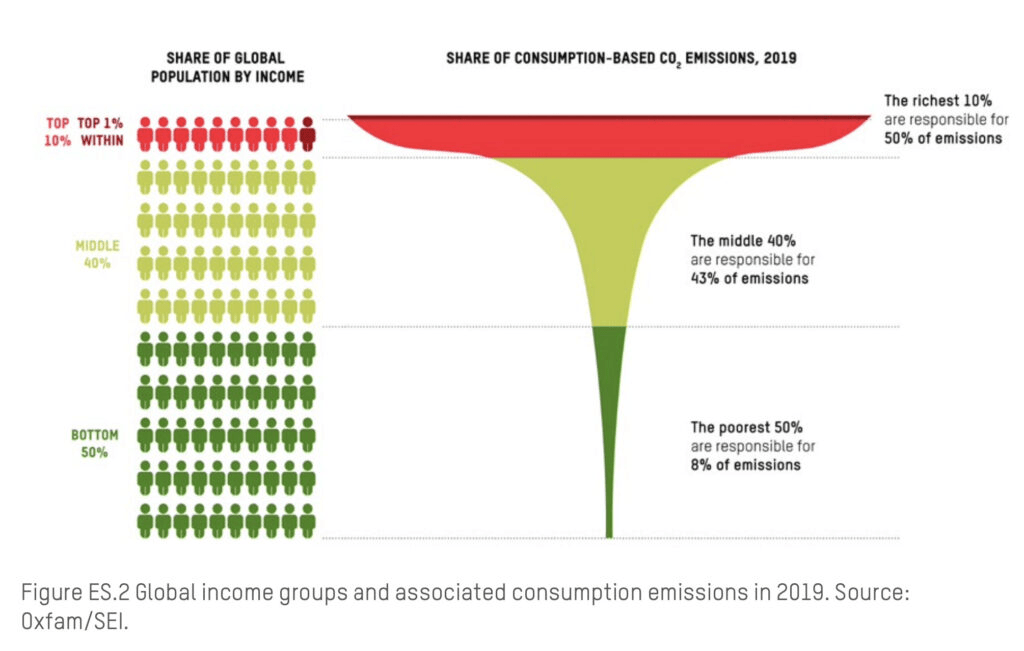
Billionaires and Their Carbon Budgets: Unpacking Oxfam’s Alarming Report

Solutions like carbon taxes on luxury emissions, a climate wealth tax, and incentives for green investments could help redirect the ultra-wealthy towards more sustainable practices and investments, fostering accountability and lowering high emissions associated with billionaire lifestyles.

High Pesticide Use in Costa Rica: A Call for Sustainable Farming

To effectively implement agroecological practices in Costa Rica, several targeted actions can be undertaken. Government support is crucial, including providing financial incentives and training for farmers transitioning away from chemical pesticides. Consumer education through clear labeling and awareness campaigns can drive demand for sustainable products. Market development, such as encouraging certifications and supporting local initiatives, enhances the viability of agroecological practices. Additionally, fostering public-private partnerships and platforms for farmer-to-farmer knowledge sharing promotes collaboration and successful implementation of these methods.

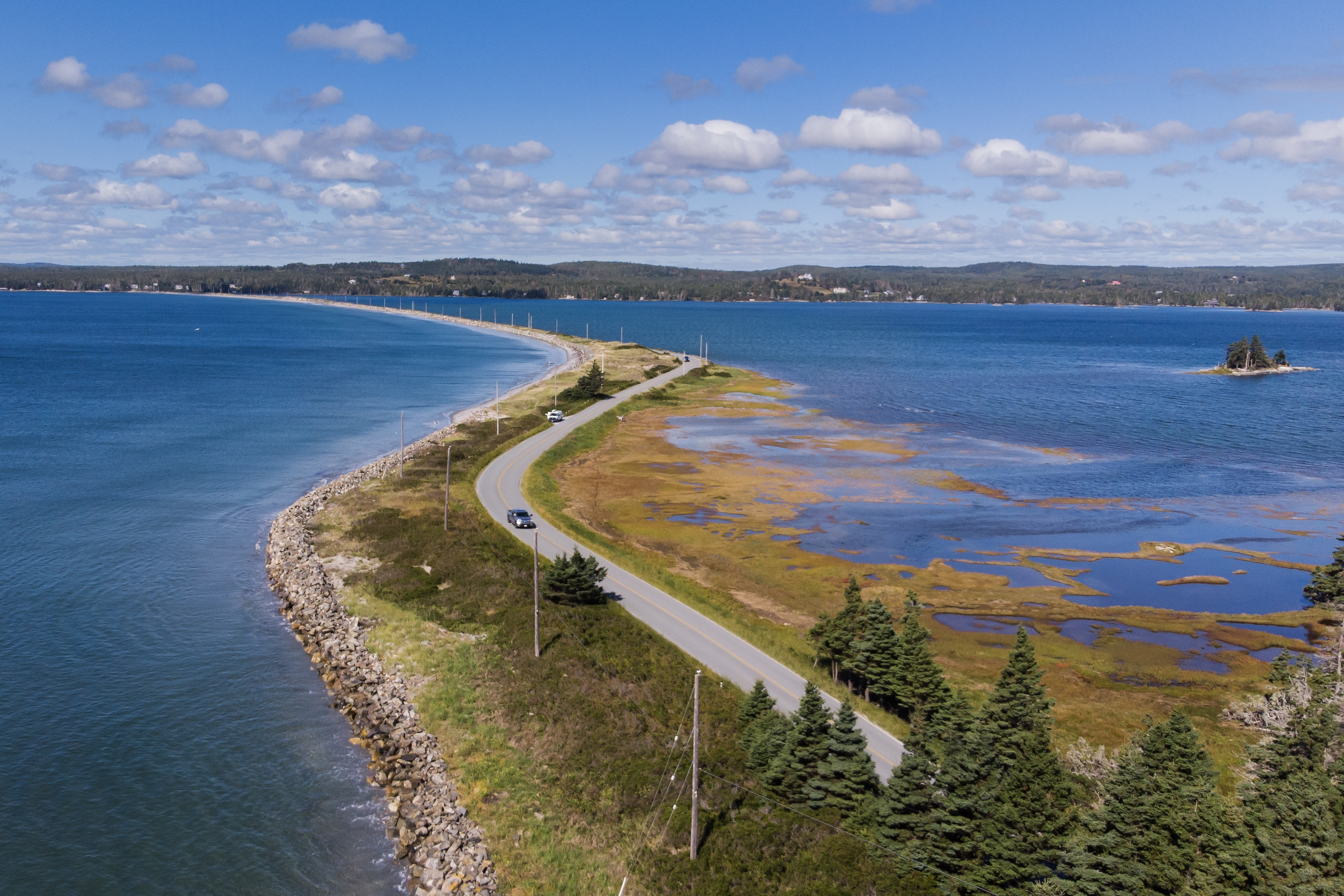
With Coastal Development Regulations Gone, Nova Scotia’s Communities Must Face Rising Seas on Their Own Terms

The recent easing of coastal development regulations in Nova Scotia has left local communities to navigate the challenges posed by rising sea levels. Without strict oversight, the responsibility for managing climate-related risks has shifted to homeowners and municipalities. As they face increased vulnerability, environmental degradation, and economic consequences, Nova Scotia’s communities must choose wisely how to approach development and consider strategies for resilience.

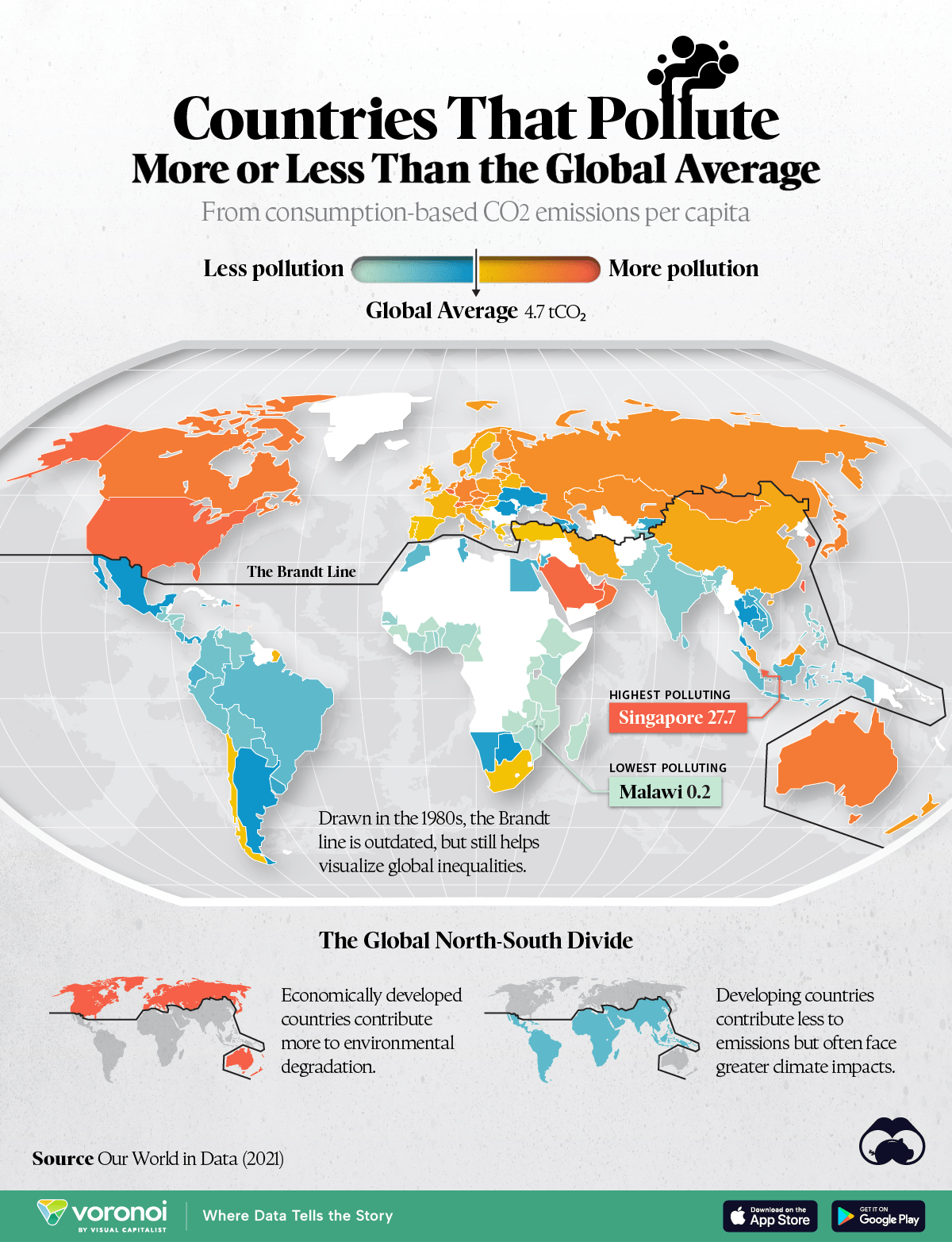
Reducing Sustainability and Waste Impacts Through Carbon Emissions by Country

This article delves into the disparities between countries in consumption-based carbon emissions per capita and explores the solutions various nations can implement to reduce their sustainability and waste impact. From solar energy projects in Qatar and Singapore to circular economies in the U.S. and conservation efforts in Brunei, countries across the globe are taking unique paths to address their environmental footprints.

Fusion Energy: A Path to a Sustainable Future

Tokamak Energy’s new fusion pilot plant design could mark a significant breakthrough in clean energy production. With a capacity to generate 800 MW of fusion power and 85 MW of net electricity, this technology promises to power over 70,000 homes. Utilizing a high-field spherical tokamak and advanced superconducting magnets, the design represents a major step toward scalable, carbon-free fusion energy. By prioritizing increased investment, fostering collaborative partnerships, ensuring grid compatibility, and integrating fusion into decarbonization strategies, we can advance toward a sustainable energy future.

2024: A Year of Climate Extremes

The year 2024 brought a stark wake-up call with unprecedented climate events—record heatwaves, raging wildfires, and devastating floods. As the impacts of global warming grow, urgent and coordinated actions such as renewable energy adoption, climate resilience efforts, and global cooperation are crucial to prevent further devastation.

Free Worldwide shipping

On orders dispatched and delivered within the same country.

Easy 30 days returns

30 days money back guarantee

International Warranty

Offered in the country of usage

100% Secure Checkout

PayPal / MasterCard / Visa