Artificial Intelligence (AI) is no longer a futuristic concept confined to the realms of science fiction. Today, it is a transformative force reshaping various industries, with Information Technology (IT) being at the forefront of this revolution.


Artificial Intelligence (AI) is no longer a futuristic concept confined to the realms of science fiction. Today, it is a transformative force reshaping various industries, with Information Technology (IT) being at the forefront of this revolution.
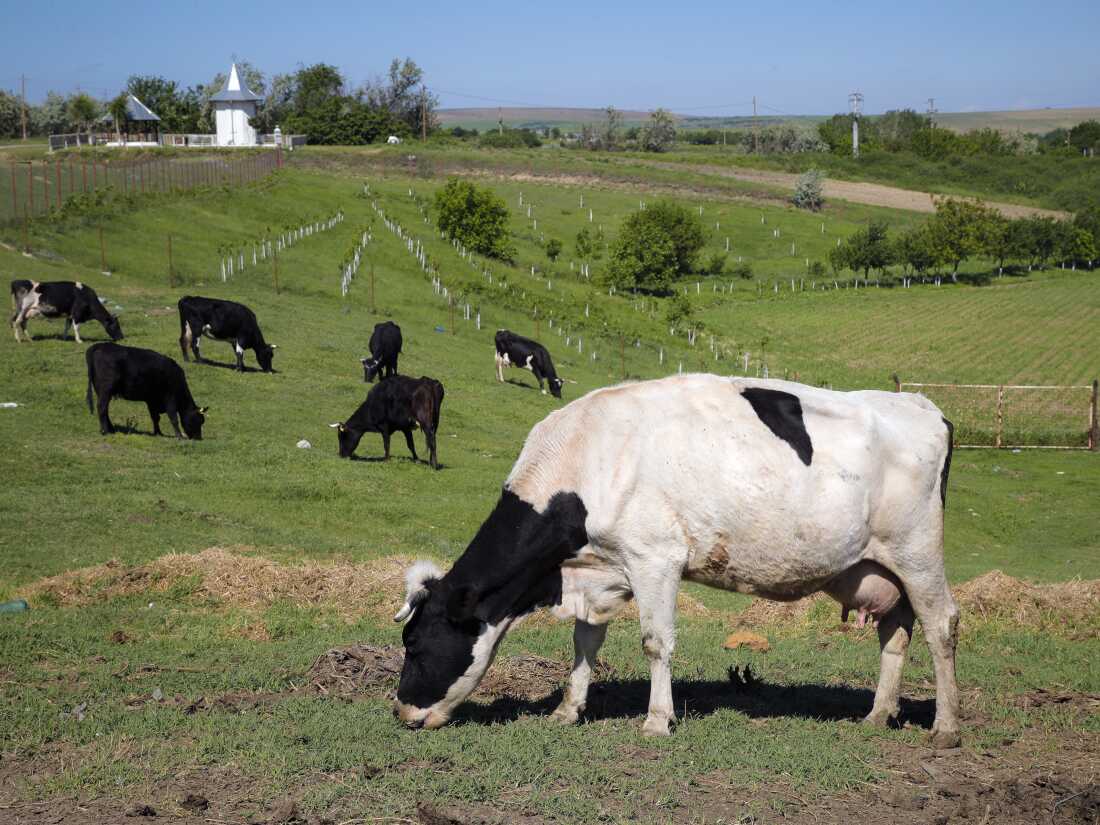
Denmark will begin taxing livestock farmers for the greenhouse gases emitted by their cows, sheep, and pigs starting in 2030

Macquarie University researchers, in collaboration with the University of Melbourne, have developed a simple and effective method to help endangered frogs survive the devastating impacts of chytridiomycosis, a fungal disease that threatens multiple amphibian species globally.
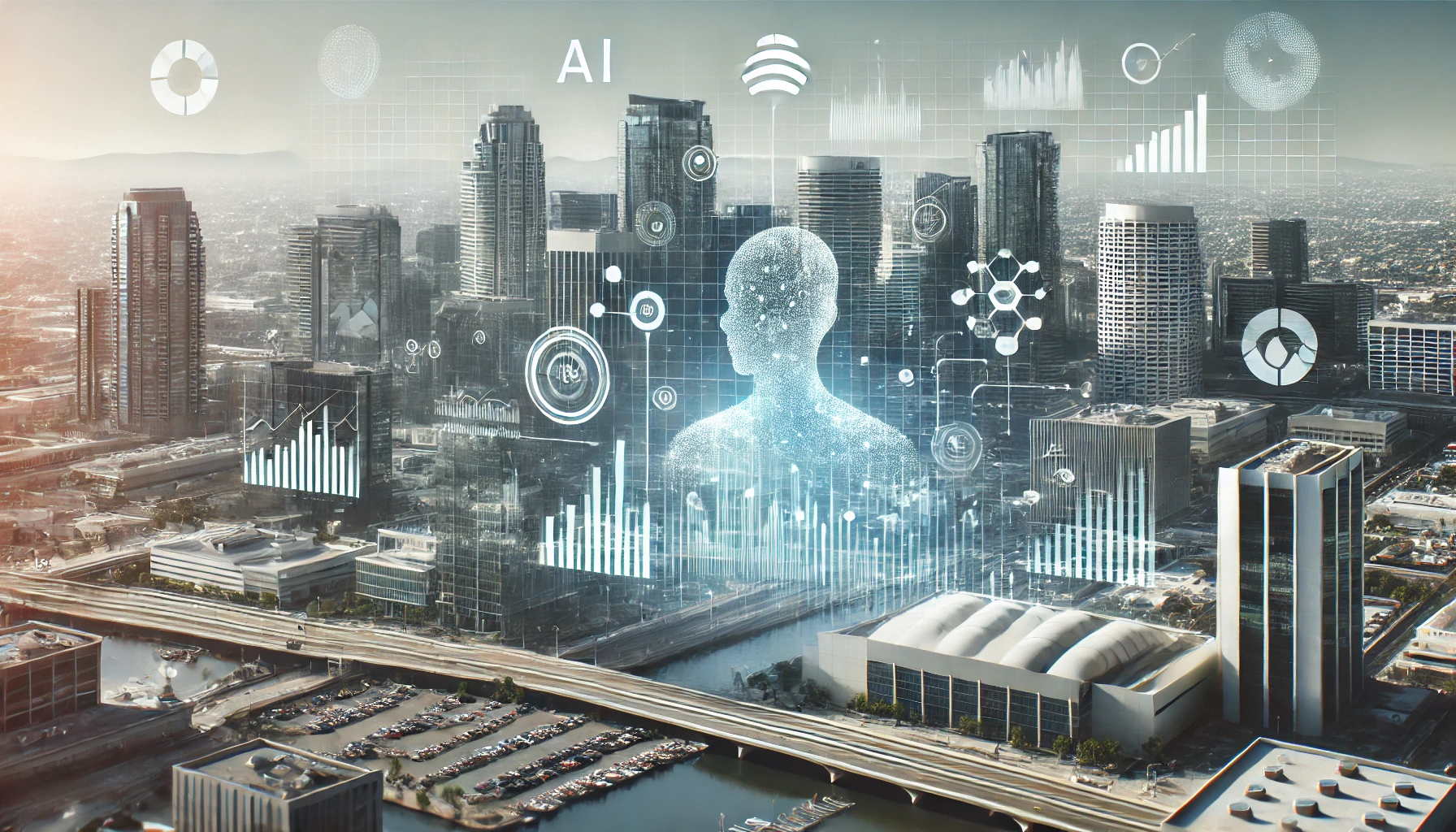
Discover how AI is revolutionizing predictive analytics, enhancing accuracy, efficiency, and real-time decision-making. Explore the benefits, challenges, and future trends in this transformative field.

To convert sunlight into electricity or other forms of energy as efficiently as possible, the very first step is an efficient light-harvesting system.
In a groundbreaking collaboration between Oregon State University’s College of Engineering and researchers at Adobe, Eric Slyman, a doctoral student, has spearheaded a pioneering approach to revolutionize the training of artificial intelligence (AI) systems