
The Exergue: Where Faith Meets the Forest
Can a place be both ancient and pioneering? In the southwest of France, the rugged peaks of the Pyrenees provide more than just a backdrop; they are the source of an exceptional vitality that pulses through the entire region. From the miraculous, mineral-rich waters of the Grotto of Massabielle, which have drawn seekers of healing for nearly two centuries, to the high-tech, hydrogen-powered laboratories of Toulouse where the future of carbon-neutral flight is being forged, a new narrative is emerging.
This journey from the spiritual to the scientific reveals a profound synergy: the realization that the protection of the “Source”—whether it be the purity of a mountain spring or the integrity of our atmosphere—is the ultimate act of faith in our future. It is here, where the Pyrenean mist meets the cutting-edge of aerospace innovation, that we find a blueprint for a world that honors its deepest traditions while aggressively pursuing a sustainable horizon.
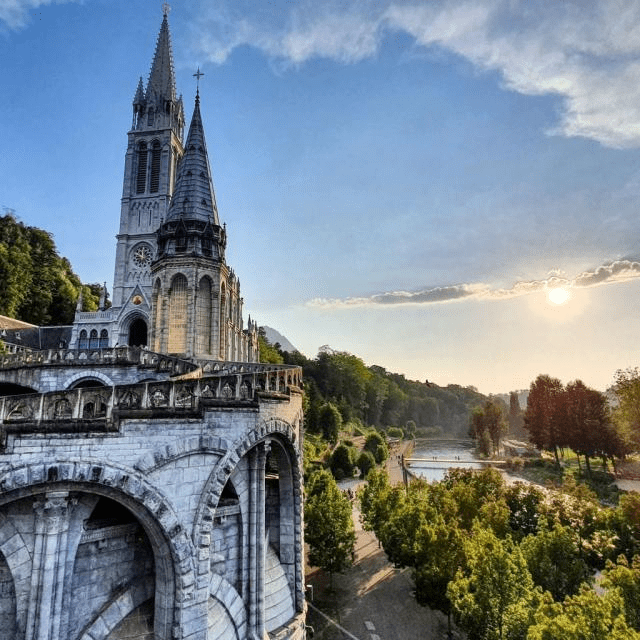
1. Lourdes: The Exceptional Purity of the Pyrenean Breath
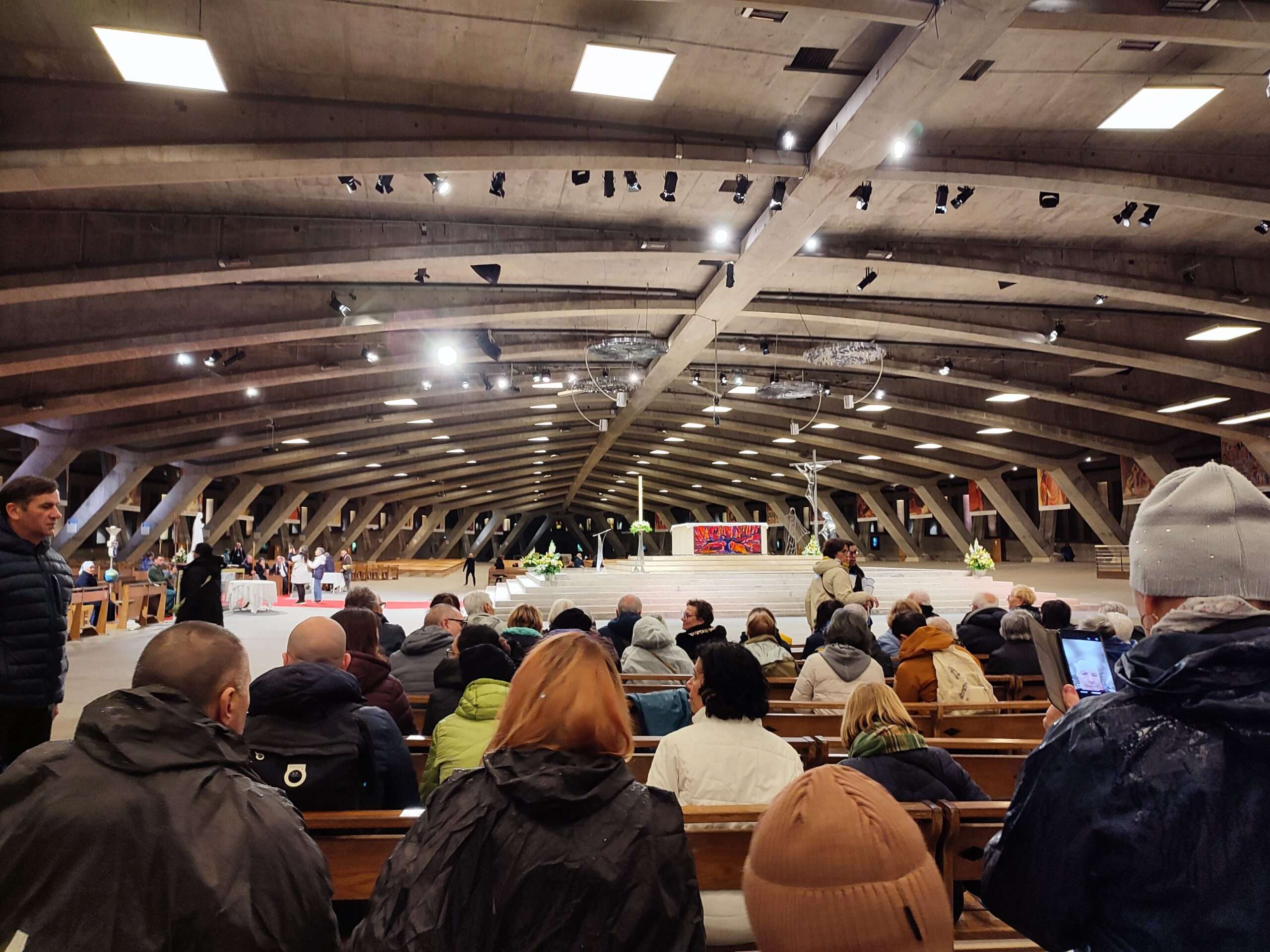
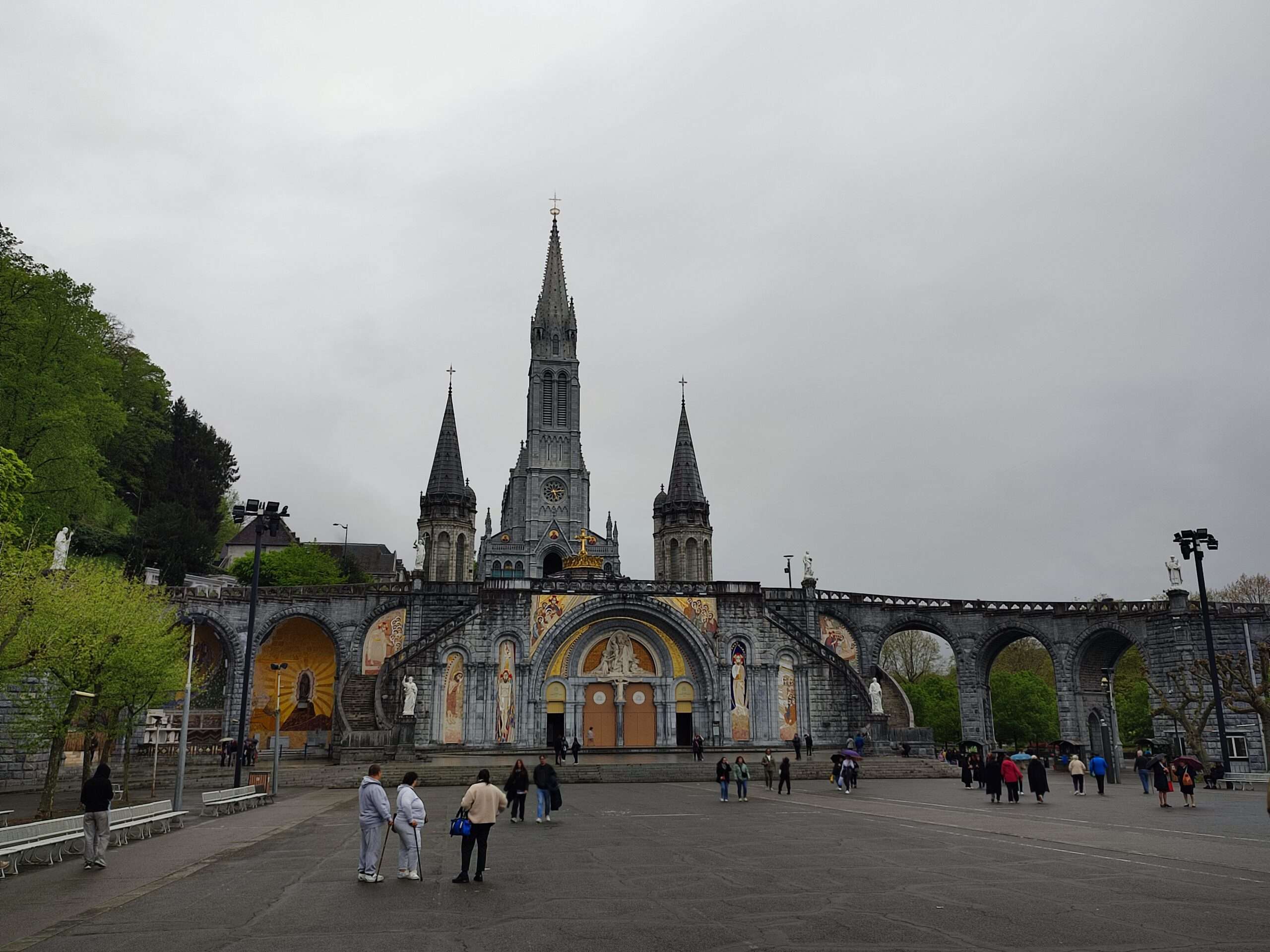
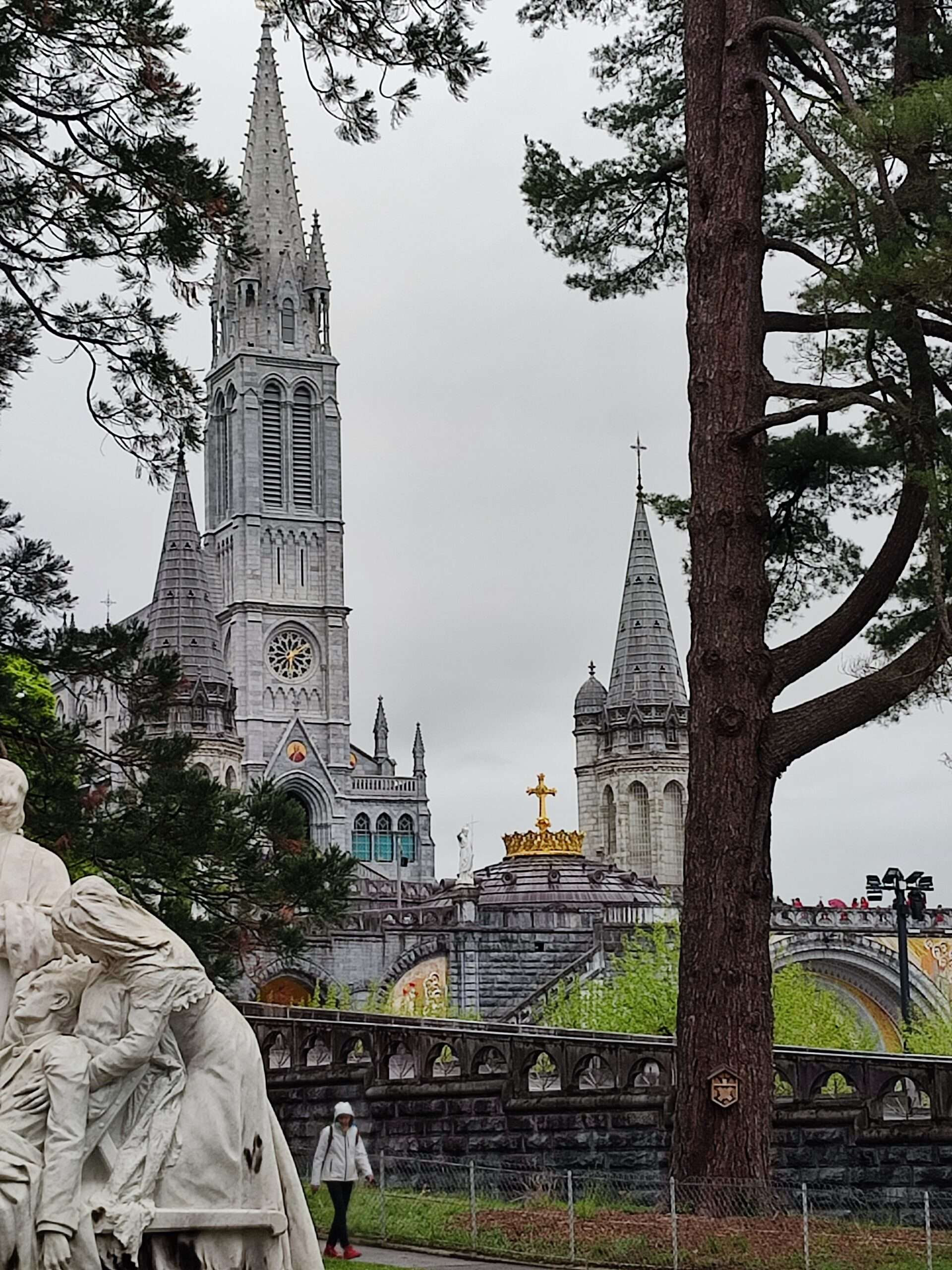
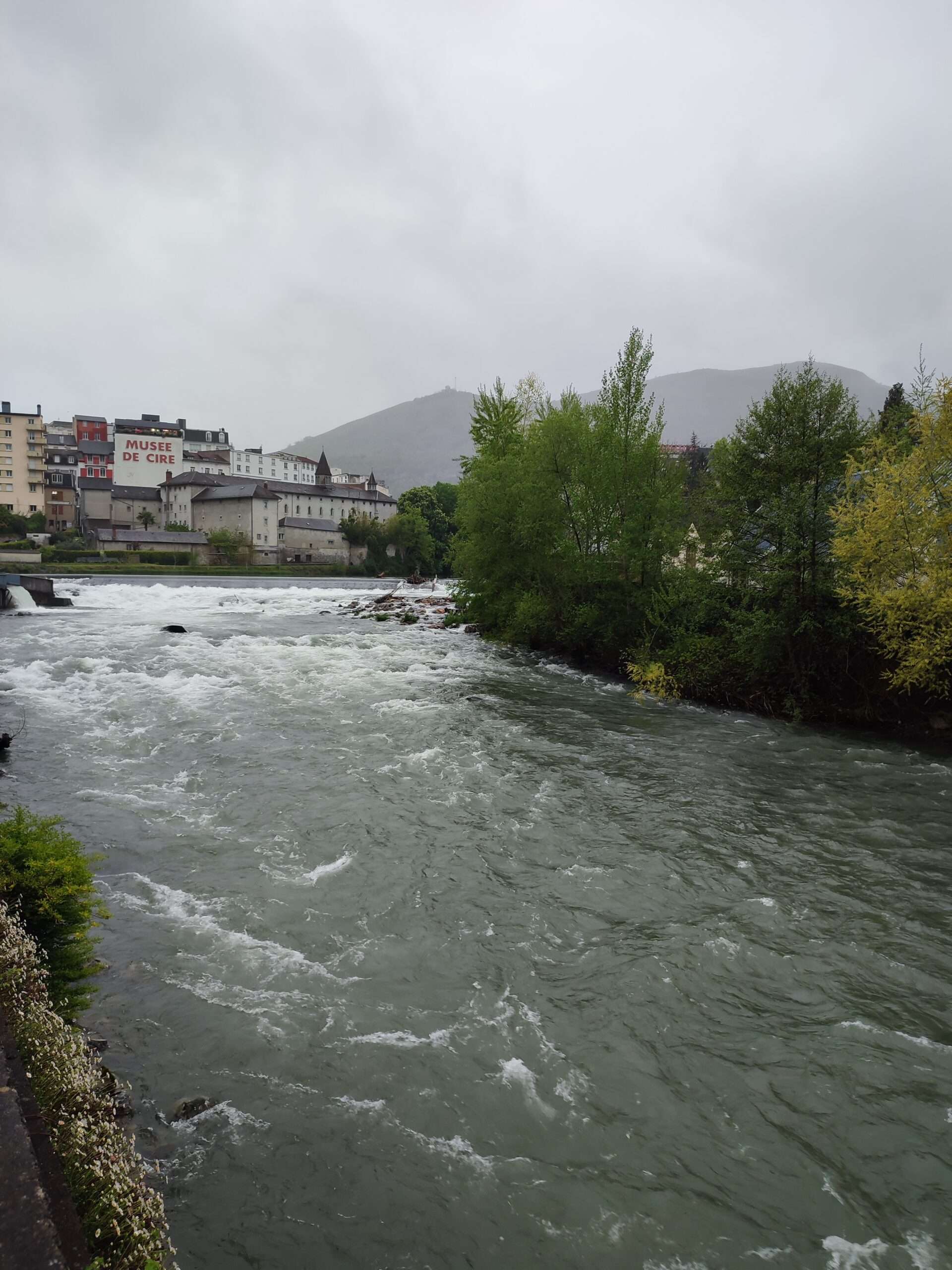
Lourdes is far more than a pilgrimage site; it is an ecological sanctuary. Visitors often speak of a “shift” in the atmosphere the moment they approach the Sanctuary—a palpable transition where the noise of the modern world fades, replaced by the rhythmic sound of the Gave de Pau river and the cooling breath of the mountains. This sensory recalibration suggests that the “miracle” of the site is as much environmental as it is spiritual.
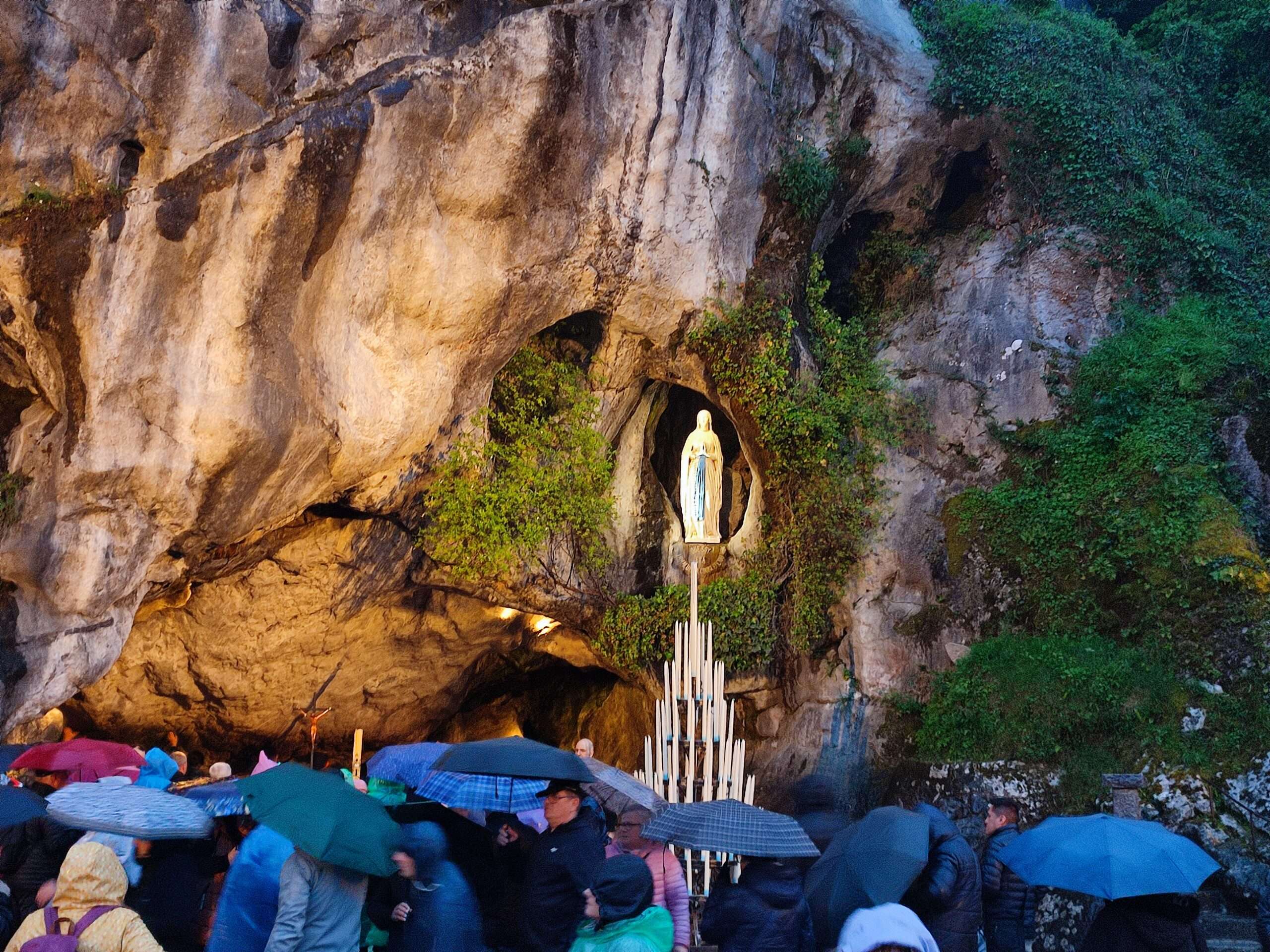
- The Holy Grotto & The Water: The water of Lourdes, flowing from the heart of the rock, is celebrated for its purity and consistent temperature. While science analyzes its mineral content to understand its geological journey, millions testify to its restorative energy and life-giving properties. In 2026, the management of this precious resource has become a global model of Ecological Stewardship. By utilizing advanced, non-invasive filtration and monitoring systems, the Sanctuary ensures that the natural flow remains untainted and abundant, balancing the needs of millions of pilgrims with the preservation of the local water table.
- The Exceptional Air: Perched at the very feet of the Pyrenean giants, Lourdes enjoys a unique microclimate where the air is naturally filtered by vast, dense pine forests and oxygenated by high-altitude winds. This “fresh air” is more than just a comfort; it is a therapeutic asset. Rich in negative ions and free from the heavy urban pollutants of the lower plains, the atmosphere acts as a natural nebulizer, offering a physical sense of “lightness” that complements the spiritual experience of the site.
- Green Initiatives: The Sanctuary has taken a bold stand for the planet by implementing a “Zero Plastic” policy for water collection, encouraging the use of biodegradable or permanent containers. Furthermore, the site has transitioned to 100% intelligent LED lighting. This initiative does more than save energy; it actively combats light pollution to preserve the “Dark Skies” of the Pyrenees. By restoring the natural darkness of the night, Lourdes protects local nocturnal biodiversity and migratory bird patterns, proving that honoring the heavens starts with protecting the earth.
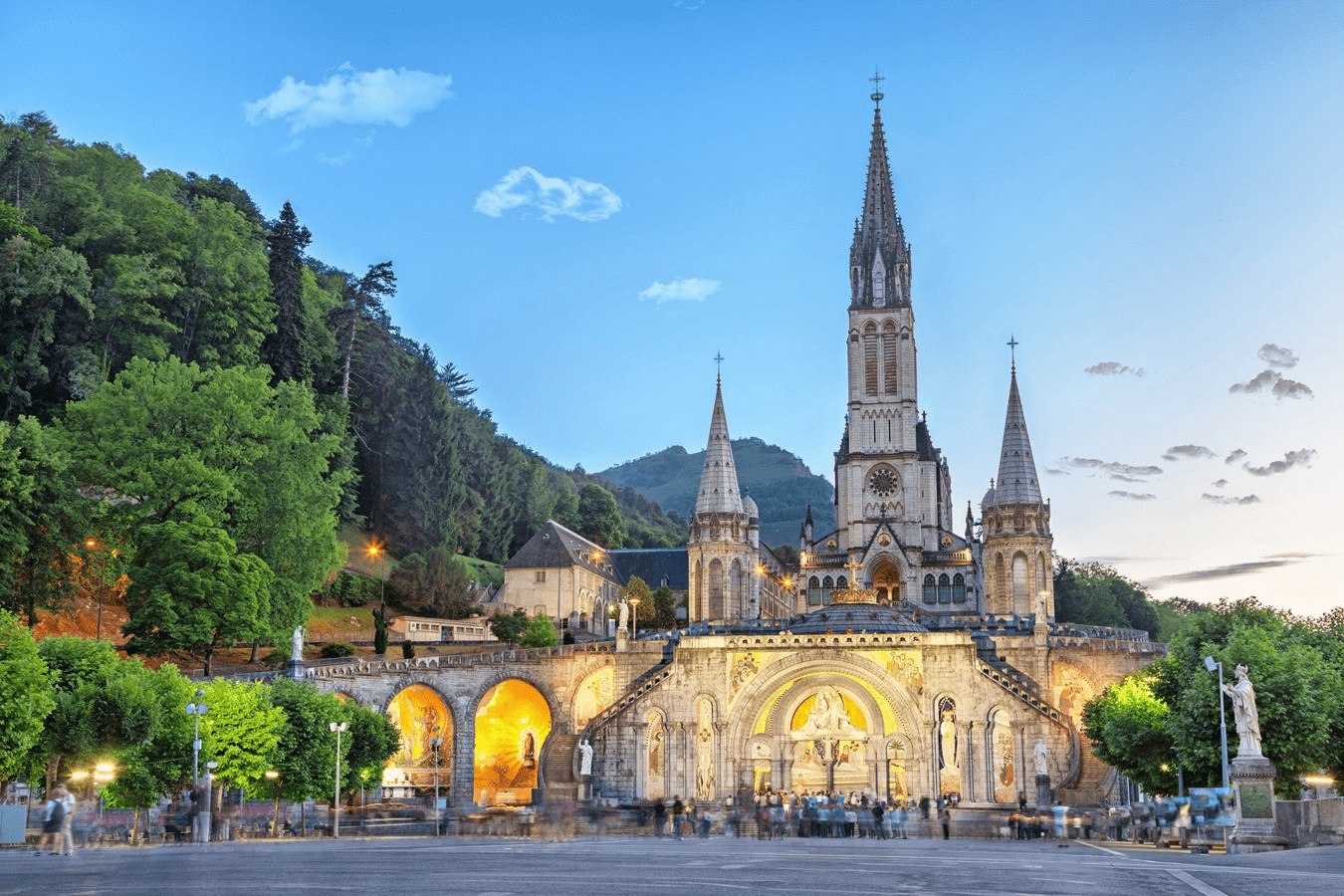
2. Toulouse: The Pink City Turns Green
If Lourdes represents the soul, Toulouse represents the mind. Known as the European capital of aerospace, Toulouse is now redirecting its genius toward the Green Transition.
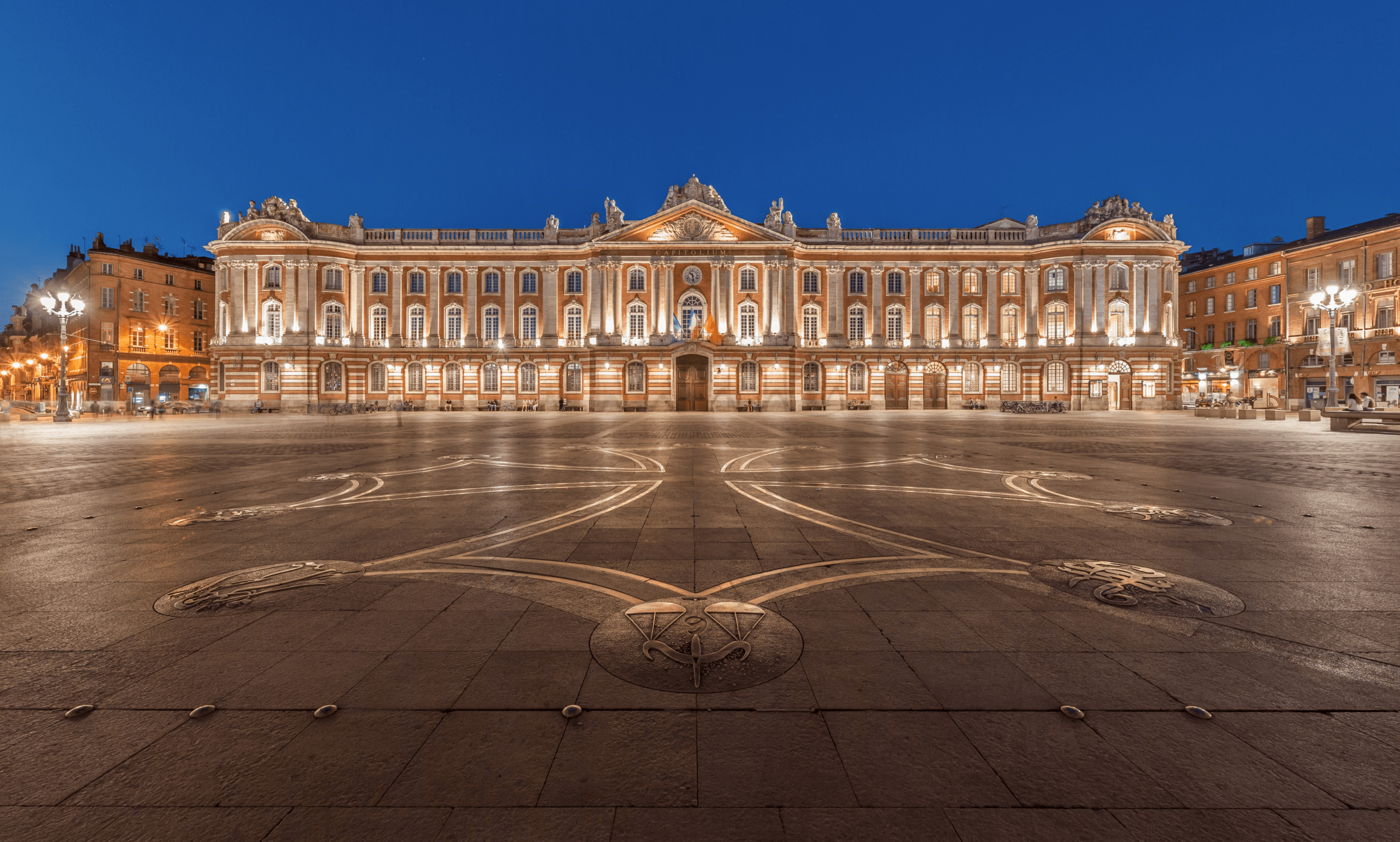
Toulouse, long celebrated as the “Pink City” for its terracotta architecture, is rapidly evolving into a global beacon of Urban Resilience. This transformation is driven by a unique synergy between its historical identity and its status as a world leader in high-tech innovation.
- Aerospace Sustainability: As the birthplace of the zero-emission aircraft, Toulouse is no longer just looking to the stars; it is looking to save the sky. In 2026, the local aerospace ecosystem has become a living laboratory for hydrogen propulsion and bio-fueled turbines. By centralizing research in the Aerospace Valley, the city is leading the global charge to make “flying green” a tangible reality by 2035. This isn’t just about cleaner engines; it’s about a complete industrial overhaul that prioritizes low-carbon manufacturing processes and the recycling of aeronautical materials, ensuring that the spirit of flight remains compatible with the limits of our planet.
- The “Canal du Midi” Corridor: This historic UNESCO World Heritage site is undergoing a profound ecological renaissance, being transformed into a vital “Cooling Arteria” for the metropolitan area. Beyond its beauty, the canal now serves as a natural climate regulator. Massive reforestation projects along its banks have introduced thousands of native shade-providing species, creating a continuous “green canopy” that significantly lowers ambient temperatures and combats the urban heat island effect. This lush corridor acts as both a biodiversity highway and a carbon sink, allowing the city to breathe even during the height of summer.
- Urban Ecology: The city has accelerated its green transition through the ambitious “Toulouse +30,000 Trees” initiative. This is not merely about planting parks; it is about a radical integration of nature into the built environment. By mandating the inclusion of vertical forests and rooftop permaculture in new architectural projects, Toulouse is blurring the boundaries between urban density and the natural world. These living facades act as natural insulation and air purifiers, proving that a modern, growing city can thrive while simultaneously restoring the ecological balance lost during the industrial age.
3. Solutions for the Future: A Regional Model
| Identified Problem | Future Solution / Alternative |
| Tourism Carbon Footprint | The “Pyrenees Green Train” connects Toulouse to Lourdes using 100% renewable electricity, reducing car dependency by 60%. |
| Water Resource Management | Circular water systems in Lourdes hotels now recycle gray water for park maintenance, preserving the sacred spring water. |
| Mass Tourism Waste | AI-driven waste sorting in Toulouse’s “Ville Rose” districts has increased recycling efficiency to nearly 90% in 2026. |
4. A Human Touch: The Silence of the Mountain
There is a unique irony in 2026: as our lives become noisier and more digital, we crave the “Analog Sacred.” Whether you are standing in silence before the flickering candles of the Grotto or cycling through the eco-districts of Toulouse, the feeling is the same—a deep breath of relief.
The air in Lourdes doesn’t just fill your lungs; it clears your mind. It is a reminder that nature is the original “holy place,” and our modern technology (like that in Toulouse) is finally learning to serve it rather than exploit it.
5. Benchmark: The Regional “Green Spirit”
- Lourdes: 100% of the Sanctuary’s energy is now sourced from local hydroelectric plants.
- Toulouse: Voted “Greenest Large City in France” for its integration of 5G-IoT sensors that optimize energy use in public buildings.
Call to Action: Refresh Your Spirit
Experience the synergy of the Southwest for yourself.
- Share this article to support sustainable tourism in Occitanie.
- Travel Light: Use the regional rail network to visit the Grotto and the “Cité de l’Espace.”
- Support Local: Choose eco-certified accommodations that respect the Pyrenean water table.
Related Content
- Glories Of Lourdes
- Sahara’s Stunning Transformation: Desert Sands Fill with Water
- MIT Develops Battery-Free Solar Desalination System: A Game-Changer for Clean Water Access
- Global Water Resources Crisis: WMO Report Urges Immediate Action to Combat Climate-Induced Water Shortages
- Green Hydrogen: A Brighter Future Fueled by Sunlight and Water?
- The Water-Powered Car Revolution: A Game-Changer for the Auto Industry and the Environment
- How Climate Change Will Disrupt Water Resources in France
- THE 10 BEST Lourdes Bus Tours (with Prices) – Tripadvisor
- The Shrines of Spain, Fatima & Lourdes with 206 Tours