
Cultivating Freedom: The Resurgence of Independent Farming and the Path to a Profitable Homestead

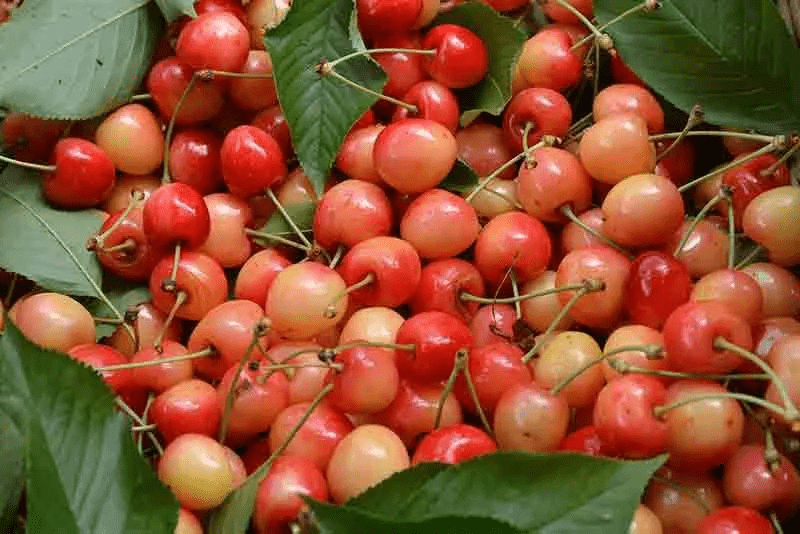
The dream of independent farming is experiencing a vibrant resurgence, driven by a desire for self-sufficiency and high-quality local produce. This viable business model focuses on niche, high-margin crops like heirloom apples, Napoleon cherries, and Mirabelle plums. For maximum profit per square foot, specialty items like Saffron and Gourmet Mushrooms offer lucrative returns. Crucially, modern success involves diversifying income with agritourism and tiny houses that cater to the growing demand for rural retreats with high-speed internet.
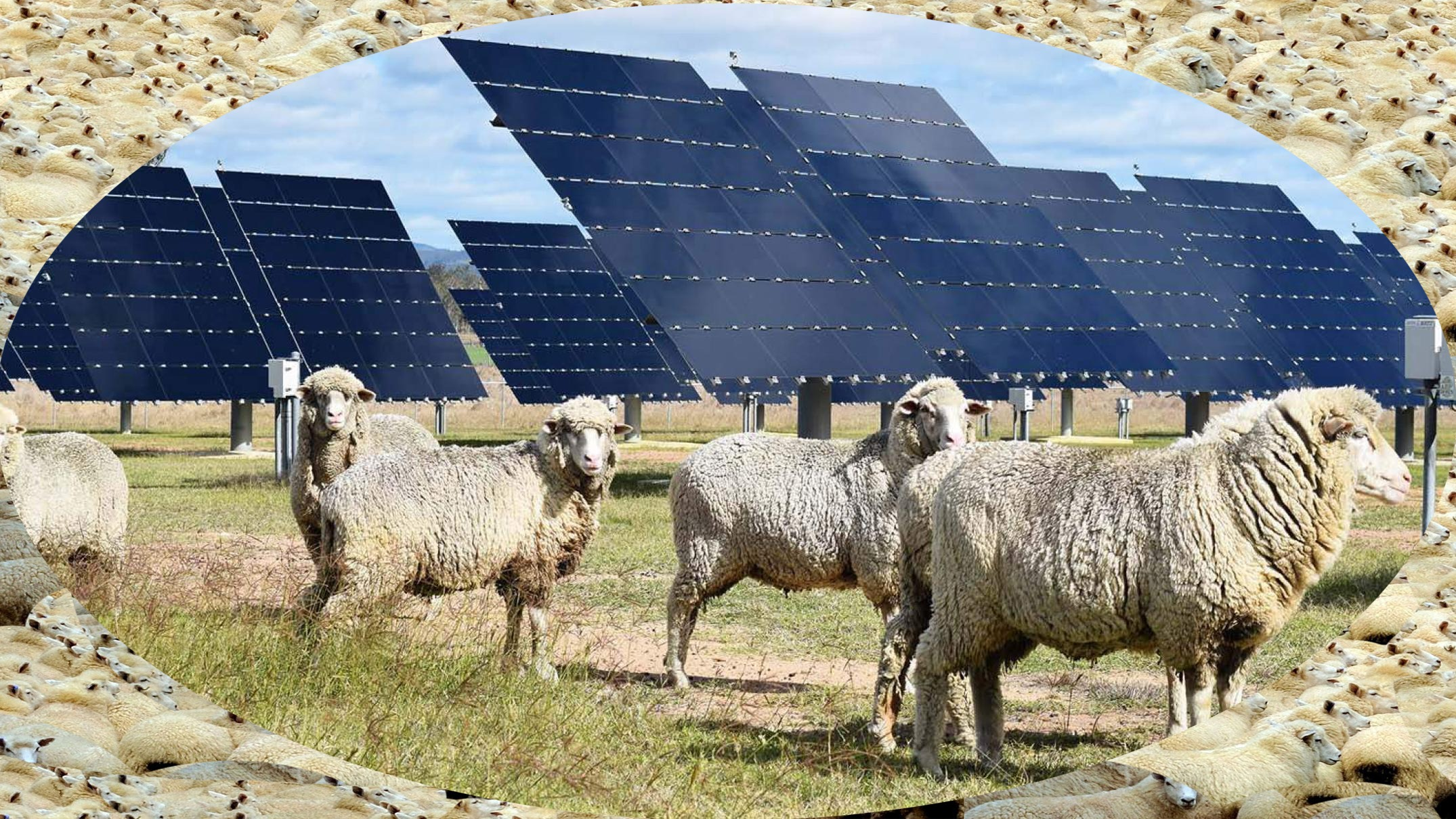
Sheep Among Solar Panels: A Surprising Ecological Synergy for the Future

Recent studies highlight the unexpected benefits of agrivoltaism—the practice of integrating sheep grazing with solar farms. Research conducted in Australia and France reveals improvements in livestock health, wool quality, and biodiversity under solar panels. By providing shade, reducing parasite loads, and enhancing vegetation quality, agrivoltaic systems offer a sustainable, climate-resilient agricultural model for the future.

High Pesticide Use in Costa Rica: A Call for Sustainable Farming

To effectively implement agroecological practices in Costa Rica, several targeted actions can be undertaken. Government support is crucial, including providing financial incentives and training for farmers transitioning away from chemical pesticides. Consumer education through clear labeling and awareness campaigns can drive demand for sustainable products. Market development, such as encouraging certifications and supporting local initiatives, enhances the viability of agroecological practices. Additionally, fostering public-private partnerships and platforms for farmer-to-farmer knowledge sharing promotes collaboration and successful implementation of these methods.

Comilla Cotton’s Eco-Friendly Renaissance: A Blueprint for Sustainable Agricultural Innovation

Comilla cotton’s revival in Meghalaya’s Garo Hills stands as a beacon of sustainable innovation, integrating traditional farming practices with cutting-edge eco-friendly product development. With a focus on medical-grade textiles, natural processing, and community empowerment, this indigenous cotton variety offers a model for balancing environmental stewardship and economic growth.

The Paulownia: A Tree with Exceptional Virtues in the Fight Against Climate Change

The Paulownia tree emerges as a promising species in addressing current environmental challenges. Known for its exceptional capacity to absorb carbon dioxide (CO2), rapid growth, and adaptability to various climates, Paulownia offers unique opportunities for combating climate change and enhancing agricultural practices. Farmers like the Guéguen brothers in Finistère, France, are cultivating this remarkable tree in partnership with the startup ArbrePaulownia.fr. However, while the advantages of Paulownia cultivation are compelling, it is crucial to explore its broader ecological impact, competition with food crops, and long-term economic viability to ensure sustainable implementation.

Brittany’s Dark Secret: The Polluted Paradise of Saint-Michel-en-Grève

Saint-Michel-en-Grève, once a beautiful beach in Brittany, is now plagued by pollution from agricultural runoff, untreated sewage, and plastic waste. The resulting contamination from green algae, fecal bacteria, and microplastics poses health risks and damages marine ecosystems. However, by adopting sustainable farming practices, improving wastewater treatment, and raising public awareness, there is hope to restore the beach and preserve its beauty for future generations.

Free Worldwide shipping

On orders dispatched and delivered within the same country.

Easy 30 days returns

30 days money back guarantee

International Warranty

Offered in the country of usage

100% Secure Checkout

PayPal / MasterCard / Visa