In the face of growing cybersecurity threats, NGOs must prioritize data protection. This article compares leading VPN services, highlighting Surfshark as the best solution for its cost-effectiveness, features, and commitment to sustainability.

In the face of growing cybersecurity threats, NGOs must prioritize data protection. This article compares leading VPN services, highlighting Surfshark as the best solution for its cost-effectiveness, features, and commitment to sustainability.

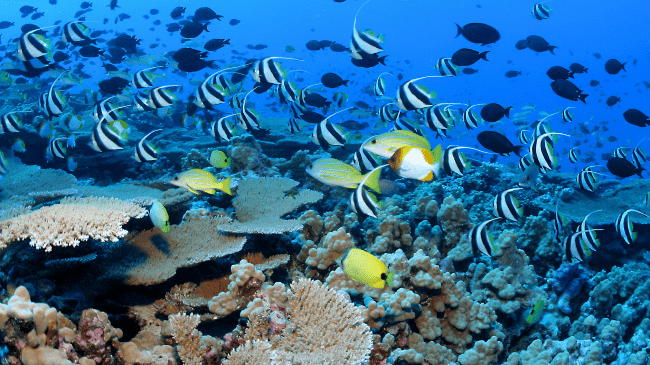
Recent environmental reports indicate record ocean temperatures and accelerating biodiversity loss, underscoring the urgent need for action. By focusing on renewable energy, conservation, and addressing plastic pollution, we can mitigate these issues and work towards a sustainable future.

The development of Computational Random Access Memory (CRAM) by researchers at the University of Minnesota represents a significant breakthrough in AI technology. By integrating memory and processing functions, CRAM drastically reduces energy consumption, addressing critical concerns about the sustainability of AI. This innovation not only promises more efficient AI computation but also has far-reaching environmental benefits, potentially reducing the carbon footprint of AI systems and decreasing electronic waste.

The Mediterranean Sea has reached its highest surface temperature on record, hitting a daily median of 28.9°C, signaling a growing climate crisis with severe ecological consequences. This unprecedented heat poses significant challenges for marine life, disrupts carbon absorption, and highlights the urgent need for sustainable actions to protect this vital ecosystem.

5G technology promises significant improvements in energy efficiency compared to previous generations, but its true environmental impact hinges on its deployment and usage. From beamforming and infrastructure sharing to energy harvesting, these innovations offer pathways to a more sustainable future. However, challenges such as increased device production, e-waste, and data center energy consumption must be carefully managed to ensure 5G’s ecological benefits are fully realized.

Nuclear power is emerging as a crucial element in the transition to a low-carbon energy system. With a global capacity of 396 gigawatts as of late 2023, and significant investments in new projects, nuclear energy offers substantial benefits in reducing greenhouse gas emissions and providing reliable baseload power. However, its widespread adoption faces challenges such as high construction costs, long lead times, and complex waste management issues. Addressing these challenges, investing in advanced technologies, and fostering international cooperation will be essential for nuclear power to contribute effectively to a sustainable energy future.