Legendary German Brand MAHLE Shifts Gears: Hydrogen Engines Join the Race, Not Replace EVs

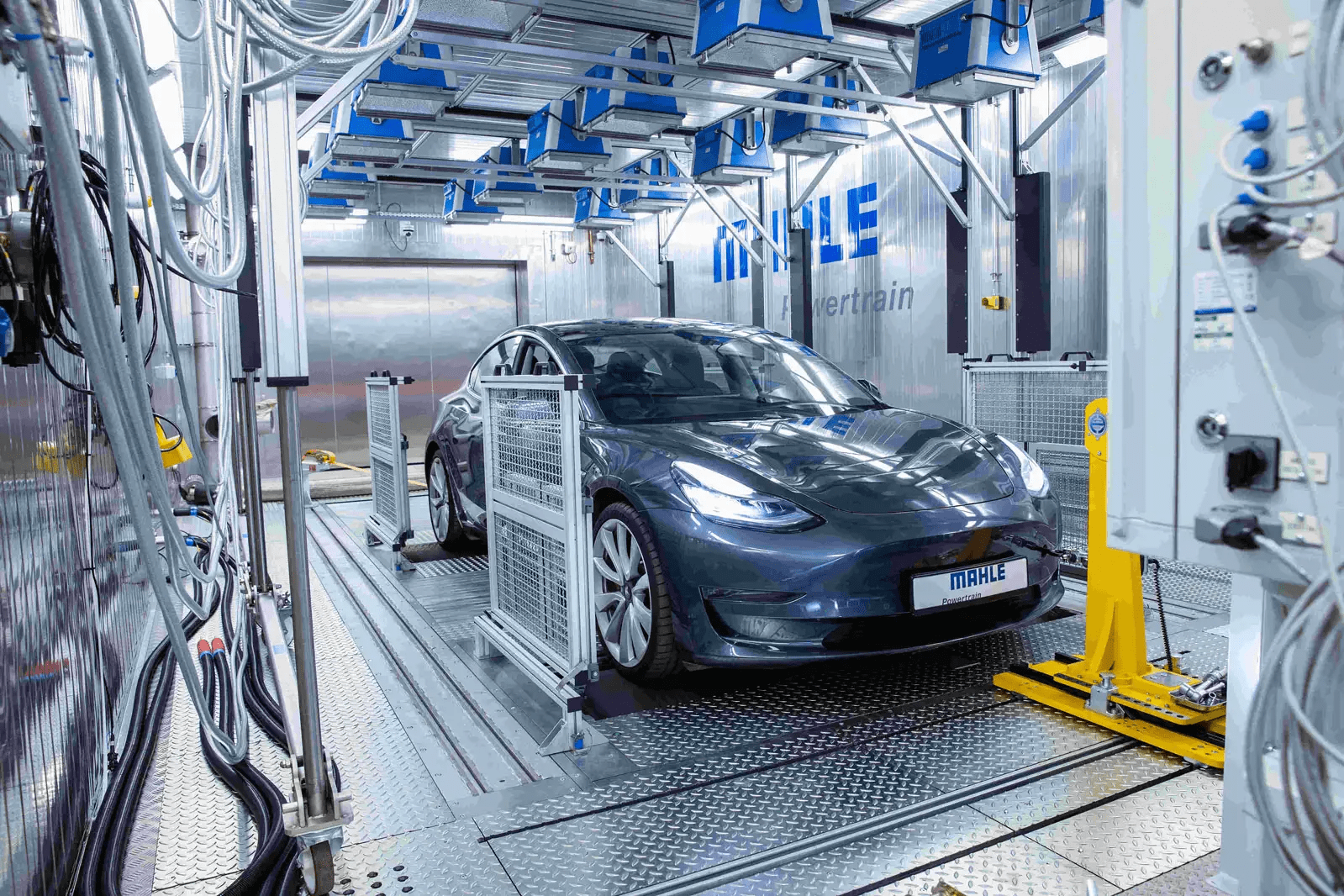
MAHLE’s collaboration with DEUTZ to develop hydrogen engines marks a pivotal moment in sustainable mobility. Rather than competing with electric vehicles (EVs), hydrogen technology complements it by addressing the limitations of EVs in heavy-duty applications. Hydrogen engines offer advantages such as reduced emissions, faster refueling times, and adaptability to existing infrastructure. However, challenges like hydrogen infrastructure and green hydrogen production need to be addressed. MAHLE’s multi-pronged approach reflects the future of transportation, where a combination of hydrogen and electric solutions will pave the way for a cleaner, greener future.
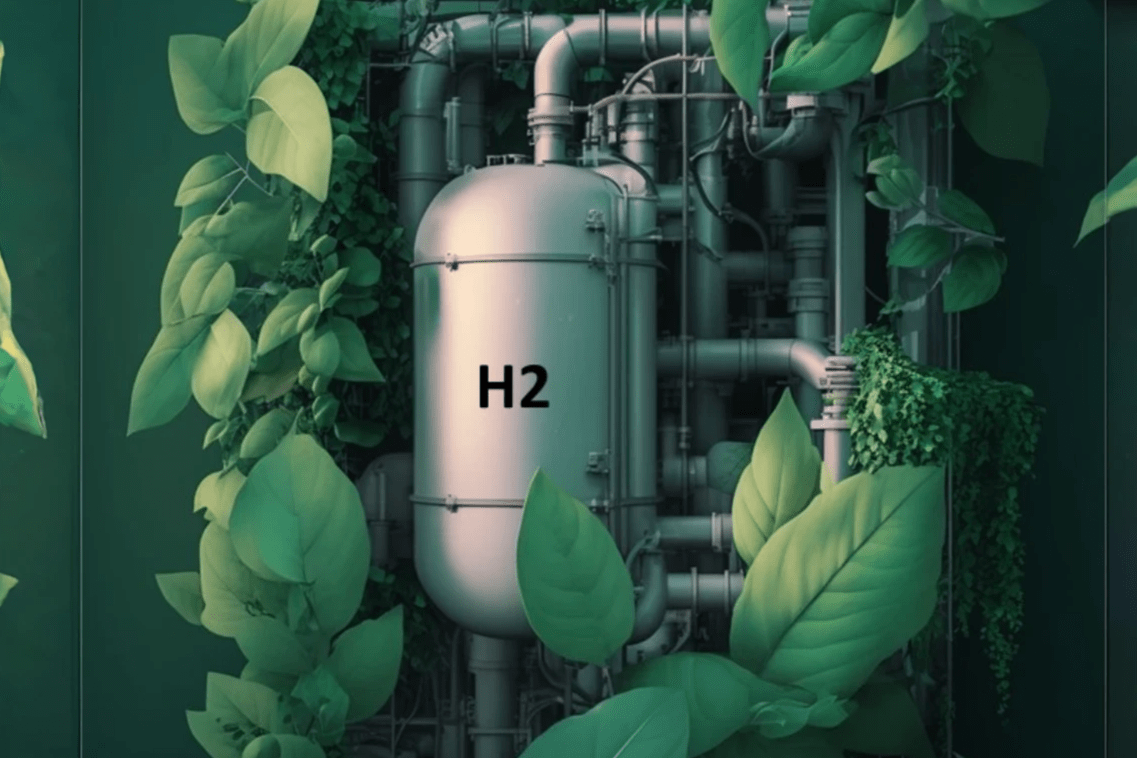
Green Hydrogen: A Brighter Future Fueled by Sunlight and Water?

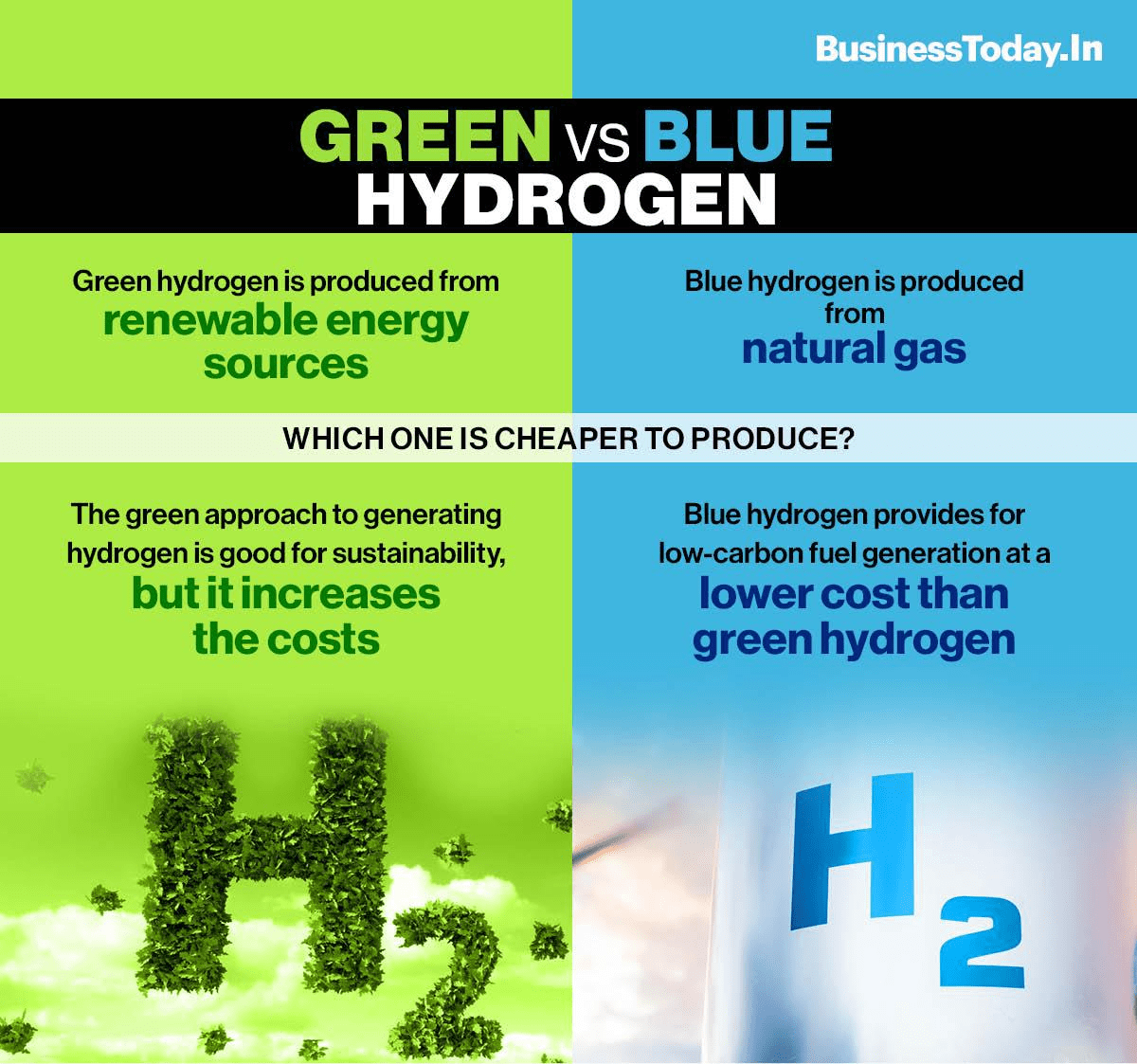
A Brighter Future Fueled by Sunlight and Water” explores the potential of green hydrogen as a sustainable energy source. It discusses how hydrogen, produced through electrolysis powered by renewable energy sources like solar and wind, offers a clean alternative to fossil fuels. The article examines the technology behind green hydrogen production, its applications in various sectors, and the challenges that must be addressed to scale its use. By harnessing sunlight and water, green hydrogen could play a pivotal role in reducing carbon emissions and combating climate change, paving the way for a cleaner, more sustainable future.

BMW’s Hydrogen Engine: A Leap Towards a Sustainable Future

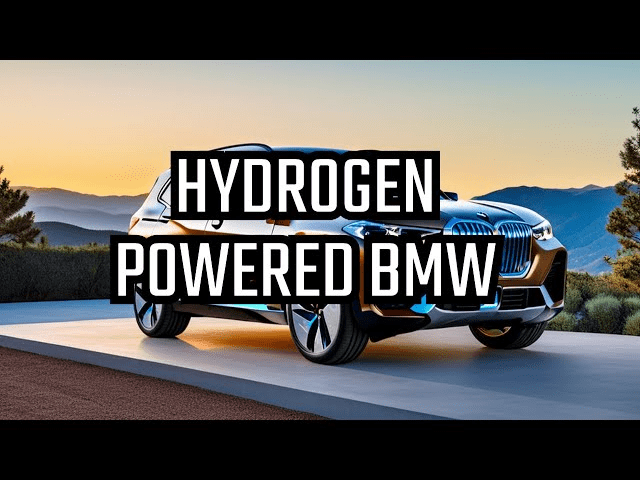
BMW’s hydrogen-powered engine is a significant leap in the automotive industry’s pursuit of sustainable alternatives. Hydrogen vehicles produce zero emissions, offering an environmentally friendly option to reduce air pollution and greenhouse gases. However, hydrogen’s full potential can only be realized by addressing several ecological challenges, such as carbon-intensive hydrogen production, the need for more hydrogen refueling stations, and the high costs of production and storage. BMW’s innovation, in partnership with Toyota, has advanced hydrogen fuel cell technology, demonstrating high performance and efficiency. By investing in green hydrogen, infrastructure, and cost reduction, the future of hydrogen-powered vehicles looks promising. Hydrogen could soon become a key player in reducing global emissions and promoting cleaner transportation.

Blue Hydrogen: A Green Dream or Ecological Nightmare?

Blue Hydrogen: A Clean Energy Dilemma
Despite being touted as a cleaner alternative to traditional fossil fuels, blue hydrogen faces significant environmental challenges. The production process, which involves carbon capture and storage (CCS), can lead to methane leakage, energy-intensive CCS operations, and potential CO2 storage leaks. These factors undermine the notion of blue hydrogen as a truly clean energy source, raising concerns about its contribution to climate change.

Fast-Tracking the Guarantee of Origin Scheme for Green Hydrogen and Renewable Electricity

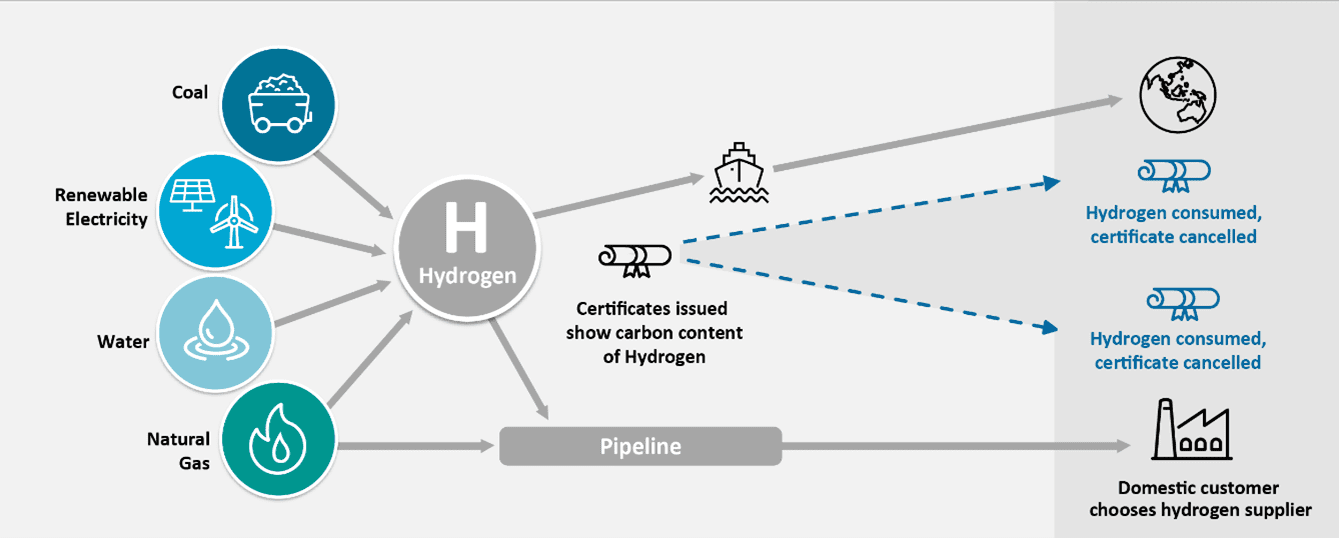
The Albanese government is fast-tracking a national certification scheme to verify the origins of hydrogen and renewable electricity, distinguishing between renewable and fossil-fuel sources. With a final response and legislation expected by mid-2025, this initiative aims to set a standard for transparency in energy production. Australia is not only advancing its green industry but also contributing to global climate action. By aligning with international climate agreements and showcasing innovative green technologies, Australia is enhancing its role as a leader in sustainability and promoting a more environmentally responsible global community.

Free Worldwide shipping

On orders dispatched and delivered within the same country.

Easy 30 days returns

30 days money back guarantee

International Warranty

Offered in the country of usage

100% Secure Checkout

PayPal / MasterCard / Visa