Atoms of Change: How China is Engineering a World Without Fossil Fuels

As the world watches, China has transformed from a coal giant into a green hydrogen powerhouse, shattering production records and building the world’s longest “molecule highways.” This journalistic deep dive explores the human, technical, and ecological stakes of the most ambitious energy pivot in history.

Tesla’s Shift to Hydrogen Fuel Cells: A New Era of Innovation and Sustainability

Tesla, renowned for its dominance in battery electric vehicles (BEVs), is charting a new course by venturing into hydrogen fuel cell technology. Under the leadership of Elon Musk, this strategic pivot—set to culminate in 2026—represents a significant expansion of the company’s clean energy ambitions. Hydrogen fuel cells, offering advantages like rapid refueling, extended driving ranges, and zero emissions, promise to complement Tesla’s existing electric vehicle offerings. Despite challenges such as high production costs and limited infrastructure, Tesla’s move positions it as a key player in the hydrogen space, driving innovation and sustainable transportation forward.

This bold step highlights the company’s adaptability and its commitment to leveraging diverse technologies to reshape the future of mobility. As the hydrogen industry evolves, Tesla’s entry could accelerate infrastructure development and influence the broader automotive landscape.

China’s Green Surge: A Double-Edged Sword

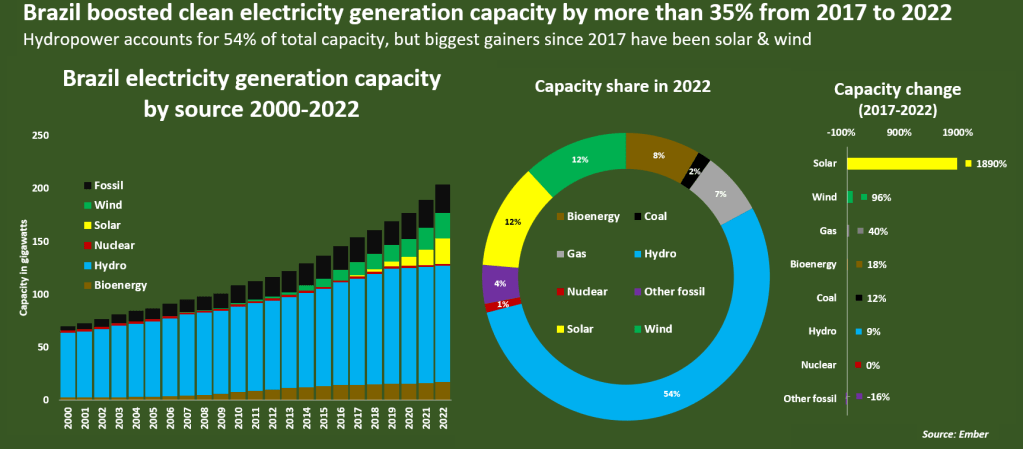
China’s unprecedented renewable energy growth has positioned it as a global leader, but its continued reliance on coal underscores the complexities of transitioning to a sustainable future. Collaboration with the U.S. could pave the way for a low-carbon future, but geopolitical tensions remain a challenge.

A Comprehensive Look at Two Innovative Renewable Energy Projects: Solar Highways and the Western Green Energy Hub

Two ambitious projects, the Solar Highway and the Western Green Energy Hub (WGEH), are pushing the boundaries of renewable energy innovation. The Solar Highway aims to turn highways into energy producers through solar panels, while WGEH focuses on large-scale green hydrogen production in Western Australia. Despite significant challenges, such as high costs, infrastructure needs, and environmental impacts, both projects represent exciting steps toward a sustainable energy future.

Green Hydrogen Can’t Fully Decarbonize Cement Production: An In-Depth Look at Solutions

While green hydrogen presents a promising opportunity for reducing emissions in the cement industry, achieving substantial decarbonization requires a broader, multi-faceted approach. Key strategies include increasing the use of clinker alternatives like fly ash and calcined clay, improving energy efficiency through technological upgrades, and adopting carbon capture, utilization, and storage (CCUS) solutions. Additionally, ongoing research and development, alongside supportive government policies and incentives, will be essential to driving innovation and sustainable practices within the industry.

E-Fuels Pioneer Announces Major Project in Brazil: A Step Toward Cleaner Energy, with Challenges Ahead

HIF Global’s announcement of its e-methanol project in Brazil marks a significant milestone in the push toward cleaner energy solutions. Set at the Port of Açu, this initiative will use green hydrogen and carbon capture to produce e-methanol, offering a sustainable alternative for industries like shipping, which are hard to decarbonize. While the project promises to reduce emissions and integrate renewable energy, challenges such as high energy demand, economic viability, and regulatory barriers need to be addressed to make e-fuels a viable large-scale solution.

Free Worldwide shipping

On orders dispatched and delivered within the same country.

Easy 30 days returns

30 days money back guarantee

International Warranty

Offered in the country of usage

100% Secure Checkout

PayPal / MasterCard / Visa