
The dream of independent farming, once a cornerstone of rural life, is experiencing a vibrant resurgence. Driven by a desire for self-sufficiency, a connection to the land, and the growing demand for local, high-quality produce, a new generation of farmers is embracing sustainable practices and diversifying their income streams. This isn’t just a lifestyle choice; it’s a viable business model built on smart production and thoughtful planning.
The Profit Garden: High-Value Crops for Independent Growers
For the independent farmer, profitability often comes from focusing on niche, high-demand crops that offer better margins than large-scale commodity farming. The key is quality, uniqueness, and direct sales.
Here are some of the most rentable productions, keeping climate suitability and market demand in mind:
Fruit Trees & Berries: A Long-Term Investment
Planting fruit trees is a commitment, but one that yields increasing returns over time. Focus on varieties known for their flavor, resilience, and market appeal.
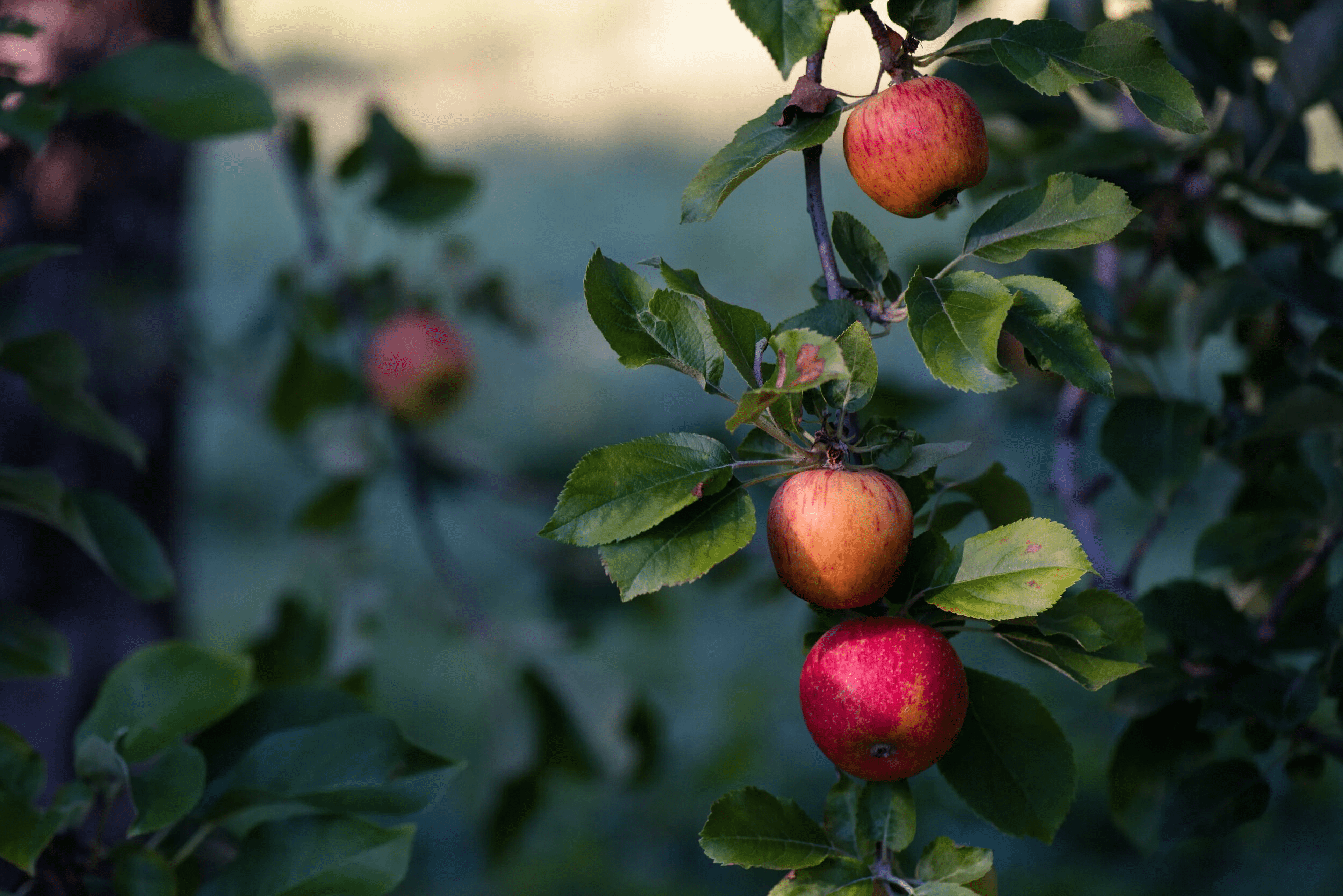
- Heirloom Apples (Pommes ancienne génération): Unlike modern, blemish-free supermarket apples that often require extensive chemical treatments, heirloom varieties are celebrated for their unique flavors, textures, and historical significance. Many older varieties are also more disease-resistant, reducing the need for costly and time-consuming sprays. They command premium prices at farmers’ markets and specialty stores.
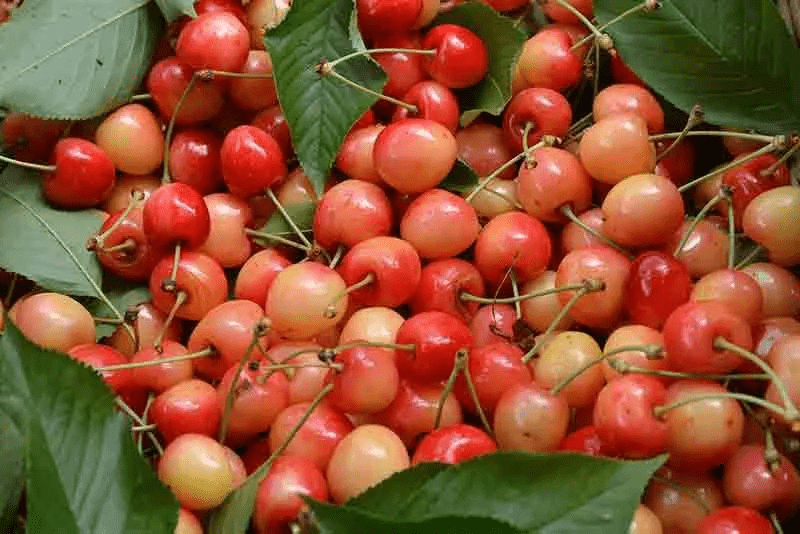
- Napoleon Cherries (Cerises Napoléon): These large, firm, and incredibly sweet cherries are a popular choice for fresh eating, baking, and preserves. While cherries require careful management regarding pests and birds, their high demand and short season mean excellent returns when successfully brought to market.
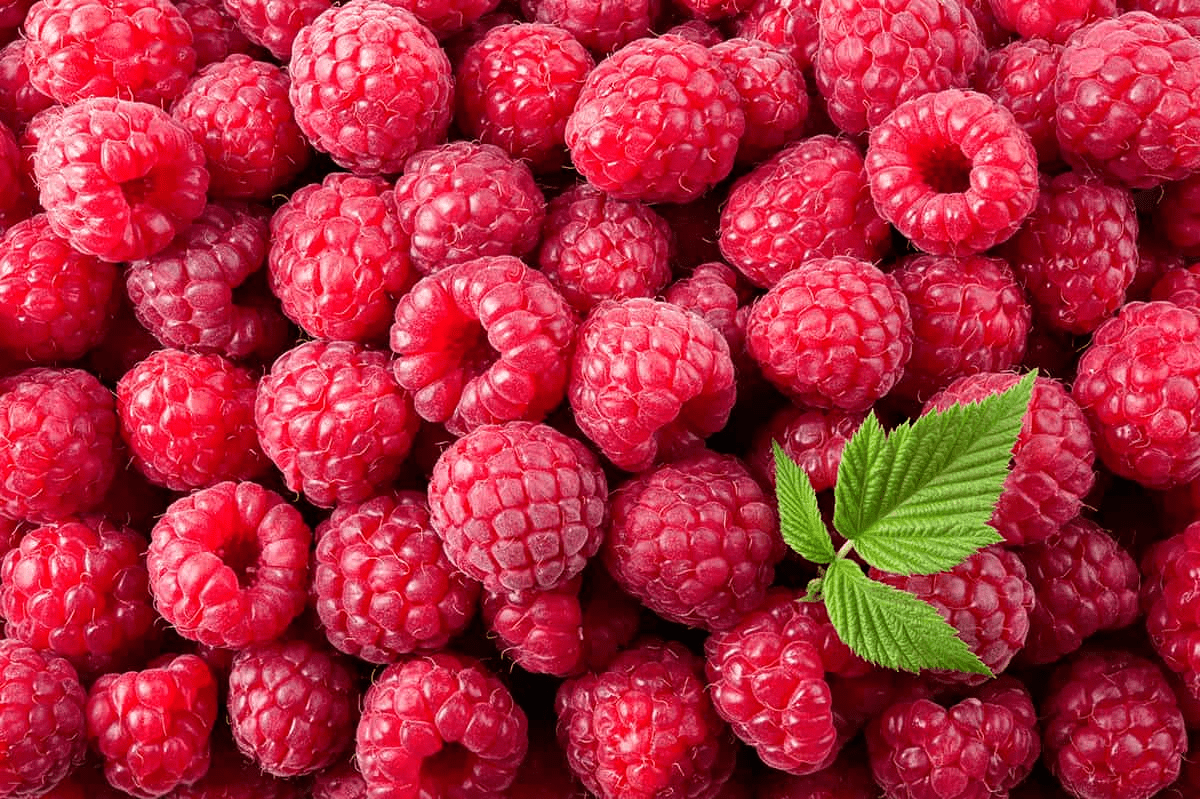
- Raspberries (Framboises): Easy to grow, quick to produce, and consistently in high demand, raspberries are a fantastic option. They offer multiple harvests throughout the summer and into autumn, providing a steady income stream. Their delicate nature also makes local, fresh berries highly sought after.
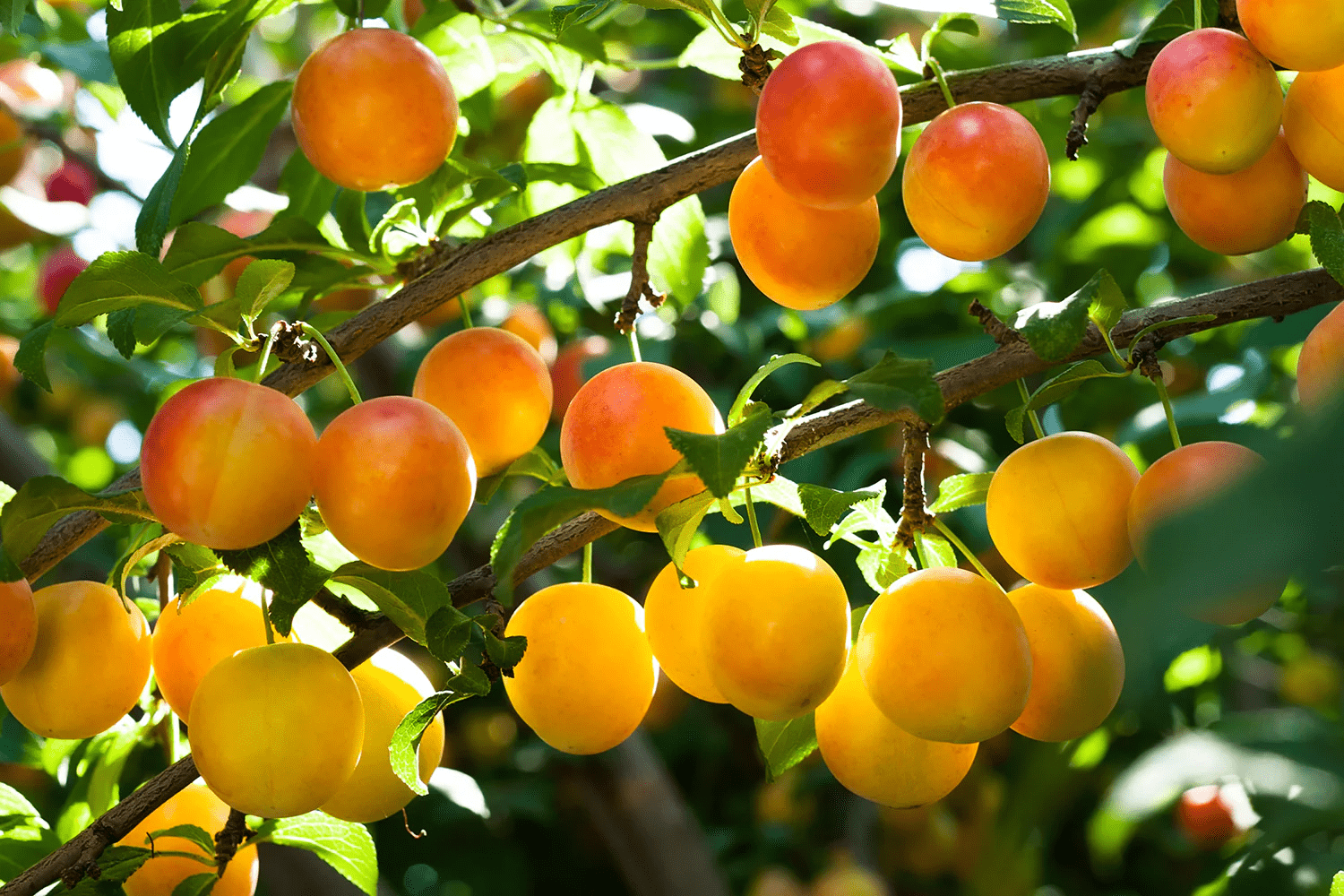
- Mirabelle Plums (Prunier type mirabelle): If your climate permits (these thrive in temperate zones, particularly known in Lorraine, France), Mirabelle plums are a golden gem. Small, sweet, and bursting with flavor, they are highly prized for fresh eating, jams, tarts, and brandies. Their distinctive qualities make them a premium product.
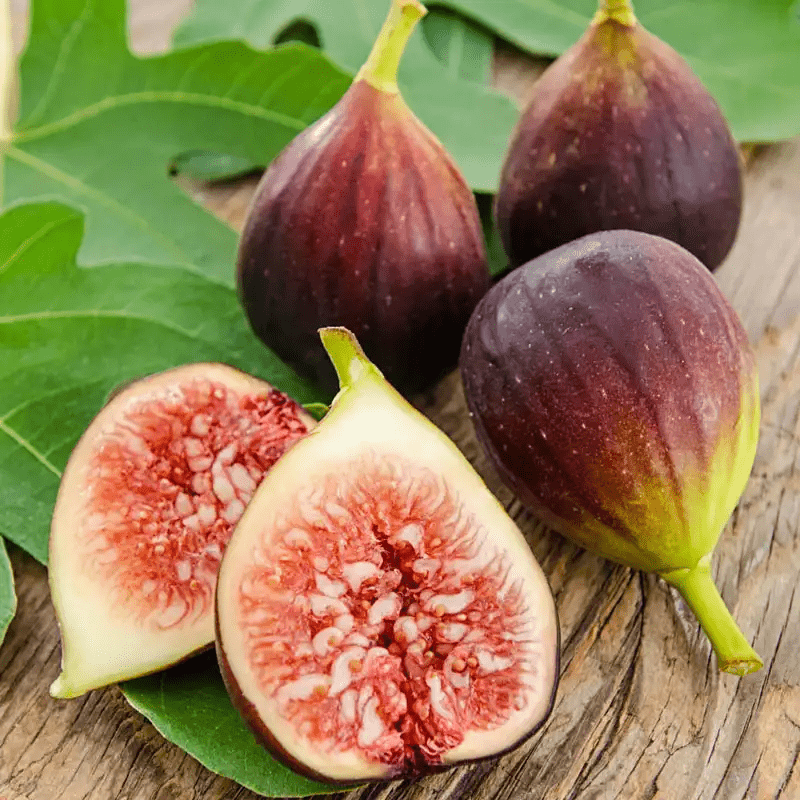
- Fig Trees (Figuiers): With many varieties adaptable to different climates, figs are a sweet and versatile fruit. They produce abundantly and are highly valued for fresh consumption, drying, and preserves. Their slightly exotic appeal also helps command good prices.
Specialty Crops: High Return, High Effort (But Worth It)
For those willing to invest extra care and research, certain specialty crops offer exceptionally high profit potential per square foot.
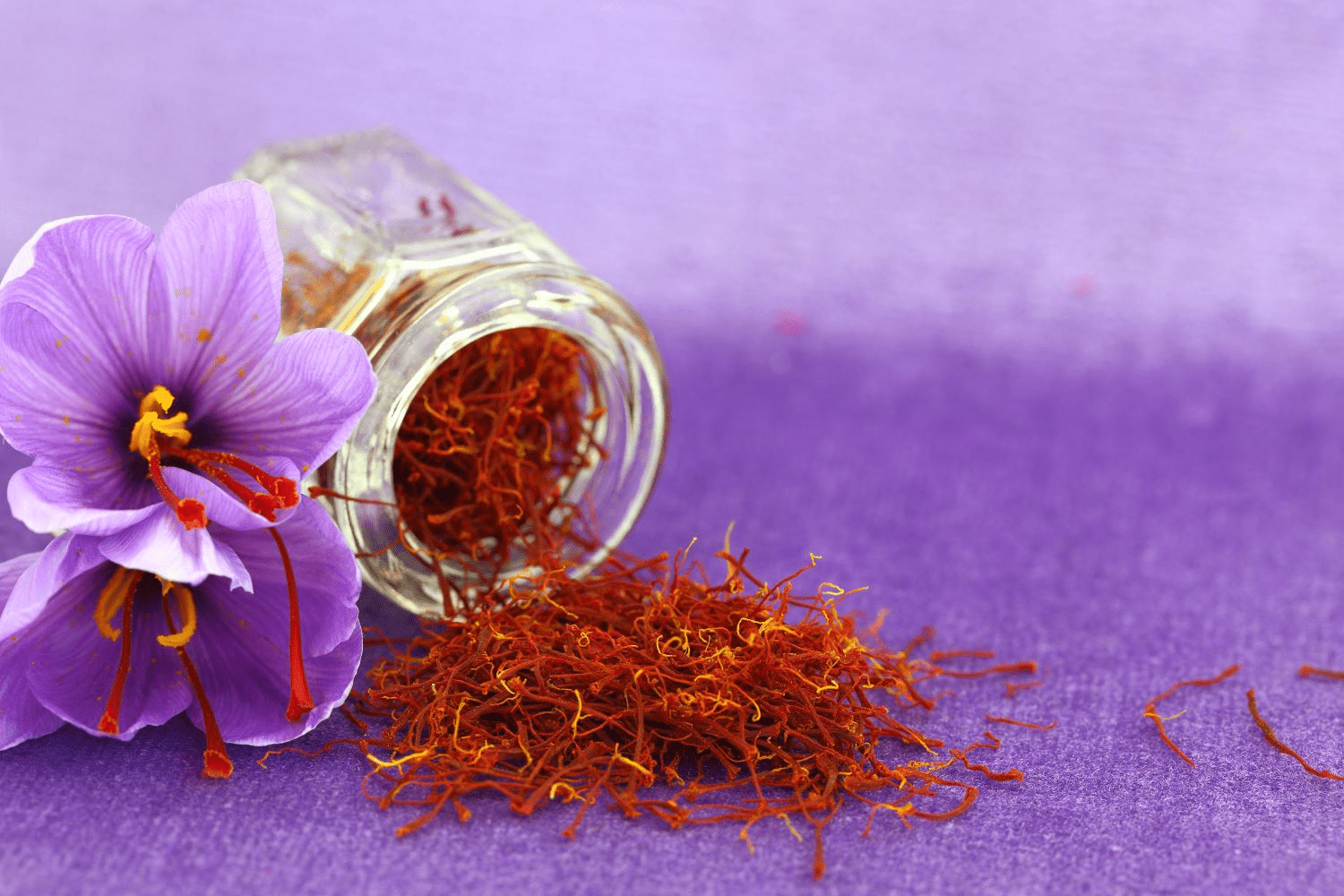
- Saffron: The world’s most expensive spice, saffron is derived from the stigma of the saffron crocus flower. While labor-intensive to harvest (each stigma must be hand-picked), it requires relatively little land and can be incredibly lucrative. It thrives in well-drained soil with hot, dry summers and cold winters.
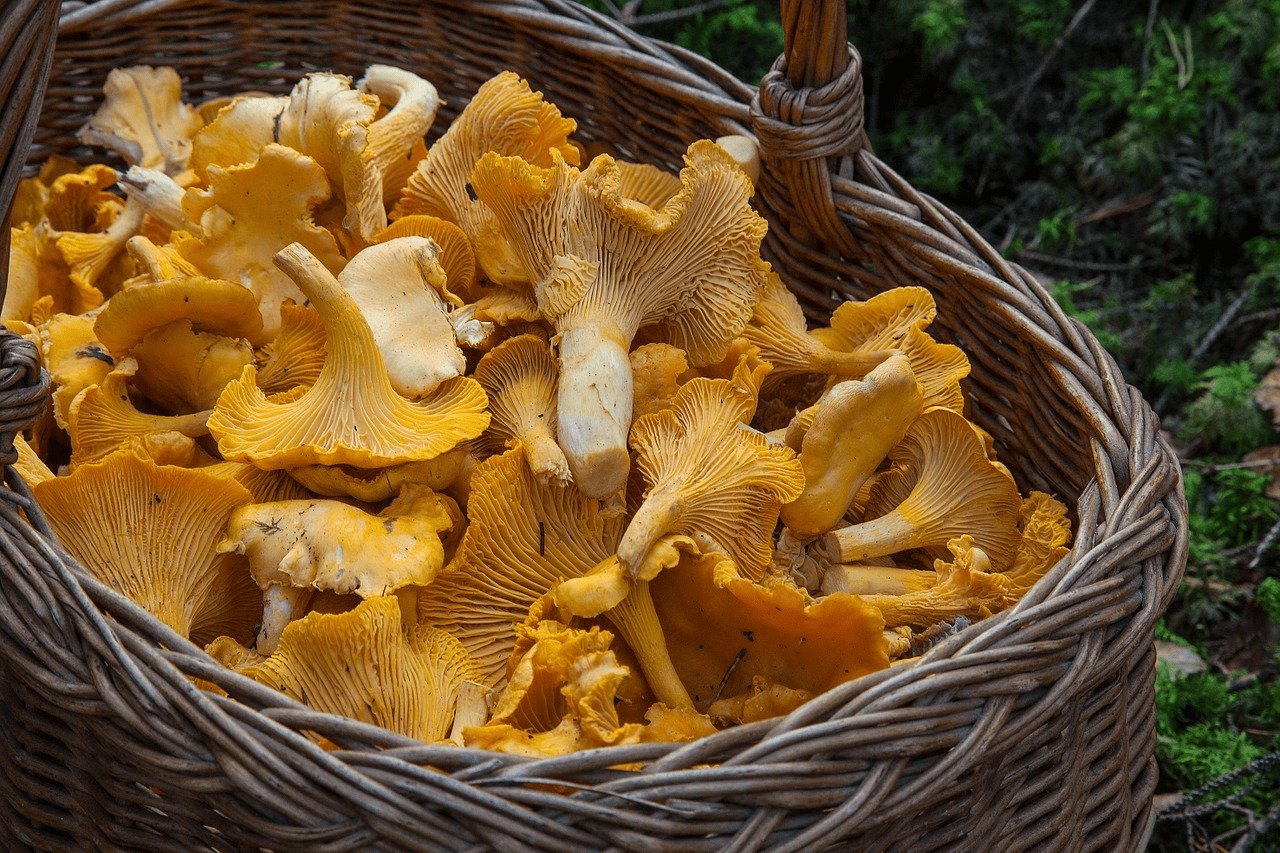
- Gourmet Mushrooms: Cultivating varieties like oyster, shiitake, or lion’s mane can be highly profitable. They can be grown indoors in controlled environments, allowing for year-round production. The demand from restaurants and health-conscious consumers is consistently strong.
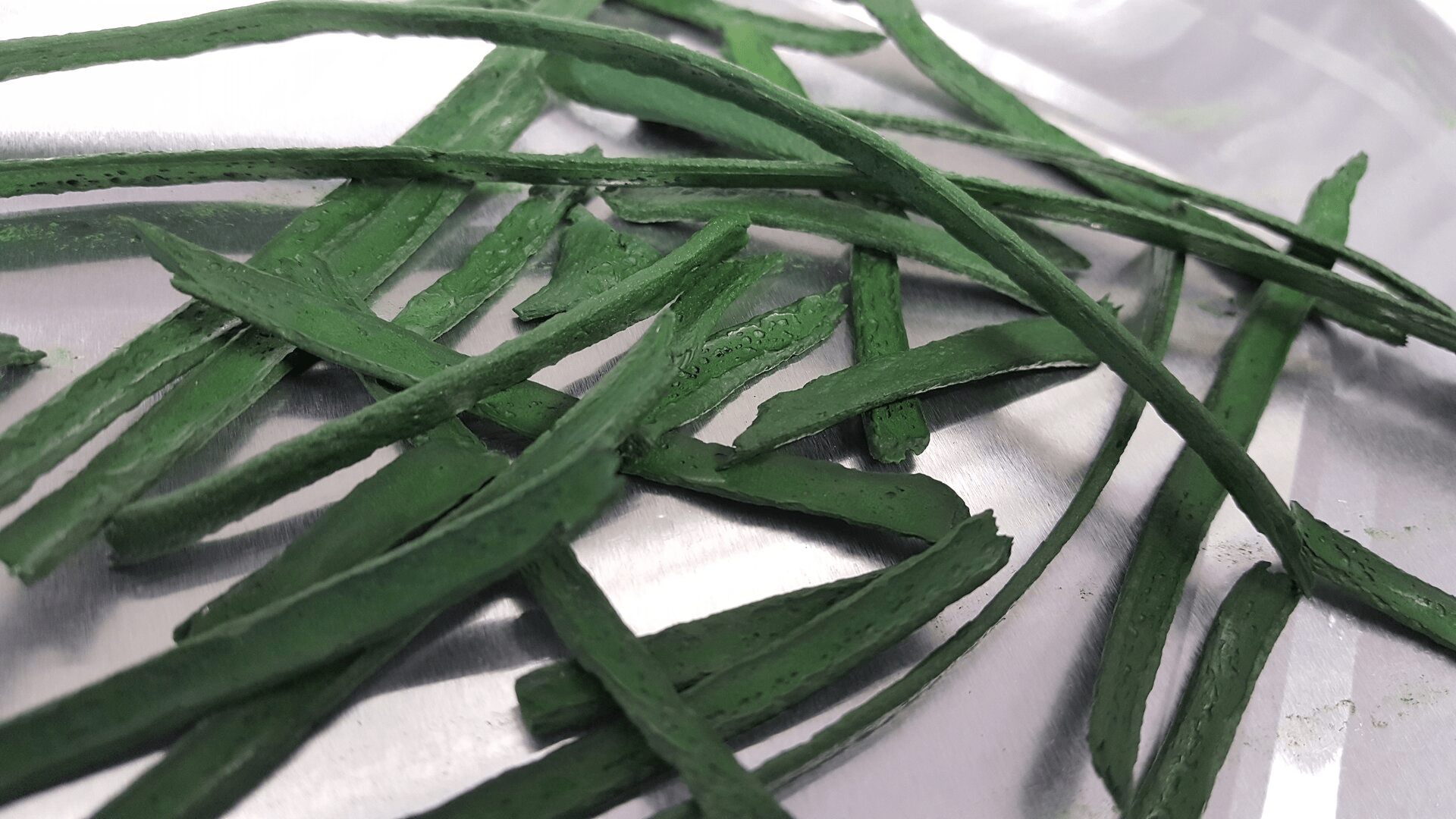
- Spirulina: This nutrient-dense blue-green algae is a superfood that can be grown in specialized ponds or bioreactors. It requires specific conditions (warm temperatures, alkaline water) but offers a high yield of a highly valuable product used in health supplements and food.
The Heart of the Homestead: Your Own Potager
Beyond cash crops, a well-planned “potager” or kitchen garden is essential for independent living. This isn’t just about food security; it’s about reducing your grocery bill, ensuring the freshest ingredients for your table, and often, having surplus to sell or trade. Grow a wide variety of seasonal vegetables, herbs, and cut flowers. Prioritize diversity for resilience against pests and diseases, and for continuous harvest.
Diversifying Income: Beyond the Field
Smart independent farmers understand the importance of multiple income streams.
- Tiny Houses & Rural Retreats: The rise of remote work has created a significant demand for peaceful, well-connected rural getaways. Installing a few charming tiny houses on your property, equipped with reliable high-speed internet, can provide a substantial and steady income. Offer unique experiences, such as farm-to-table meals, guided foraging, or participation in farm activities. This capitalizes on the desire for country living with urban amenities, attracting remote workers and tourists alike.

- Farm Stays & Workshops: Offer agritourism experiences, from picking your own fruit to workshops on jam-making, organic gardening, or mushroom cultivation.
- Value-Added Products: Turn your excess produce into jams, jellies, preserves, baked goods, herbal teas, or dried fruits. These often command higher prices and extend the shelf life of your harvest.
Planting for Success: The September Advantage
September is a crucial month for the independent farmer, often overlooked in the frenzy of summer harvesting.
- Perennial Establishment: It’s an ideal time to plant many fruit trees (apples, plums, figs) and berry bushes (raspberries). The soil is still warm enough for root development, but the cooler temperatures reduce transplant shock, allowing plants to establish strong root systems before winter dormancy.
- Winter Vegetables: Plant hardy greens like spinach, kale, lettuce, and brassicas for a late autumn or even early winter harvest.
- Cover Crops: Sow cover crops in your empty beds to protect soil from erosion, suppress weeds, and enrich the soil with organic matter for the following spring.
- Saffron Crocus: September is the traditional time to plant saffron crocus bulbs.
🌿 A Future Rooted in Resilience: The Eco-Farming Opportunity
The path of independent farming is undeniably challenging, but it offers far more than just financial reward—it presents a powerful opportunity to build a resilient and sustainable future.
By strategically focusing on high-value, climate-adapted crops (like Mirabelle plums or heirloom apples) and embracing sustainable, eco-farming practices, modern homesteaders transform their operations into vital environmental assets.
Furthermore, by creatively diversifying income streams through agritourism and tiny houses with robust internet access, these independent farms secure their financial future while meeting the social demand for green, remote living.
Ultimately, modern eco-farming allows homesteaders to cultivate not just their land, but a truly independent, prosperous, and climate-positive future for their communities and the planet.
Key Opportunities of Eco-Farming
- Social Impact: Providing local, transparent, and nutritious food while fostering rural economic growth.
- Ecological Health: Increased biodiversity and improved soil health via natural processes.
- Climate Mitigation: Enhanced carbon sequestration in agricultural lands.
- Economic Stability: Diversified income (produce, value-added goods, lodging) reduces reliance on volatile commodity markets.
Related Content
- The Most Profitable Crops to Grow
- Tiny Home Holiday Rentals | Airbnb
- Top 5 Sustainable Agricultural Innovations in 2025
- WWOOF | World Wide Opportunities on Organic Farms
- 35 Most Profitable Small Farm Ideas for 2025
- High income crops for the small or backyard grower