Unprecedented Floods in the Sahara Desert: A Stark Warning from Climate Change

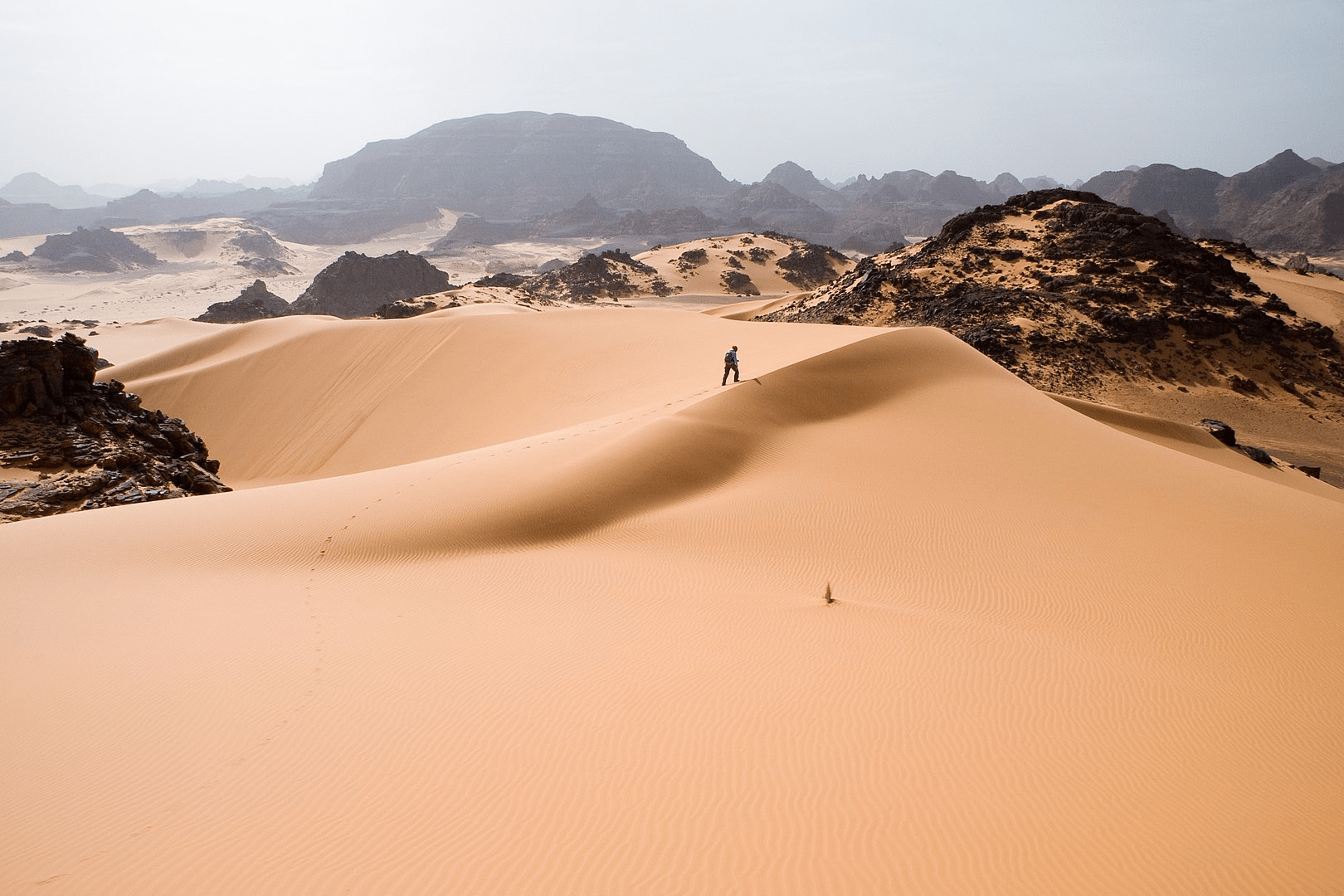
The unprecedented floods in the Sahara Desert in September, brought on by intense rainfall, created temporary lakes in the typically dry region and led to deadly flash floods. Scientists attribute this rare weather event to climate change, which is expected to increase the frequency of extreme weather in the region. The floods serve as a reminder that no place is immune to the effects of climate change, urging the need for global action, adaptation strategies, and better preparedness to handle the growing threat of climate-related disasters.

The Carbon Sink Crisis: Challenges and Solutions

The weakening of Earth’s carbon sinks presents a formidable challenge in our fight against climate change. The potential collapse of these systems could dramatically accelerate global warming, leading to catastrophic environmental and societal consequences. However, by implementing a combination of natural, technological, and policy solutions, we have the opportunity to restore and enhance these critical systems.

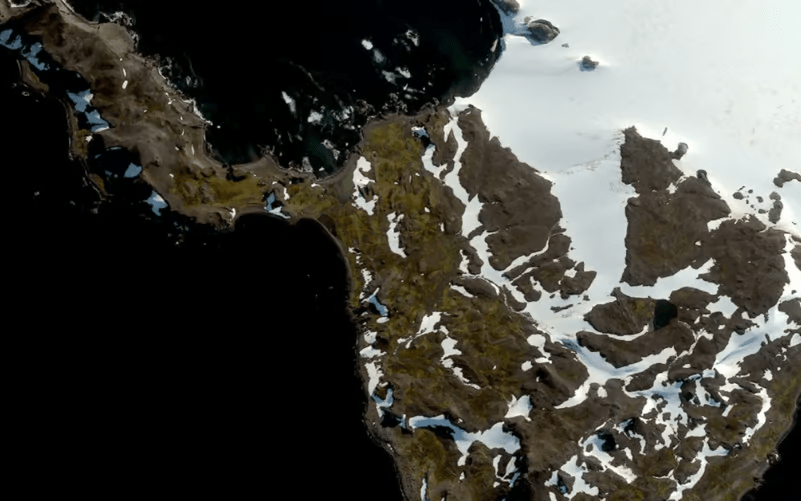
The Alarming Greening of Antarctica: Implications of Climate Change

The greening of Antarctica, while initially appearing positive, presents several alarming consequences for its fragile ecosystem. One of the most pressing concerns is the potential for invasive species to establish themselves in the region, disrupting the delicate balance and threatening native flora and fauna.

Germany Turns on the Most Powerful Generator in History: RWE’s Green Hydrogen Initiative

In a significant milestone for the global energy transition, Germany has switched on one of the most powerful generators in the world, as part of an ambitious green energy project led by RWE, one of the country’s leading energy providers. This groundbreaking initiative focuses on the production of green hydrogen, a clean, sustainable fuel that has the potential to transform industries reliant on fossil fuels. The generator is central to Germany’s strategy to decarbonize key sectors, reduce carbon emissions, and shift towards renewable energy sources. This project not only underscores Germany’s leadership in green innovation but also highlights the growing importance of hydrogen as a key player in achieving global climate targets. With this initiative, the country moves closer to creating a sustainable energy infrastructure that could revolutionize the energy industry worldwide.

Could 1.2% of the Sahara Desert Power the World? A Theoretical Solution to Global Energy Demand

In a world grappling with climate change and fossil fuel depletion, renewable energy sources such as solar power are becoming increasingly viable. One compelling proposal suggests covering just 1.2% of the Sahara Desert with solar panels to generate enough electricity to meet the world’s energy needs. While the theoretical potential is enormous, this plan faces significant logistical, environmental, and geopolitical challenges. From infrastructure demands to international cooperation, the project would require massive global collaboration. However, the long-term benefits, including sustainable energy and reduced carbon emissions, make it an intriguing prospect for the future.

Free Worldwide shipping

On orders dispatched and delivered within the same country.

Easy 30 days returns

30 days money back guarantee

International Warranty

Offered in the country of usage

100% Secure Checkout

PayPal / MasterCard / Visa