Unleashing Gemini: A Deep Dive into Google’s Revolutionary AI Model

Gemini, Google’s latest advancement in artificial intelligence (AI), embodies a harmonious fusion of innovation and responsibility. Its advanced coding capabilities and multimodal prowess showcase the transformative potential of AI in serving the planet, health, ecology, and sustainability. Google’s commitment to safety, transparency, and collaboration sets the stage for a future where AI becomes a collaborative tool, assisting developers and users alike. With Gemini, Google is not just unveiling a model; it’s shaping the future of AI and its impact on the world.

Researchers Developing AI to Make the Internet More Accessible

In an ambitious initiative aimed at advancing internet accessibility for individuals with disabilities, a team of researchers at The Ohio State University has embarked on the groundbreaking development of an artificial intelligence (AI) agent. This innovative agent is designed to navigate and execute intricate tasks across a spectrum of websites through the use of simple and direct language commands. Recognizing the evolving nature of the internet, which has become an integral part of society, the researchers are addressing the challenges posed by its complexity, especially for those with disabilities. The project, led by Yu Su, co-author of the study and an assistant professor of computer science and engineering at Ohio State, seeks to create a more inclusive digital environment by empowering individuals to interact with the vast online landscape effortlessly.

Engineering Viruses to Combat Deadly Pathogens

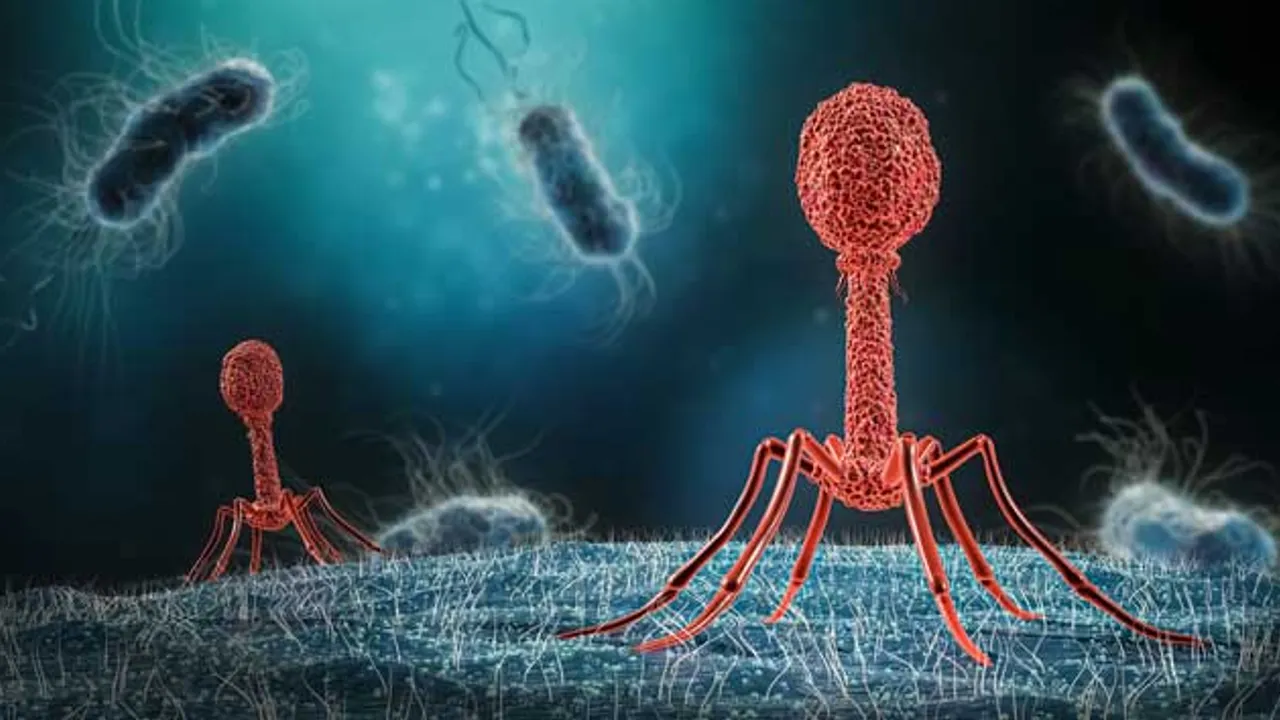
In this groundbreaking study, Northwestern University researchers have reached a significant milestone in the realm of combating deadly pathogens by engineering viruses. The focus of their innovative approach lies in the meticulous modification of the DNA of a bacteriophage—a type of virus specialized in infecting bacteria. The researchers harnessed this modified DNA to target and eliminate Pseudomonas aeruginosa (P. aeruginosa), a notorious bacterium known for its high resistance to antibiotics and lethality. This breakthrough marks a pivotal step towards developing targeted therapies to address antibiotic-resistant bacteria, offering a potential solution to a critical global health challenge.

Precursor of cholesterol protects cells from ferroptosis

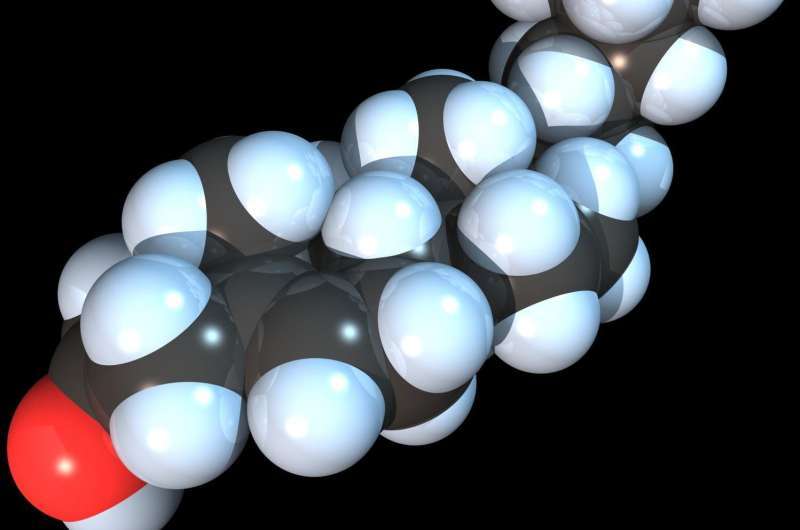
In a groundbreaking study led by Würzburg Professor José Pedro Friedmann Angeli, researchers have unveiled a surprising role for the cholesterol precursor, 7-dehydrocholesterol (7-DHC), as a crucial antioxidant. The study demonstrates that 7-DHC integrates into cell membranes, shielding cells from a specific type of cell death known as ferroptosis.

Autonomous Synthesis Robot ‘RoboChem’ Revolutionizes Chemical Discovery with AI

The development of RoboChem by the chemists at the University of Amsterdam (UvA) marks a significant leap in the realm of chemical synthesis. This autonomous robot, propelled by an integrated AI-driven machine learning unit, has emerged as a game-changer by outperforming human chemists in terms of both speed and accuracy. The implications of RoboChem’s capabilities extend far beyond the laboratory, holding the promise of accelerating chemical discovery across diverse applications, with pharmaceuticals being a focal point. The recent publication of RoboChem’s groundbreaking results in the esteemed journal Science on January 25 underscores the importance and potential impact of this technological marvel on the field of chemistry.

The Plastic Straw Dilemma: Unveiling Variations in Degradability

In the ongoing battle against plastic pollution, the focus has shifted towards the often-overlooked plastic straws, which have long been emblematic of the detrimental impacts of single-use plastics on the environment. The convenience of plastic straws, coupled with their seemingly innocuous nature, has led to their widespread usage, contributing significantly to the global plastic pollution crisis. Recent studies, however, have brought to light a fascinating revelation that is reshaping our understanding of this ubiquitous item: not all plastic straws are created equal when it comes to their rate of degradation. This breakthrough carries significant implications for environmental conservation efforts, offering a nuanced perspective on how the materials used in straw production can influence their environmental impact.

Free Worldwide shipping

On orders dispatched and delivered within the same country.

Easy 30 days returns

30 days money back guarantee

International Warranty

Offered in the country of usage

100% Secure Checkout

PayPal / MasterCard / Visa