Unveiling the Science Behind Happiness: Secrets to a Fulfilling Life

Unlocking the secrets to a fulfilling life involves delving into the science behind happiness. From the intricate workings of the brain to the profound impact of social connections, understanding the underlying mechanisms is paramount. Neuroscience reveals the specific brain regions and neurotransmitters associated with happiness, while psychological perspectives shed light on the role of mindset and cognitive biases. Moreover, the significance of social relationships cannot be overstated, as they profoundly influence our well-being. Pursuing purpose and meaning adds another dimension to the equation, highlighting the importance of setting meaningful goals and contributing to something larger than ourselves. By incorporating practices such as mindfulness, gratitude, and physical well-being, we can cultivate sustainable happiness. However, obstacles inevitably arise, challenging our resilience and perseverance. Nevertheless, armed with knowledge and strategies, we can navigate these hurdles and embark on a journey toward a more fulfilling life.

Scientists discover hidden army of lung flu fighters

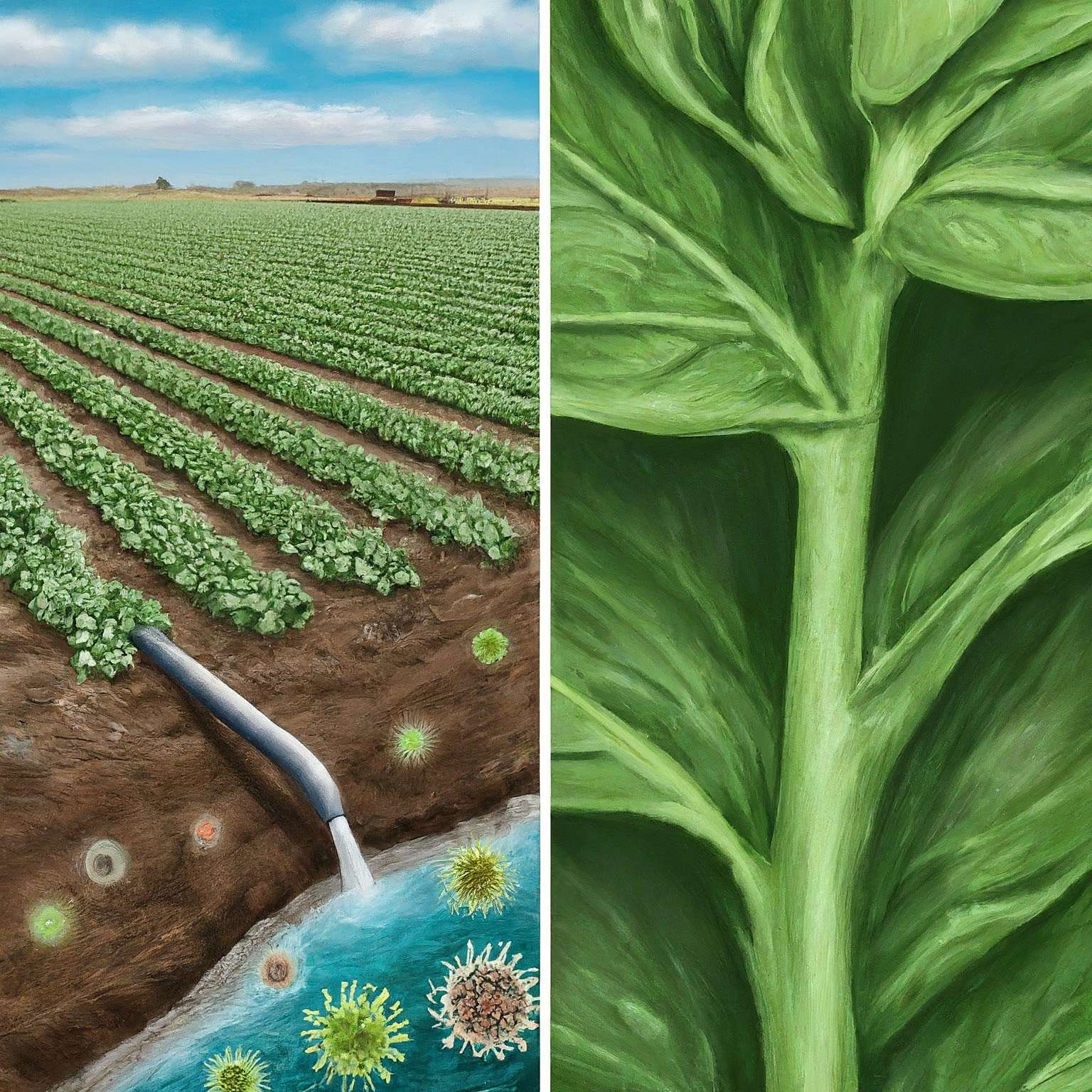
In the annals of medical science, the fluid-filled sac encasing the lungs has long been relegated to a role of passive protection, shielding the delicate pulmonary structures from external trauma. However, a groundbreaking revelation has emerged from the depths of research, illuminating a previously overlooked aspect of this seemingly mundane anatomical feature: it serves as a reservoir for formidable virus-eating cells known as macrophages, which spring into action during influenza infections, orchestrating a defense mechanism of remarkable potency and precision.

AI in the Lab: 5 Ways Researchers are Harnessing Machine Intelligence

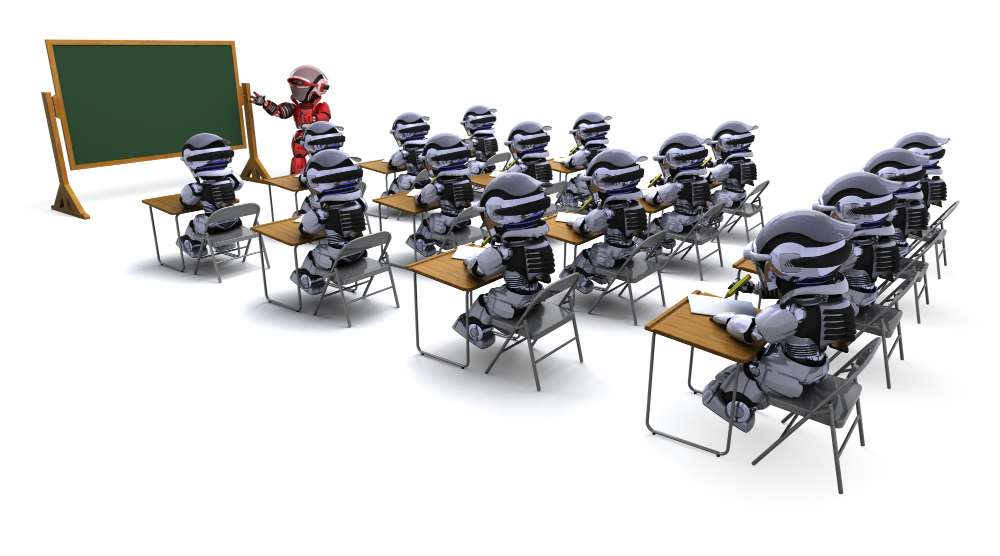
In laboratories worldwide, the integration of artificial intelligence (AI) is revolutionizing scientific research across diverse disciplines. By automating experimentation, researchers can focus on higher-level tasks while AI-driven robotic systems handle routine procedures, leading to increased efficiency and reproducibility. Moreover, predictive modeling powered by AI algorithms enables scientists to anticipate outcomes and generate hypotheses, guiding experimental design more effectively. In data analysis, AI’s prowess in pattern recognition helps identify subtle correlations within complex datasets, enhancing researchers’ understanding of experimental results. AI’s impact extends to drug discovery, where it expedites processes like virtual screening and lead optimization, significantly reducing time and costs. Furthermore, in healthcare, AI facilitates personalized medicine by analyzing patient data to tailor treatments, promising improved outcomes and more precise healthcare delivery. As AI continues to evolve, its integration into laboratory workflows holds immense potential to accelerate discoveries and drive innovation across scientific fields.

Biomanufacturing using chemically synthesized sugars enables sustainable supply of sugar without competing with food

In the quest for sustainable industrial practices, the realm of biomanufacturing has emerged as a beacon of promise, offering eco-conscious alternatives to conventional methods. However, the reliance on biomass sugars, particularly sourced from agricultural staples like corn, has precipitated formidable challenges, chief among them being the competition with food production. The burgeoning demand for fuels and chemical products exacerbates this strain, prompting concerns about the sustainability and ethical implications of further expanding agricultural processes. In a watershed study recently published in ChemBioChem, a consortium of researchers from Osaka University, in collaboration with esteemed partners, has unveiled a paradigm-shifting approach to biomanufacturing. Their groundbreaking methodology, underpinned by the utilization of chemically synthesized non-natural sugars, promises to revolutionize the landscape of industrial production by circumventing traditional resource constraints. This innovative approach not only addresses the pressing issue of food competition but also offers a glimpse into a future where industrial processes can thrive without imposing undue burdens on agricultural systems.

Beyond Human Limits: Can AI Crack the Mysteries of the Universe?

In the ever-expanding quest to grasp the intricacies of the cosmos, the emergence of artificial intelligence (AI) stands as a beacon of hope, offering unprecedented opportunities to transcend human limitations. With its capacity to swiftly analyze massive datasets, recognize intricate patterns, and even simulate complex phenomena, AI has become an invaluable tool in the realm of astrophysics and cosmology. From deciphering the enigmatic nature of dark matter to unraveling the mysteries surrounding the origins of the universe, AI is poised to revolutionize our understanding of the cosmos. However, amidst the excitement, we must also confront the inherent challenges and limitations of AI in this domain. The sheer complexity of cosmic data presents formidable obstacles, while the interpretation of results and the generation of novel hypotheses remain tasks that elude purely algorithmic approaches. Thus, while AI holds tremendous promise in cracking the mysteries of the universe, its true potential lies in collaboration—a fusion of human intuition with machine intelligence—to navigate the vast expanses of cosmic inquiry.

Unveiling Mimas’ Hidden Secret: A Youthful Ocean Beneath Saturn’s Tiny Moon

In the vast expanse of our Solar System, amidst the rings and moons of Saturn, a small celestial body harbors a profound secret: Mimas, one of Saturn’s smallest moons, hides beneath its cratered exterior a vast, global ocean of liquid water. This revelation, spearheaded by Dr. Valéry Lainey of the Observatoire de Paris-PSL and unveiled in the renowned pages of Nature, not only reshapes our understanding of Mimas but also ignites speculation about the potential for life beyond Earth. The discovery of this youthful ocean, believed to have formed a mere 5 to 15 million years ago, casts Mimas in a new light, positioning it as a captivating enigma awaiting further exploration and investigation.

Free Worldwide shipping

On orders dispatched and delivered within the same country.

Easy 30 days returns

30 days money back guarantee

International Warranty

Offered in the country of usage

100% Secure Checkout

PayPal / MasterCard / Visa