Climate change is arguably the most pressing environmental challenge facing humanity today. Its far-reaching consequences threaten ecosystems, economies, and the very fabric of human civilization.


Climate change is arguably the most pressing environmental challenge facing humanity today. Its far-reaching consequences threaten ecosystems, economies, and the very fabric of human civilization.

Health is more than just the absence of disease. It’s a multifaceted state of well-being encompassing physical, mental, and emotional dimensions.

In today’s world, the health of our planet is a pressing concern. Images of melting glaciers and overflowing landfills serve as stark reminders of the impact our consumption habits have on the environment.
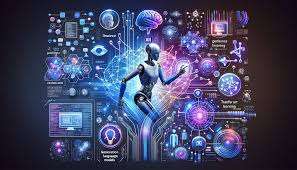
Artificial intelligence (AI) is rapidly transforming our world, seeping into every facet of our lives from the way we work to how we interact with technology.

The environment is no longer a topic relegated to nature documentaries or Earth Day celebrations. The urgency of addressing climate change and environmental degradation is undeniable.
Artificial intelligence (AI) has become a ubiquitous term, woven into the fabric of our daily lives. From the moment we wake up and interact with our smart speakers to the personalized recommendations that populate our social media feeds, AI is subtly shaping our experiences.