The Hidden Carbon Footprints of the Wealthy

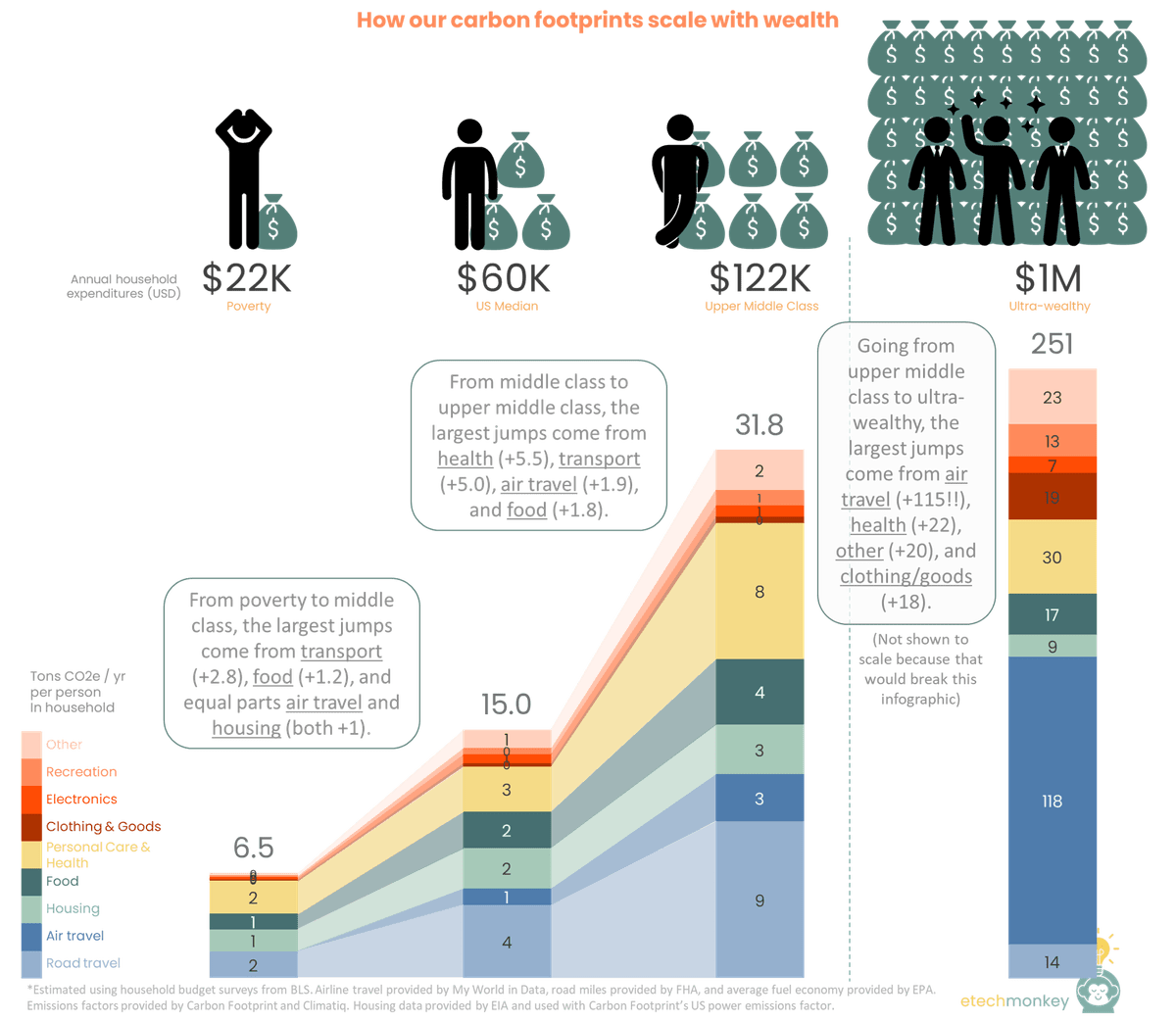
A recent study by Copenhagen Business School has revealed a critical misconception about climate change: the wealthiest 1% of the global population produces approximately 160 times more carbon emissions than the poorest 50%. While public attention often focuses on the environmental impacts of low-income individuals, the reality is that the wealthy’s high consumption patterns, frequent air travel, and investments in fossil fuel industries are the main drivers of emissions. This disparity not only impacts public perception but also shapes climate policies in ways that may hinder meaningful progress. Addressing the role of the wealthy in climate change requires targeted solutions, including progressive carbon taxes, wealth redistribution, and sustainable investment regulations. Only by focusing on those with the largest environmental impact can we achieve a more equitable and effective transition to a low-carbon future.

BMW’s Hydrogen Engine: A Leap Towards a Sustainable Future

BMW’s hydrogen-powered engine is a significant leap in the automotive industry’s pursuit of sustainable alternatives. Hydrogen vehicles produce zero emissions, offering an environmentally friendly option to reduce air pollution and greenhouse gases. However, hydrogen’s full potential can only be realized by addressing several ecological challenges, such as carbon-intensive hydrogen production, the need for more hydrogen refueling stations, and the high costs of production and storage. BMW’s innovation, in partnership with Toyota, has advanced hydrogen fuel cell technology, demonstrating high performance and efficiency. By investing in green hydrogen, infrastructure, and cost reduction, the future of hydrogen-powered vehicles looks promising. Hydrogen could soon become a key player in reducing global emissions and promoting cleaner transportation.

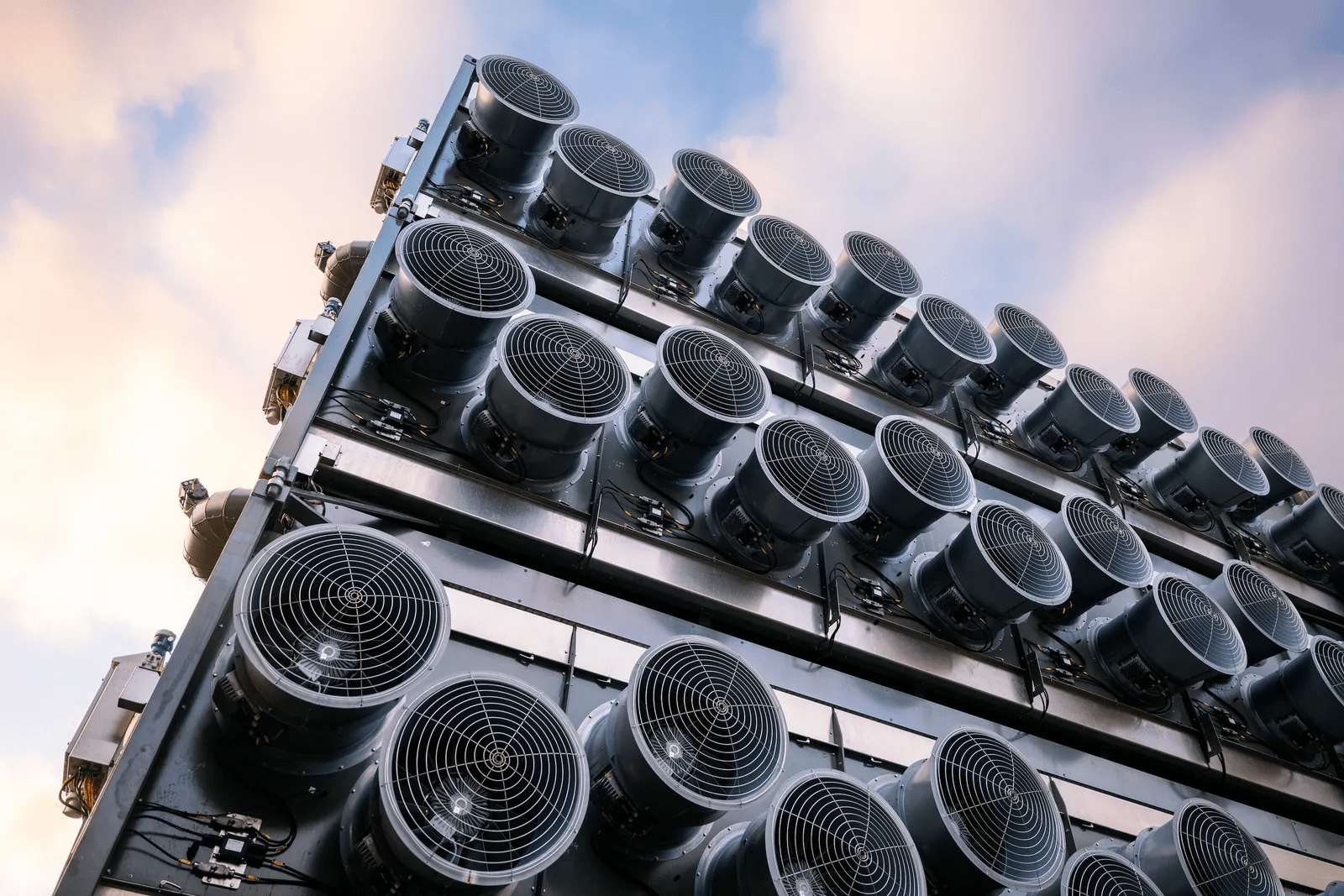
The Largest CO2 Vacuum Cleaner in the World: Tackling Climate Change with Innovation

Soils are one of the largest carbon reservoirs on the planet, containing more carbon than the atmosphere and all plant biomass combined. Regenerative agriculture, no-till farming, and cover cropping are key practices that help enhance the ability of soils to store carbon. These sustainable methods not only improve soil health and resilience but also significantly reduce greenhouse gas emissions from agriculture, creating a more sustainable and climate-resilient future for food production.

The Race to Net Zero: A Global Climate Countdown

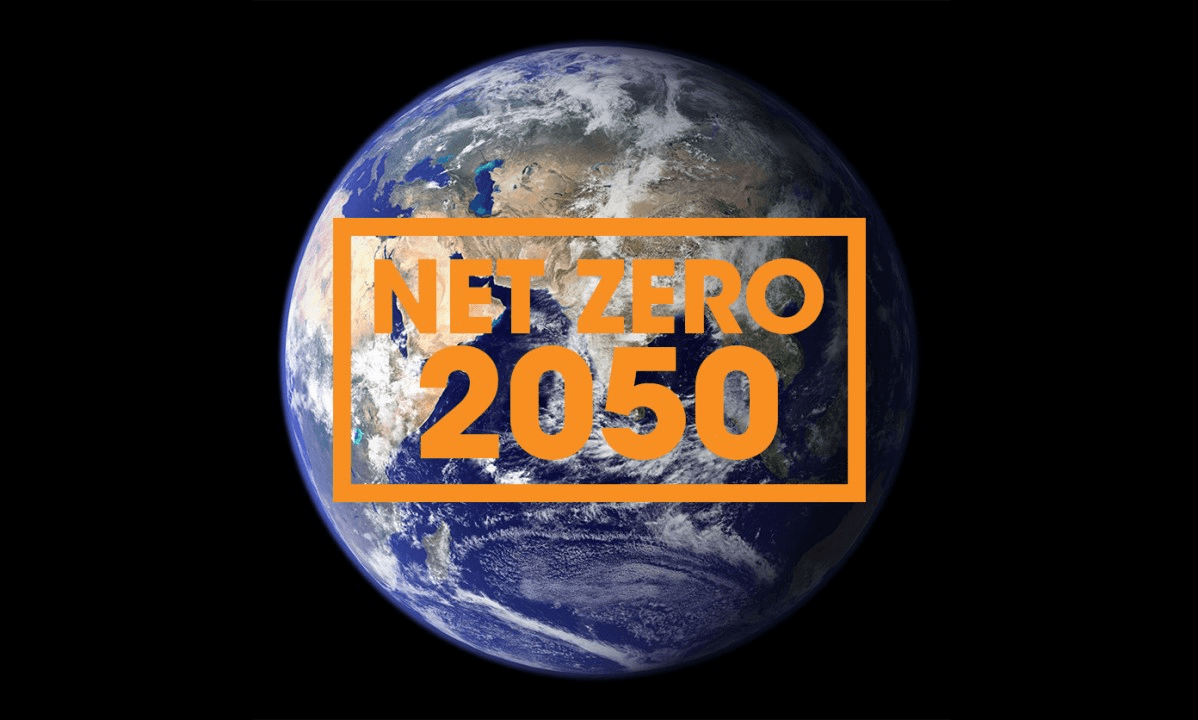
The global race to net zero is intensifying, as governments, corporations, and individuals strive to curb carbon emissions and mitigate the devastating impacts of climate change. Efforts to transition to renewable energy, embrace electric vehicles, and adopt sustainable practices are growing worldwide. Yet, despite the encouraging progress, formidable challenges remain—vast infrastructure investments are needed, technological breakthroughs must be accelerated, and international cooperation is crucial to ensure no nation is left behind. With every passing year, the consequences of inaction become more dire, and the pressure to achieve net zero by 2050 becomes more urgent. The clock is ticking—will the world unite and act in time to secure a livable future for all?

9 of the Best Sustainable Vegan Restaurants Across the U.S.: Ecological Solutions for a Greener Future

As the environmental consequences of animal agriculture become more pressing, vegan restaurants across the U.S. are stepping up to provide more than just plant-based meals. Beyond being vegan, many are embracing significant sustainability practices that reduce their overall environmental impact. These ecological solutions include everything from renewable energy to waste reduction, demonstrating that dining can be both delicious and responsible.

Ocean Cleanup Group Targets Great Pacific Garbage Patch Elimination: Ecological and Climate Change Considerations, and Solutions

The Ocean Cleanup, a nonprofit organization, is on track to eliminate the Great Pacific Garbage Patch, a massive floating area of plastic waste, by 2034. This effort is crucial for both marine biodiversity and climate change mitigation, as plastic pollution not only harms marine ecosystems but also contributes to greenhouse gas emissions. Through technological innovations and a $7.5 billion funding goal, the organization aims to rid the oceans of this environmental hazard, but broader action is necessary to prevent further plastic pollution.

Free Worldwide shipping

On orders dispatched and delivered within the same country.

Easy 30 days returns

30 days money back guarantee

International Warranty

Offered in the country of usage

100% Secure Checkout

PayPal / MasterCard / Visa