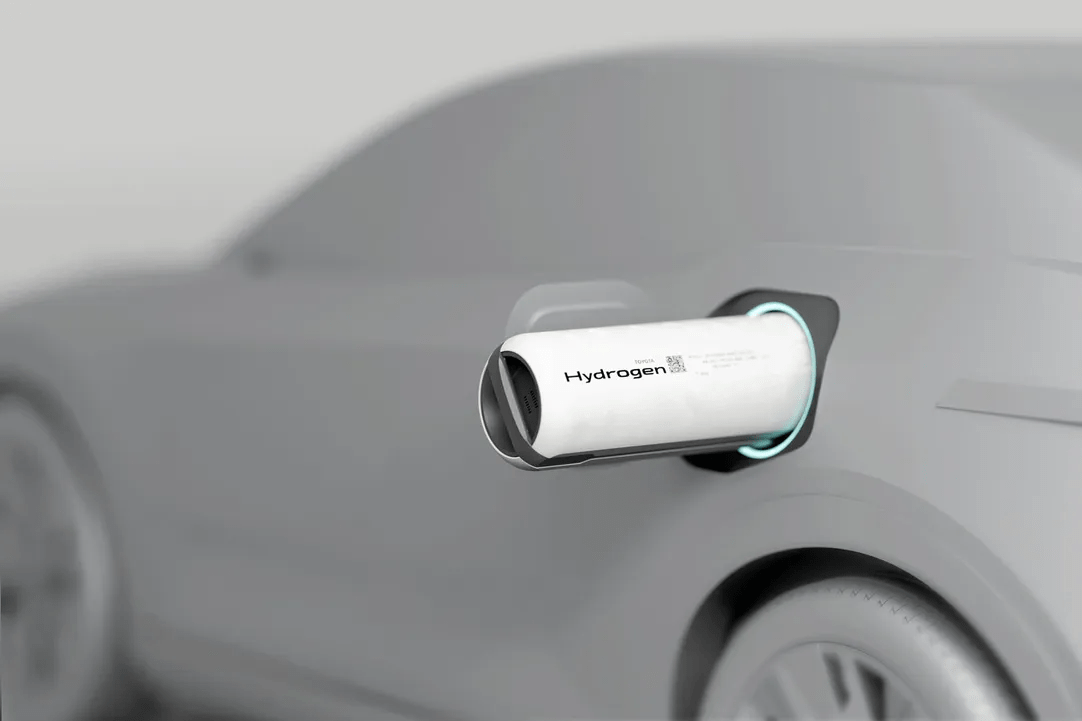
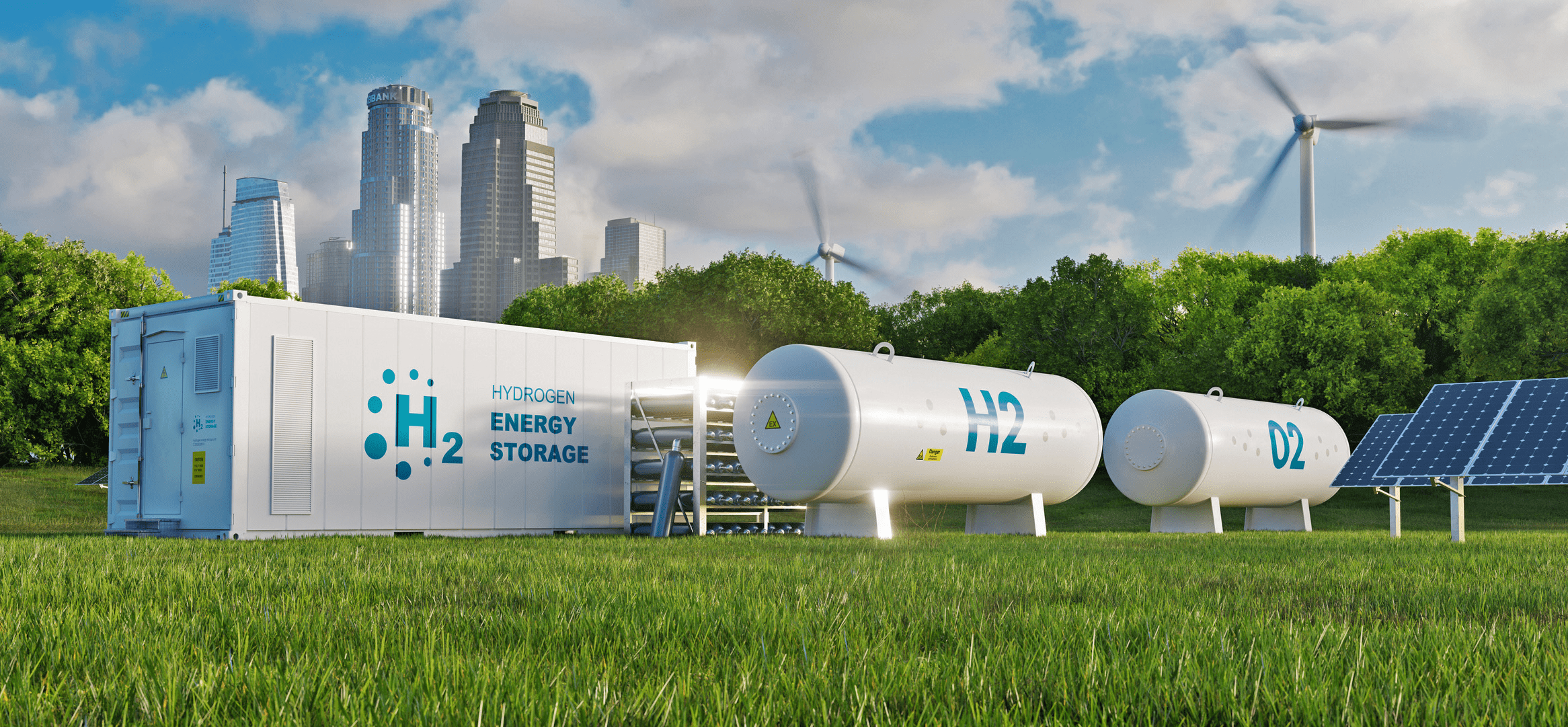
MIT Develops Battery-Free Solar Desalination System: A Game-Changer for Clean Water Access

MIT’s battery-free solar desalination system represents a major step forward in the quest for sustainable water solutions. By making clean water more accessible and reducing the reliance on traditional energy-intensive desalination methods, this innovation has the potential to transform water management in regions facing severe water scarcity.
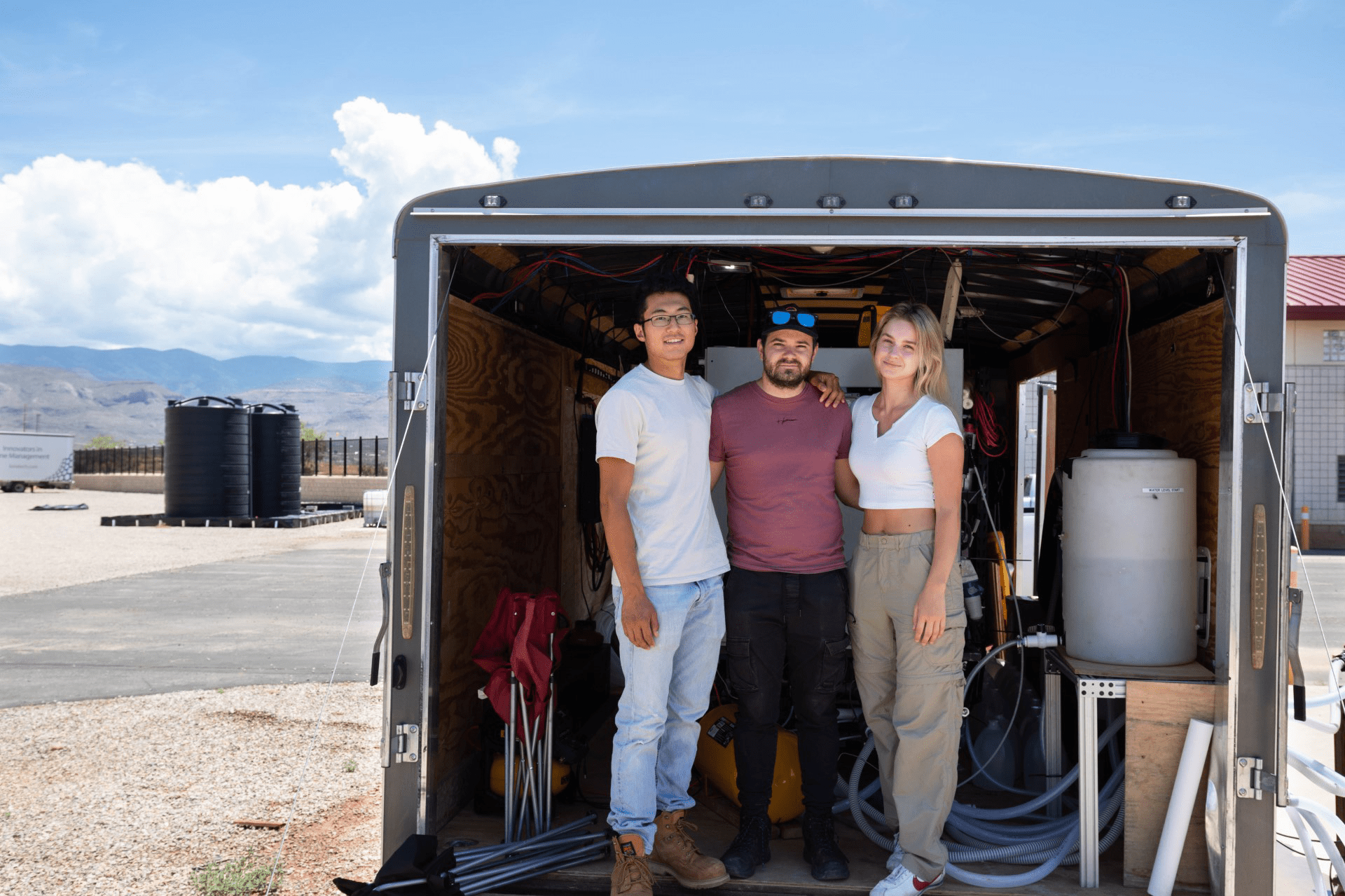
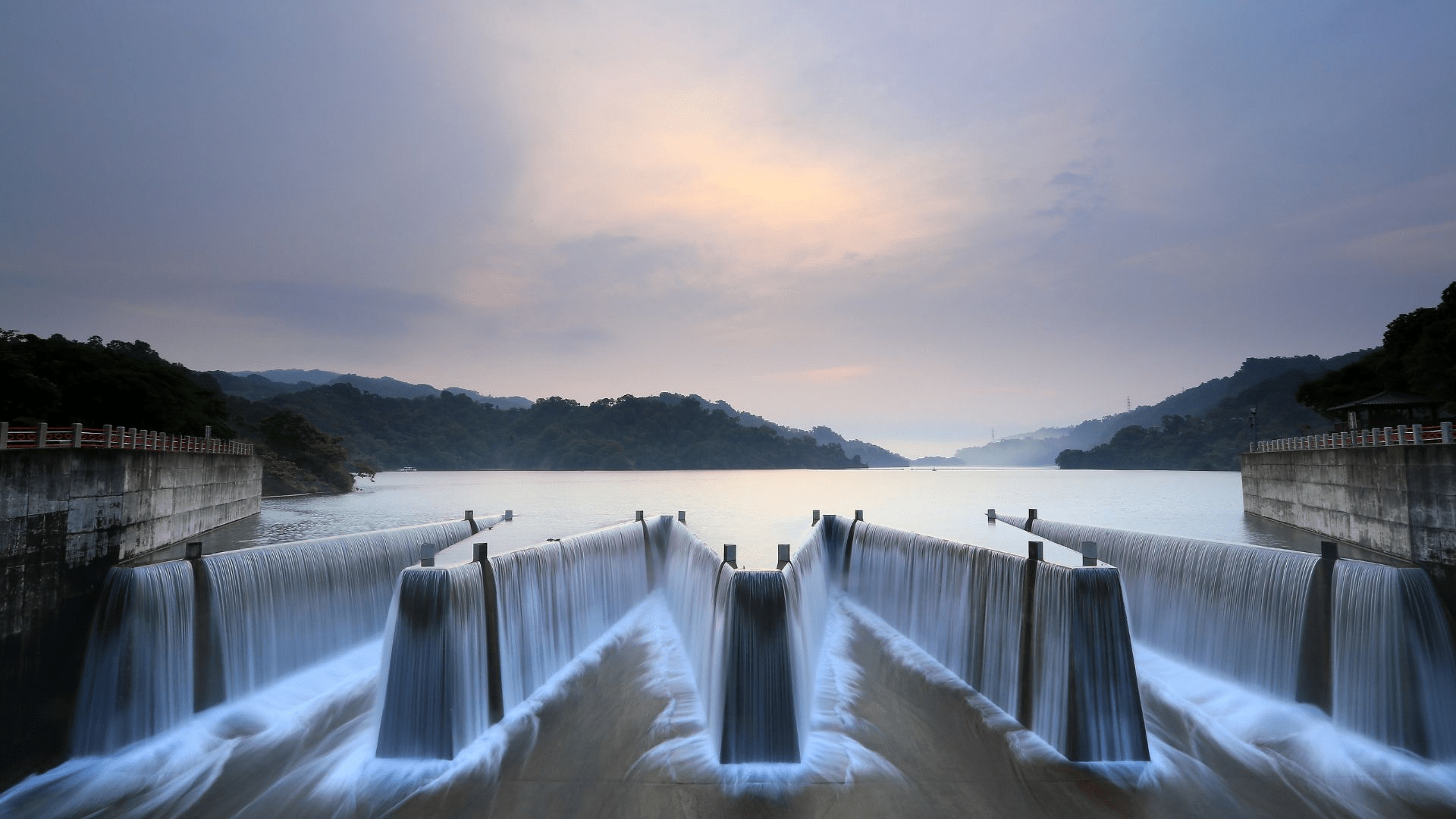
Global Water Resources Crisis: WMO Report Urges Immediate Action to Combat Climate-Induced Water Shortages

Water scarcity is becoming a critical global issue, with certain regions facing severe water stress due to factors like population growth, urbanization, climate change, and pollution. The Middle East, South Asia, Sub-Saharan Africa, and Western United States are among the most affected areas. Water stress has serious consequences for agriculture, human health, ecosystems, and economies. Addressing this issue requires a multifaceted approach involving water conservation, infrastructure development, wastewater treatment, and international cooperation to ensure long-term water security.

The Regional Impacts of Climate Change in France: Understanding the Crisis and Finding Solutions

Climate change is a global crisis with profound regional impacts. In France, the effects are already being felt in the form of more frequent and intense heatwaves, droughts, floods, and rising sea levels. These changes are having a significant impact on agriculture, tourism, energy, and other sectors of the French economy.

It is imperative that we understand the regional impacts of climate change in France and take immediate action to mitigate and adapt to these effects. By doing so, we can protect our communities, economy, and environment for generations to come.

The Alarming Greening of Antarctica: Implications of Climate Change

The greening of Antarctica, while initially appearing positive, presents several alarming consequences for its fragile ecosystem. One of the most pressing concerns is the potential for invasive species to establish themselves in the region, disrupting the delicate balance and threatening native flora and fauna.

Green Hydrogen Can’t Fully Decarbonize Cement Production: An In-Depth Look at Solutions

While green hydrogen presents a promising opportunity for reducing emissions in the cement industry, achieving substantial decarbonization requires a broader, multi-faceted approach. Key strategies include increasing the use of clinker alternatives like fly ash and calcined clay, improving energy efficiency through technological upgrades, and adopting carbon capture, utilization, and storage (CCUS) solutions. Additionally, ongoing research and development, alongside supportive government policies and incentives, will be essential to driving innovation and sustainable practices within the industry.

Free Worldwide shipping

On orders dispatched and delivered within the same country.

Easy 30 days returns

30 days money back guarantee

International Warranty

Offered in the country of usage

100% Secure Checkout

PayPal / MasterCard / Visa