Elon Musk’s Fellowship in the Royal Society: Implications for Ecology and Preserving Our Planet

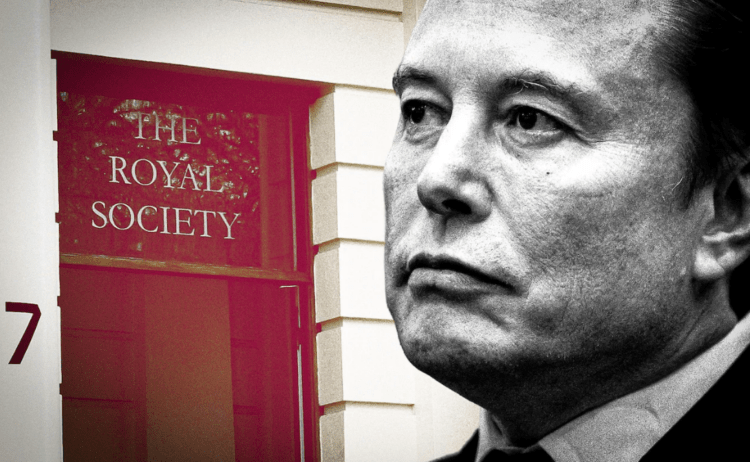
Elon Musk’s fellowship in the Royal Society remains a contentious issue, highlighting tensions between innovation and ethical responsibility. Despite calls for his expulsion due to controversial conduct and perceived threats to scientific integrity, Musk retains his position within the prestigious institution. This decision raises critical questions about the role of influential figures in shaping public perception and policy related to ecological preservation. As debates persist over accountability and advocacy in scientific circles, the broader implications for global efforts to combat climate change and protect biodiversity come into sharp focus. The balance between celebrating technological advancements and addressing their potential drawbacks is more crucial than ever in safeguarding the future of our planet.

Biophotovoltaic Systems: The Next Evolution in Solar Energy

In a groundbreaking development, German researchers have pioneered biophotovoltaic systems using cyanobacteria that convert solar energy into electricity while capturing CO2. This innovative technology could revolutionize renewable energy by offering a self-repairing, environmentally friendly alternative to traditional solar panels.

Mercedes-Benz Revolutionizes Electric Vehicles with Solar Paint

Mercedes-Benz has unveiled a revolutionary advancement in the automotive industry: solar paint technology. This innovation transforms vehicles into mobile solar panels, capable of generating electricity directly from sunlight. By integrating advanced photovoltaic cells into a thin, durable coating, this breakthrough not only enhances the efficiency and range of electric vehicles (EVs) but also significantly reduces their reliance on traditional charging infrastructure. With the potential to provide up to 20,000 kilometers of additional range annually, this technology is set to redefine the future of transportation, promoting sustainability and energy independence.

Sustainability and Ecology: The Future of Aviation with Blended-Wing Aircraft

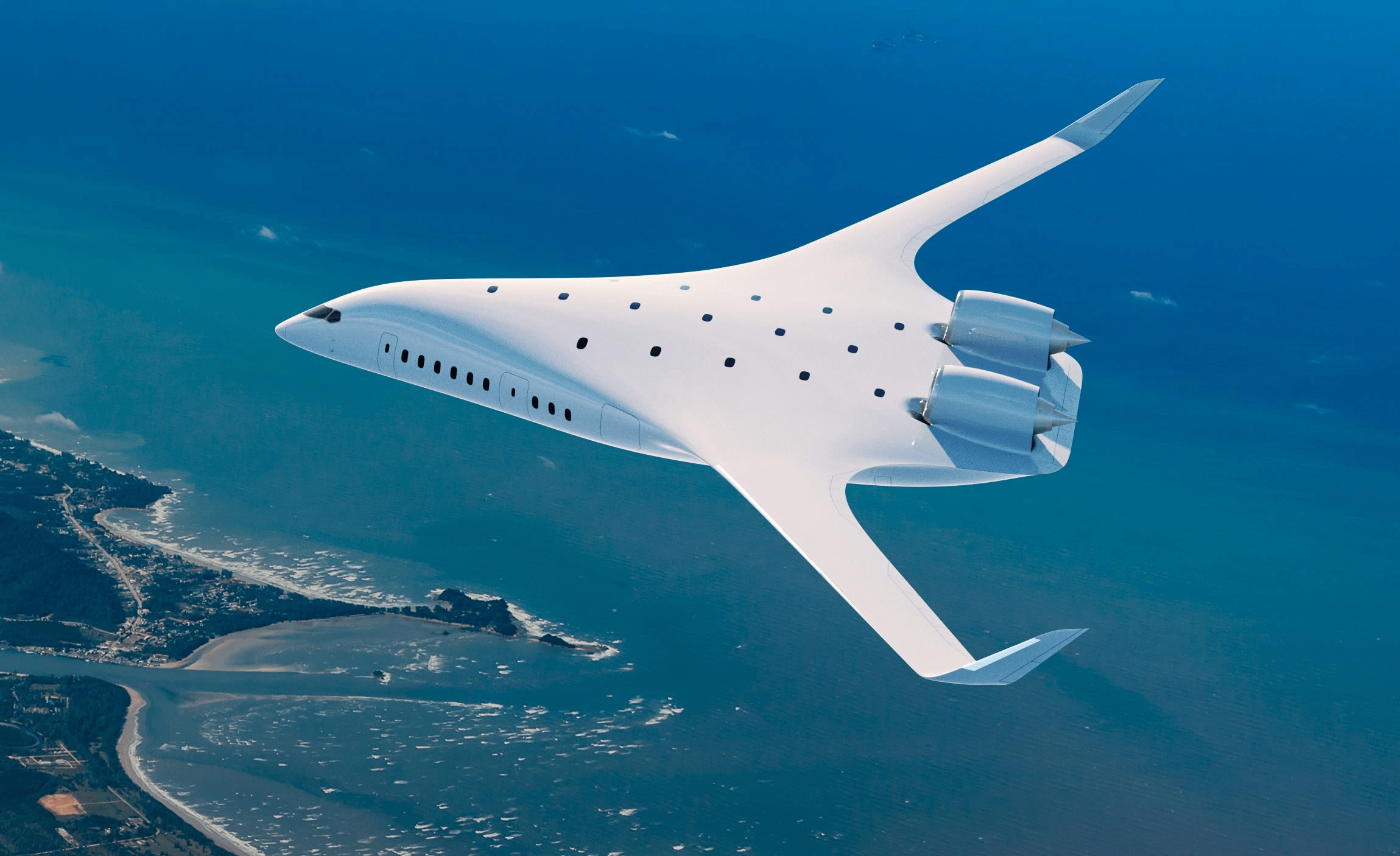
The aviation industry is on the brink of a transformative leap with the development of a new passenger plane featuring a “blended wing” design. This innovative aircraft, set to take to the skies by 2030, promises to cut fuel consumption by 50% and significantly reduce noise pollution. As the world grapples with the urgent need to address climate change and reduce carbon emissions, this breakthrough highlights the potential for sustainable innovation in aviation. Beyond its immediate benefits, the blended-wing design also underscores the importance of rethinking traditional systems to align with ecological goals.

Plasma Ignition: A Revolutionary Step Towards Sustainable Combustion Engines

The automotive industry is on the brink of a transformative breakthrough with the advent of plasma ignition, a cutting-edge technology poised to redefine the way combustion engines operate. By replacing traditional spark plugs with powerful electronic bursts, plasma ignition promises to deliver cleaner, more efficient, and versatile engines. While still in its developmental stages, this innovation has the potential to significantly reduce emissions, improve fuel economy, and pave the way for a more sustainable future in transportation.

Free Worldwide shipping

On orders dispatched and delivered within the same country.

Easy 30 days returns

30 days money back guarantee

International Warranty

Offered in the country of usage

100% Secure Checkout

PayPal / MasterCard / Visa