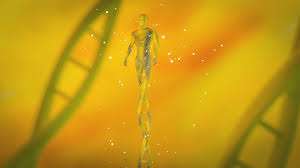
A groundbreaking discovery has unveiled a novel code within DNA, now known as “spatial grammar,” which holds immense potential for transforming our comprehension of gene activity within the human genome.

A groundbreaking discovery has unveiled a novel code within DNA, now known as “spatial grammar,” which holds immense potential for transforming our comprehension of gene activity within the human genome.

In the face of growing cybersecurity threats, NGOs must prioritize data protection. This article compares leading VPN services, highlighting Surfshark as the best solution for its cost-effectiveness, features, and commitment to sustainability.

Recent environmental reports indicate record ocean temperatures and accelerating biodiversity loss, underscoring the urgent need for action. By focusing on renewable energy, conservation, and addressing plastic pollution, we can mitigate these issues and work towards a sustainable future.

The development of Computational Random Access Memory (CRAM) by researchers at the University of Minnesota represents a significant breakthrough in AI technology. By integrating memory and processing functions, CRAM drastically reduces energy consumption, addressing critical concerns about the sustainability of AI. This innovation not only promises more efficient AI computation but also has far-reaching environmental benefits, potentially reducing the carbon footprint of AI systems and decreasing electronic waste.

Artificial intelligence (AI) chatbots have frequently demonstrated an “empathy gap,” posing significant risks to young users, according to a recent study.

After a warm bottle and a soothing lullaby, many parents rely on white noise to help their babies drift off to sleep.