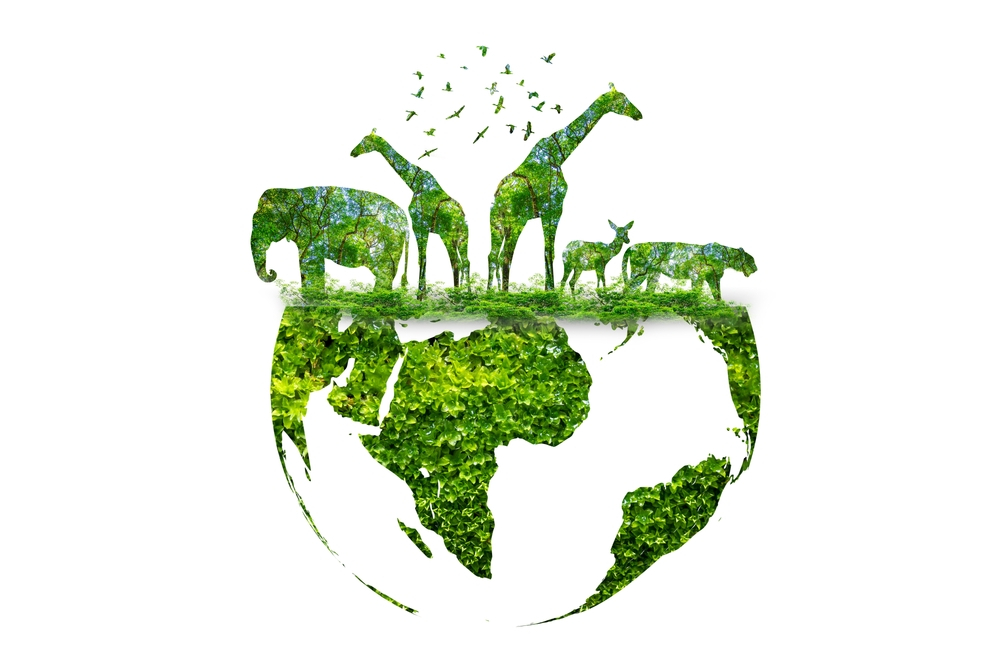
15 most pressing issues for conservation, including invertebrate decline and changing marine ecosystems

In the ever-evolving tapestry of ecological intricacies, the Cambridge Conservation Initiative has been a vanguard, leading the charge in deciphering the multifaceted challenges that confront our planet’s biodiversity. For over a decade, the annual horizon scan has served as a guiding light, illuminating the path ahead by predicting the imminent threats, transformative changes, and groundbreaking technologies that will wield the most significant impact on biological conservation. The latest edition, the 15th horizon scan, witnessed the convergence of a diverse assembly of 31 scientists, practitioners, and policymakers. Their collaborative efforts culminated in a comprehensive list of 96 issues, a rich mosaic of ecological concerns spanning sustainable energy, declining invertebrate populations, and the metamorphosis of marine ecosystems.

Harnessing Artificial Intelligence for Environmental Conservation: A Path to Sustainable Living

AI’s integration into environmental monitoring via sensors, drones, and satellite imagery marks a revolutionary leap in conservation efforts. These technologies track deforestation, monitor wildlife, and assess ecosystem health. Rapid data analysis empowers precise interventions, guiding conservationists in safeguarding our planet’s delicate balance with informed decisions.

Sustainable Agriculture Innovations: Addressing Food Security Challenges

Global food security, affecting millions, hinges on access to sufficient, safe, and nutritious food. Sustainable agriculture emerges as a vital strategy, aiming to balance food production with resource preservation and socio-economic well-being. Innovative sustainable agriculture practices hold promise in addressing these challenges across four crucial dimensions.

Green Cities of Tomorrow: Innovations in Urban Sustainability

In the tapestry of urban evolution, the Green Cities of Tomorrow are emerging, driven by innovations in energy, architecture, and waste management. This sustainable vision demands collective commitment, from smart grids to vertical gardens, fostering a future where cities harmonize with nature, promoting biodiversity, and embracing a greener ethos for all.

Ancient DNA Unveiled: 2.4 Million-Year-Old Genetic Discovery in Greenland

In a monumental breakthrough, Danish scientists have revealed the discovery of the oldest DNA ever recovered, dating back approximately 2.4 million years. This groundbreaking revelation, published in Nature on December 7, surpasses the age of the previously oldest DNA found in a Siberian mammoth bone. The recovery of ancient DNA fragments from an ice sheet in northern Greenland not only opens a window into the distant past but also challenges existing paradigms about prehistoric ecosystems.

Can We Save Every Species from Extinction? The 50-Year Challenge of the Endangered Species Act

In the Shadow of the Bald Eagle: Reflecting on 50 years of the Endangered Species Act’s impact on wildlife conservation.

Quest for the Snail Darter: Joining researchers on a journey to find the once-endangered Snail Darter and examining its role in shaping environmental policies.

Triumphs and Controversies: Exploring the surprising resilience of the Snail Darter and the controversies that surrounded its conservation journey.

Free Worldwide shipping

On orders dispatched and delivered within the same country.

Easy 30 days returns

30 days money back guarantee

International Warranty

Offered in the country of usage

100% Secure Checkout

PayPal / MasterCard / Visa