In today’s rapidly advancing technological landscape, AI-powered personal assistants have become an integral part of our daily routines. Whether it’s Siri helping us set reminders, Alexa controlling our smart home devices, or Google Assistant providing instant answers, these digital aides are transforming how we live and work. AI-powered personal assistants utilize artificial intelligence, machine learning, and natural language processing to understand and respond to user commands, making our lives more efficient and connected.
Category: AI

Artificial Intelligence in Healthcare: Benefits, Challenges, and Future Prospects
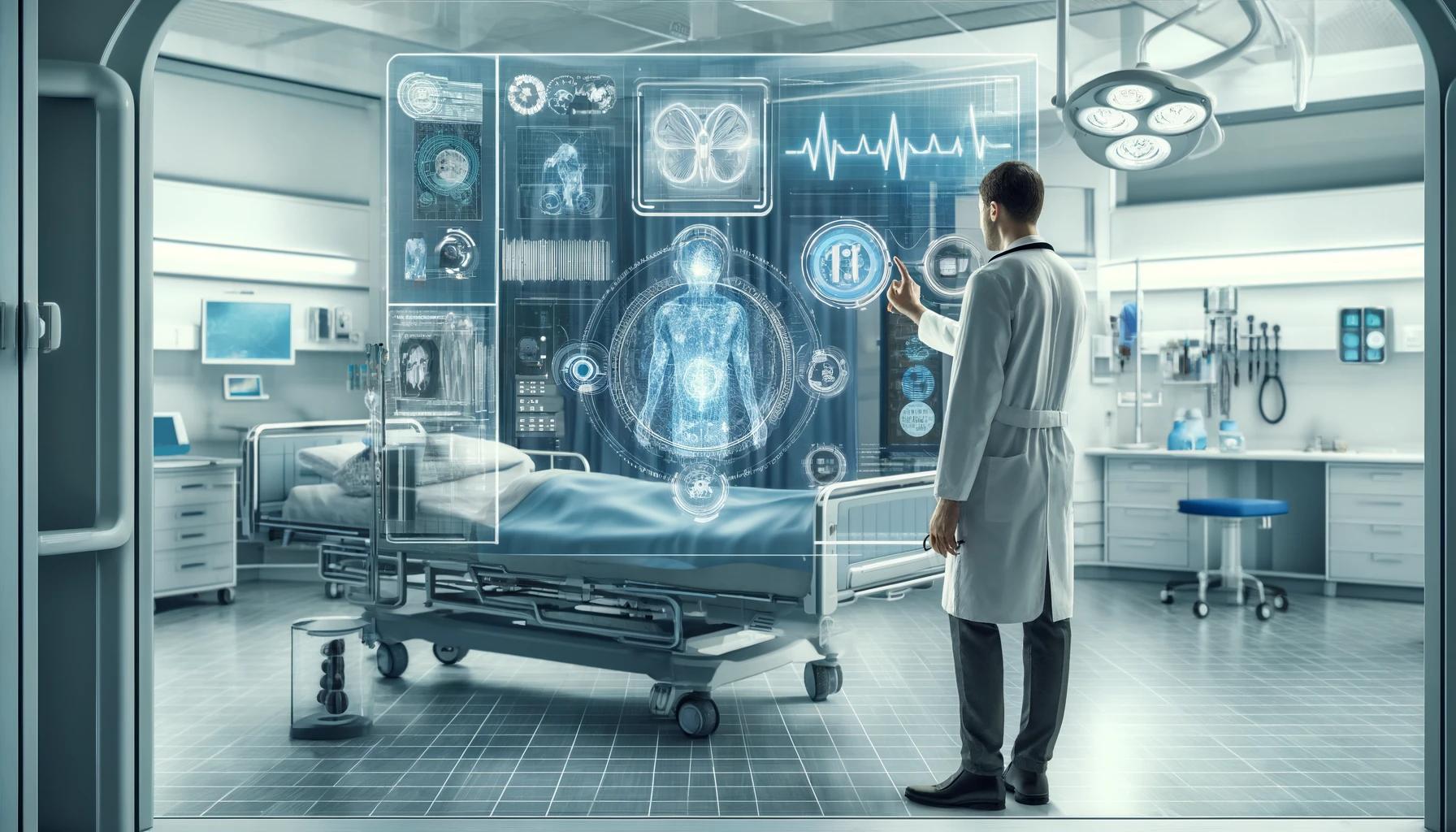
Artificial Intelligence (AI) is revolutionizing numerous industries, and healthcare is at the forefront of this transformation. With its ability to analyze vast amounts of data quickly and accurately, AI is enhancing the capabilities of medical professionals and improving patient care. From early disease detection to personalized treatment plans, AI is poised to redefine the landscape of healthcare.As AI continues to evolve and integrate more seamlessly into the healthcare system, we can expect to see even greater advancements in patient outcomes and medical practices. With the potential to revolutionize how medical decisions are made and treatments are administered, AI is paving the way for a more efficient, effective, and patient-centered healthcare system.

Smart Learning: How Artificial Intelligence is Shaping Distance Education
The integration of AI in distance learning is not just a trend but a fundamental shift in how education is delivered and experienced. By embracing these technologies, we can create a more flexible, engaging, and effective learning environment that meets the needs of diverse learners around the world. As educators, students, and policymakers navigate this evolving landscape, staying informed and adaptable will be key to harnessing the full potential of AI in education.

The Evolution of Cloud Computing: What’s Next?
Cloud computing has revolutionized the way businesses and individuals access and manage data, applications, and resources. By leveraging remote servers and internet-based services, cloud computing offers unparalleled flexibility, scalability, and efficiency. Over the past two decades, the adoption of cloud computing has transformed industries, enabled innovation, and driven economic growth. This article explores the evolution of cloud computing, from its early beginnings to current trends and future predictions. We will delve into the origins of cloud computing, its rise to prominence, and the latest developments shaping the industry.

Chatbot vs. Surgeon: The Role of AI in Modern Healthcare
As AI chatbots and technologies become more integrated into surgery, the future of healthcare looks promising. Combining the precision and efficiency of AI with the expertise and compassion of human surgeons offers unprecedented advancements in patient care. This collaboration enhances every stage of the surgical process, from preoperative planning to postoperative recovery, ensuring better outcomes and more personalized care. Addressing ethical and regulatory challenges is crucial for maintaining patient trust and safety. Embracing continuous innovation, AI and surgeons together can revolutionize healthcare, delivering more effective, compassionate, and patient-centered care.

Enhancing Medical Image Detection with AI: Innovations and Ethical Considerations
AI-assisted medical image detection is transforming healthcare by improving diagnostic accuracy and speed. This innovative technology has the potential to revolutionize medical imaging, enabling doctors to diagnose and treat medical conditions more effectively. AI algorithms can detect even the smallest abnormalities, which may be missed by human radiologists. Moreover, AI-assisted medical image detection can prioritize cases, reduce the workload of radiologists, and improve patient outcomes. However, ethical considerations must be addressed, including data privacy, bias, and patient autonomy. By harnessing the potential of AI-assisted medical image detection, we can create a more efficient, effective, and compassionate healthcare system. This technology has the power to transform healthcare, and it’s crucial that we prioritize patient care, ethical considerations, and technological innovation to ensure its responsible development and implementation.