The digital landscape continues to transform at a rapid pace, and businesses of all sizes need to stay adaptable to thrive.


The digital landscape continues to transform at a rapid pace, and businesses of all sizes need to stay adaptable to thrive.

The specter of climate change looms large, demanding bold solutions. While reducing emissions remains paramount, removing existing carbon dioxide from the atmosphere is also crucial.

Predicting changes in ecosystems can be challenging, often relying on educated guesses. But what if we could listen for clues? Researchers have discovered a surprising way to monitor ecological health: by analyzing the soundscape of an ecosystem.
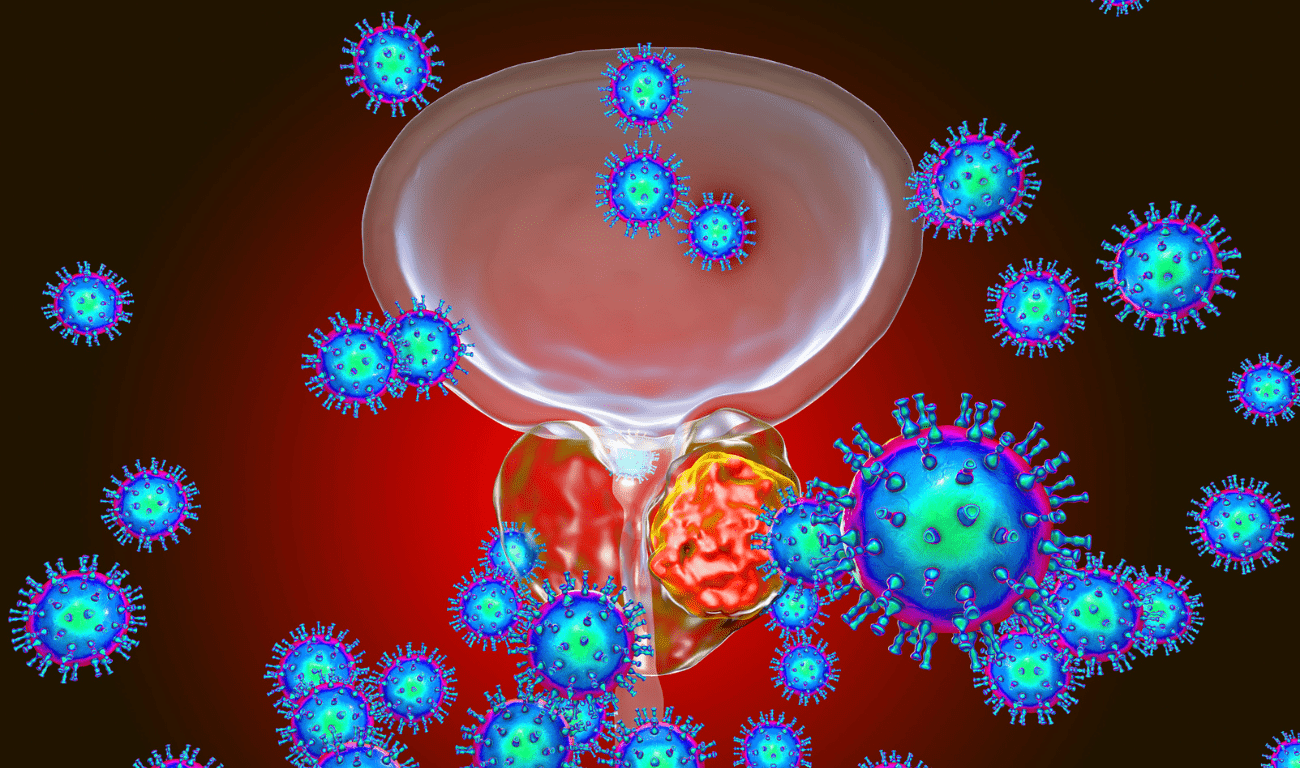
Discover how Artificial Intelligence (AI) is revolutionizing the field of oncology, transforming cancer detection, diagnosis, and treatment. From enhancing early detection with AI-driven diagnostic tools to developing personalized treatment plans based on individual genetic profiles, AI is paving the way for innovative breakthroughs in cancer care. Despite the promising advancements, the integration of AI in oncology presents challenges and ethical considerations that require careful navigation. Learn about the potential breakthroughs, trends, and the importance of balancing technology with the human touch in cancer care. Explore the transformative impact of AI on oncology and the future of personalized cancer treatment.

Discover how ChatGPT and generative AI are revolutionizing scientific research, from accelerating data analysis and interpretation to enabling personalized healthcare and fostering collaborative research. Explore the transformative impact, advantages, and challenges of integrating AI into science and uncover the promising future of research with AI-driven innovation.

A groundbreaking study published in Nature Chemistry by researchers at UNC-Chapel Hill, led by Dr. Ronit Freeman, has achieved a significant feat: the creation of artificial cells that exhibit behaviors similar to living cells.